
More articles about: chronic pain

Health Lab
Psychoactive substances and adverse side effects for patients with multiple sclerosis
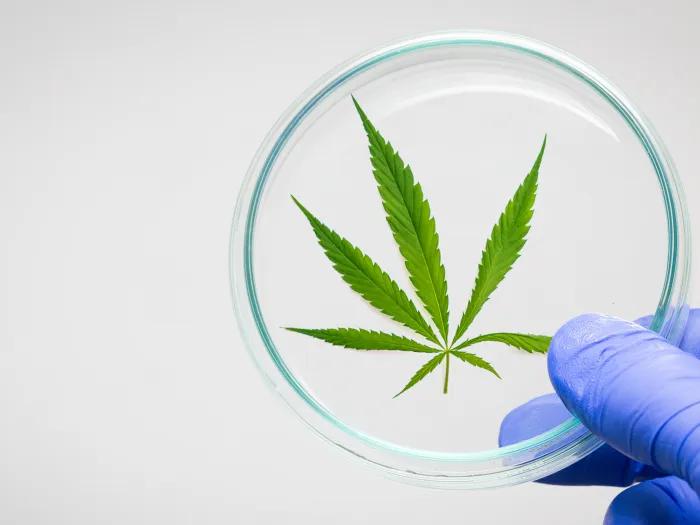
Psychoactive substances can give immediate relief to people living with multiple sclerosis, but some come with adverse side effects. Research led by University of Michigan Health looks at the positive and negative impacts of using psychoactive substances to manage symptoms.
Health Lab
What does cannabis 'rescheduling' mean for science and society?
Medical cannabis (marijuana) has been rescheduled on the federal level, which could open the door for much more research than was possible before. Four Michigan Medicine experts comment.

Health Lab
For scleroderma research, patients seen as essential co-creators
As scleroderma research moves forward, involving patients with scleroderma in clinical trials can give researchers insight into what is most important for patients living with the condition.

Health Lab
Managing cirrhosis pain without drugs
Michigan Medicine hepatologists are preparing a year-long study looking at the techniques cirrhosis patients can use at home to relieve chronic pain without medication.
Health Lab
Cerebral palsy medications given to adults may not match needs
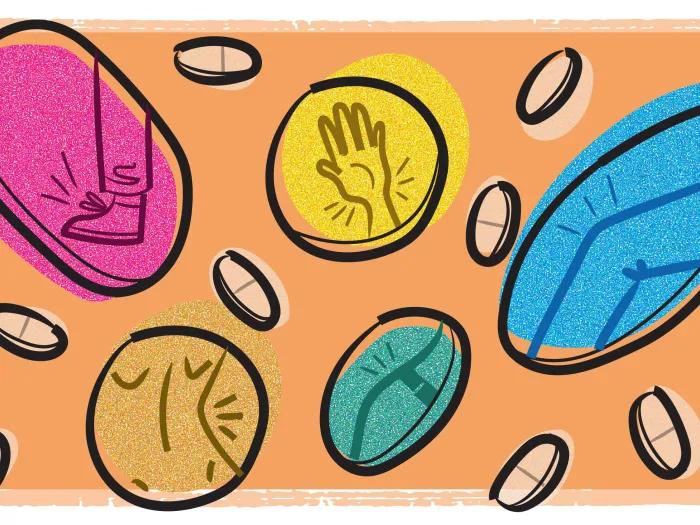
Prescribing medications that treat the most obvious parts of adult cerebral palsy pain and symptoms without examining for the underlying cause is a common experience for adults with cerebral palsy. This means that proper treatment is being overlooked and these medications can cause further complications later in life.
The Fundamentals
Researching Psychedelics for Potential Therapeutic Use
Recently, interest in psychedelic research has seen a resurgence, strengthened by better designed and controlled clinical trials and the use of neuroimaging, examining psychedelics' potential therapeutic use for PTSD, addiction, anxiety, and depression. On today’s episode, we talk with Dr. George Mashour, professor of anesthesiology and pharmacology and founder of the Michigan Psychedelic Center about using rigorous scientific methods to unlock the mysteries of psychedelics and investigate their potential as therapeutics.

Health Lab Podcast
The “chemical nudges” approach to chronic pain
In this episode, you will get to hear Dr. Boehnke, in his own words, talk about his experiences, and the “chemical nudges” approach to chronic pain; reframing the role of medications in chronic pain management, and why solely relying on pain relievers “disempowers patients, clinicians and the drugs themselves.”

Health Lab
Reframing the role of medications in chronic pain management
An expert on pain management discusses why relying on medications to ease discomfort can easily backfire, and how people can avoid complete reliance on these types of drugs.
Medicine at Michigan
Helping patients with chronic pain, fibromyalgia, and long COVID
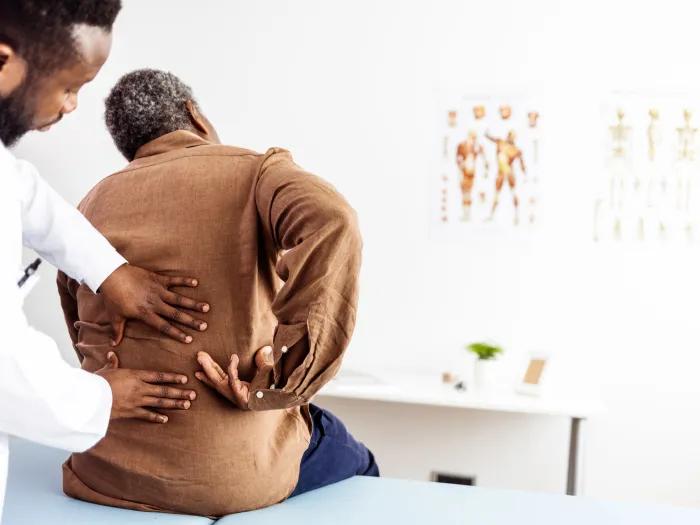
The director of U-M's Chronic Pain and Fatigue Research Center discusses misconceptions and treatments of fibromyalgia and chronic pain and how physicians can best help patients living with these conditions.

Health Lab
Better understanding cerebral palsy pain types could lead to better treatment
Research finds that adults living with cerebral palsy had a very high occurrence of pain, with 90% having a pain history and 74% having multiple diagnoses of pain coming from different origins such as the lower back, irritable bowels, joint arthritis and chronic headaches.

Health Lab
Primary care physicians are hesitant to accept chronic pain patients using opioids or cannabis
Michigan Medicine research finds that patients with chronic pain who use either substance may find it harder to find primary care physician than those who don’t.
Health Lab Podcast
Presenting: The Fundamentals
Today on Health Lab, we are sharing an episode of The Fundamentals, another podcast from the Michigan Medicine Podcast Network that just launched its second season earlier this month.
On this episode of The Fundamentals: "Cannabis and psychedelics: stigmatized substances or powerful therapeutics?" Dr. Kevin Boehnke talks about cannabis, psychedelics, and the increasing body of evidence for their legitimization as therapeutics.
The Fundamentals
Cannabis and psychedelics: stigmatized substances or powerful therapeutics?
Today on The Fundamentals is Dr. Kevin Boehnke, research assistant professor in the Department of Anesthesiology and the Chronic Pain and Fatigue Research Center. His current research focuses on therapeutic applications of cannabis and psychedelics. His goal is to rigorously assess appropriate use of these substances and to help address the public health harms caused by their criminalization.
The Fundamentals
Addiction is a lifelong disease and not a moral failing
On today’s The Fundamentals is Dr. Brummett, Professor at the University of Michigan where he serves as the Senior Associate Chair for Research in the Department of Anesthesiology. He has more than 280 publications, including articles in top journals such as JAMA, JAMA Surgery, Anesthesiology, and Annals of Surgery. He is the Co-Director of the Opioid Prescribing Engagement Network or OPEN at the University of Michigan, which aims to apply a preventative approach to the opioid epidemic in the US through appropriate prescribing after surgery, dentistry and emergency medicine. Moreover, he is the Co-Director of the cross-campus Opioid Research Institute, which was launched in the spring of 2023. He leads multiple NIH grants studying these concepts and receives funding from the Michigan Department of Health and Human Services, SAMHSA, CDC, and multiple foundations.
You can learn more about Dr. Brummett here, and you can follow Dr. Brummett @drchadb and the department of anesthesiology @UMichAnesthesia on X.
Health Lab Podcast
Study Shows Medical Marijuana Use Decreased in States with Legalized Recreational Use
The number of patients using cannabis for medical purposes has increased more than 600 percent since 2016.
