
More articles about: Lab Report

Health Lab
Why Are the Elderly More Likely to Catch Flu? Mouse Study Investigates
The elderly are more susceptible to viral lung infections. New research shows an immune cell in the lungs may help explain why.

Health Lab
Poor Pregnancy Sleep Quality Linked to Untreated RLS
A U-M study reveals sleep problems during pregnancy may be caused by untreated restless leg syndrome (RLS), a condition affecting one-third of pregnant women.
Health Lab
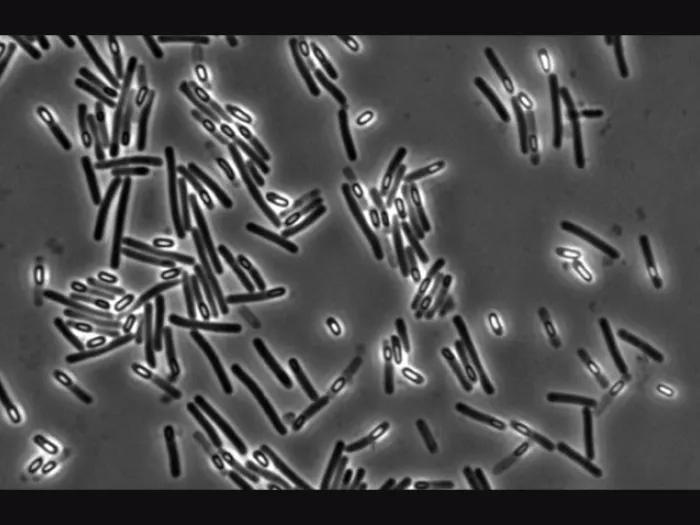
Study: Calcium Levels Could Be Key to Contracting — and Stopping — C. Diff
Clostridium difficile infection and prevention could be linked to excess gut calcium in awakening and prevention, according to new information on c. diff.
Health Lab
‘The Search for Exact Truths’: How Microbiologist Frederick Novy Changed the Field
A Michigan pioneer paved the way for better infectious disease prevention and care, and for medical school-based research. A new book tells his story.
Health Lab
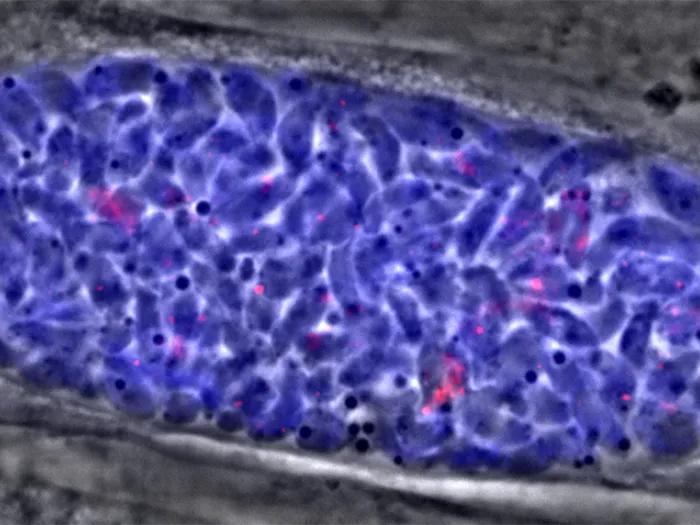
How to Stop the Lurking Toxoplasmosis Parasite? Target Its ‘Stomach’
The stubborn cyst form of a common parasite can’t cause disease without a key digestion factor, new mouse research shows. This suggests an avenue for future treatments.

Health Lab
A SMARTer Way to Discover New Stroke Treatments
Researchers examined if a particular trial type could be successfully applied to stroke patients — and whether this approach may accelerate discovery of new treatments.

Health Lab
Risk, Benefit or Cost: What Stops Patients from Receiving a Diagnostic Test?
Michigan Medicine researchers sought to determine how much certain factors affect a patient’s decision to have elective diagnostic tests in the emergency department.

Health Lab
‘Very High Risk’ of Blood Clots in Ovarian Cancer Patients Who Have Chemo Before Surgery
A new study sheds light on the risk of blood clots at all stages of ovarian cancer and the potential need for preventive blood thinners during pre-surgery chemotherapy.
Health Lab
DIPG Disruptors: 6 New Brain Tumor Research Efforts Underway
How a new research initiative is empowering U-M physician-scientists to fight DIPG, one of the deadliest brain cancers, in innovative ways.

Health Lab
Study: Ketamine Doesn’t Affect Delirium or Pain After Surgery
Ketamine is used increasingly during surgery to reduce pain during recovery. A recent study questioned the efficacy of this common practice.

Health Lab
Can Parents’ Tech Obsessions Contribute to a Child’s Bad Behavior?
Learn more about a new study that examines the association between digital technology interruptions to parent-child time and greater child behavior problems.
Health Lab
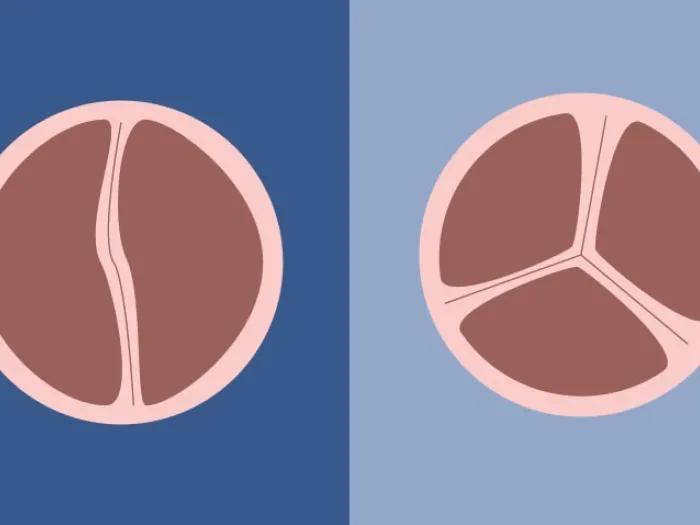
Study Implicates Two Genetic Variants in Bicuspid Aortic Valve Development
Researchers report a key protein is affected during heart valve formation, in the first genomewide study of bicuspid aortic valve.
Health Lab
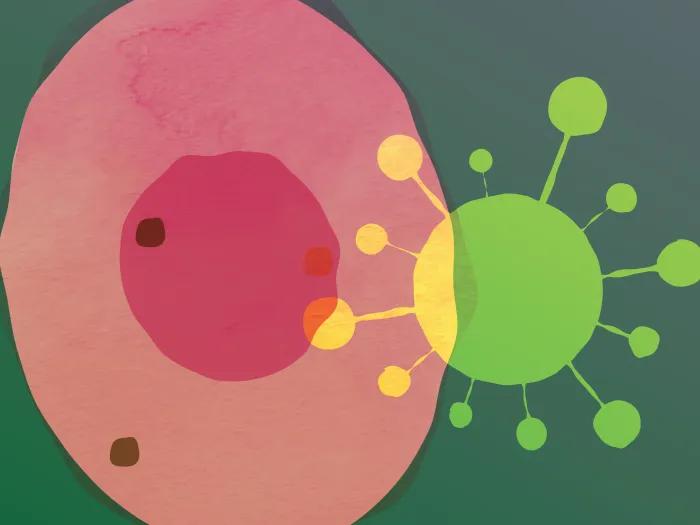
Revealed: How a Virus Tricks Cells into Helping It Build an Invasion Route
Polyomavirus harnesses cellular “motors” to bring together the supplies that can build a portal for itself, researchers show.
Health Lab
Largest Psoriasis Meta-Analysis to Date Yields New Genetic Clues
Learn more about the most recent study from U-M’s long-standing psoriasis work, a new study that builds on the genetic architecture of psoriasis, the next step toward answering what in the genes causes the disease.

Health Lab
A Fish in a Pond or a Needle in a Haystack? DNA Tool Raises Promise, Privacy Concerns
For the first time, researchers connected two different types of DNA snippets to identify individuals. This could help researchers across many fields — but isn’t without risk.
