
More articles about: Lab Report
Health Lab
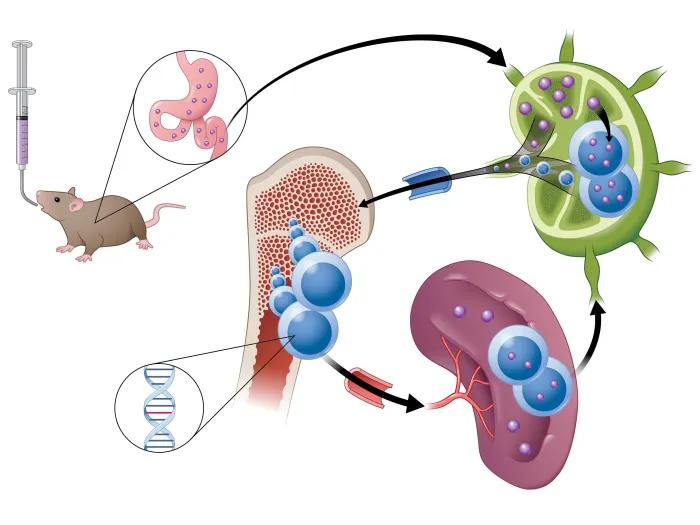
New drug candidate uses novel absorption method to target cancer cells in mice
By using the lymphatic system as a storage reservoir, researchers found they could optimize drug concentrations to simultaneously target two molecular signaling pathways responsible for cancer growth.
Health Lab
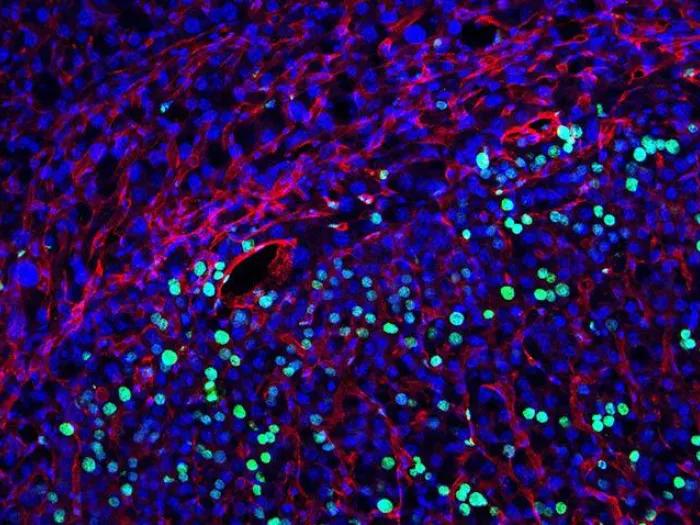
Researchers identify a hormone from fat cells that reprogram the liver microenvironment and restrain tumor growth in mice
Molecular changes in nonalcoholic fatty liver disease could serve as potential therapeutic targets to halt the cells’ progression to liver cancer.

Health Lab
Patient deterioration predictor could surpass limits of traditional vital signs
The technology developed at the University of Michigan continuously uses data from a single electrocardiogram.
Health Lab
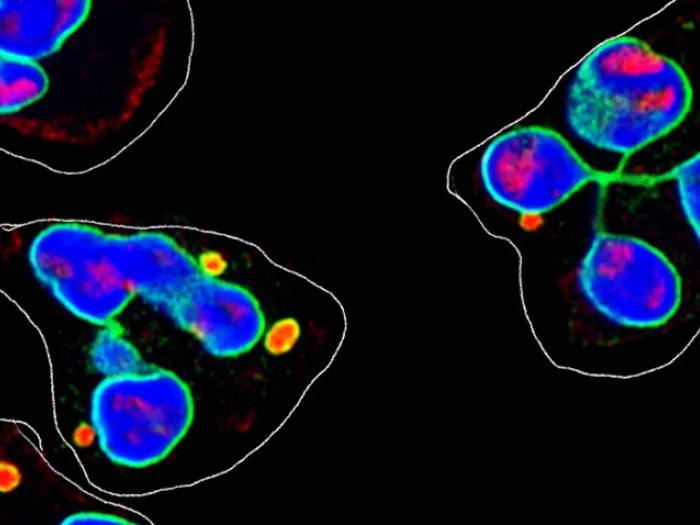
The unique origin of a neutrophil’s chemical messaging system
The call is coming from inside the cell!

Health Lab
The smell of food blocks life extending effect of a restricted diet. These drugs may unblock it
A study in worms provides new clues about the role of serotonin and dopamine in aging.
Health Lab
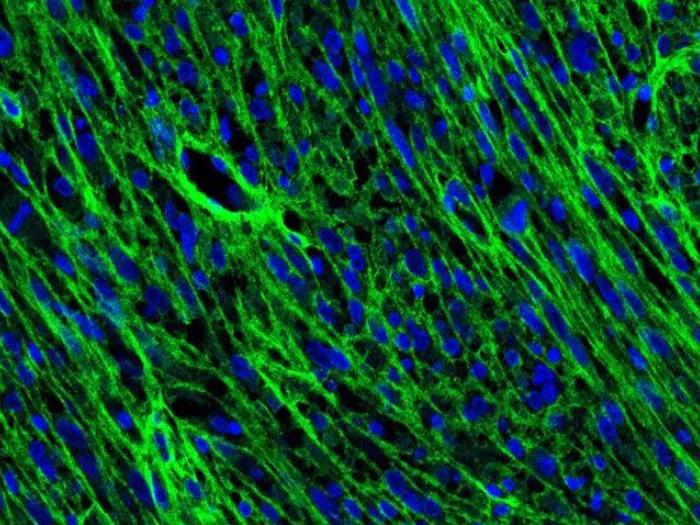
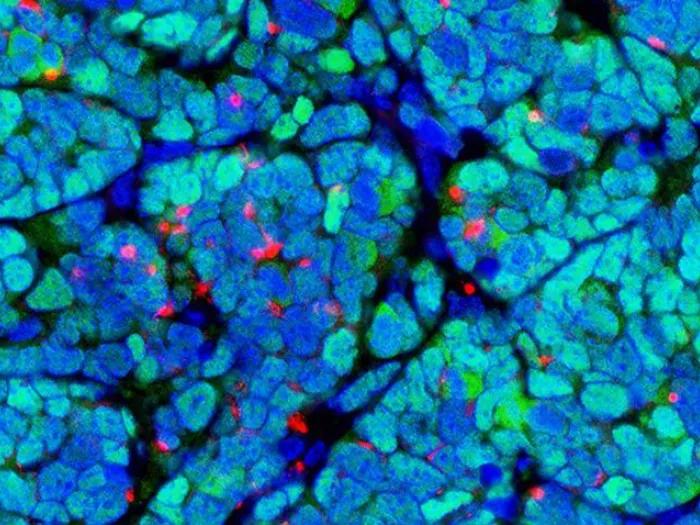
Dynamic cells linked to brain tumor growth and recurrence
In mice, researchers have discovered the presence of oncostreams, highly active cells connected to how brain tumors grow and invade healthy tissue.
Health Lab
Viral proteins key to tumor model in mice
Researchers have figured out how to create a mouse model of a rare but fatal skin cancer, a scientific discovery 10 years in the making.
Health Lab
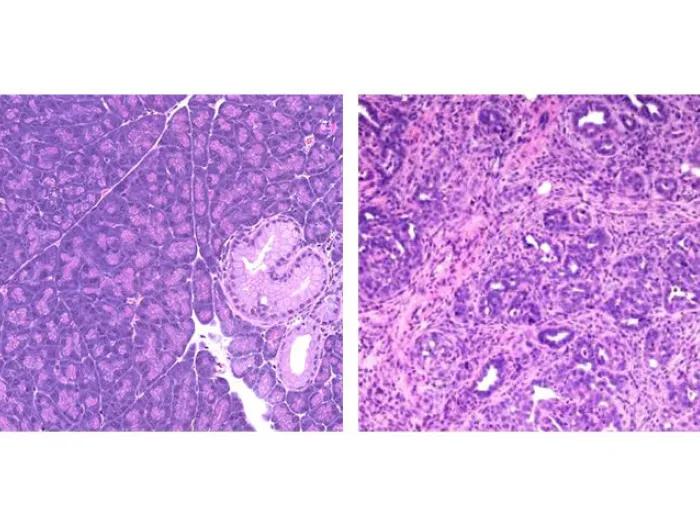
High fat diet, unregulated athletic exercise endurance enhancers linked to risk of pancreatic cancer
A study suggests substances touted to improve athletic performance can activate a receptor that accelerates the progression of pre-cancerous lesions to pancreatic cancer in mice.
Health Lab
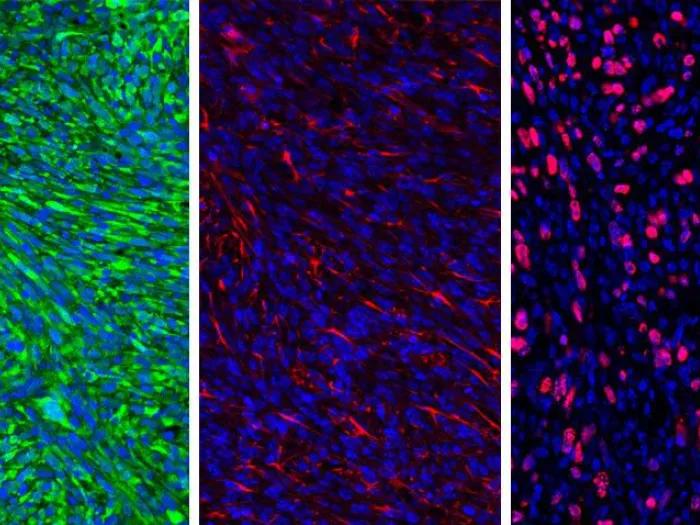
Outsmarting brain cancer
The approach, studied in mice, overcomes the blood brain barrier and breaks the shield tumors build against the immune response.
Health Lab
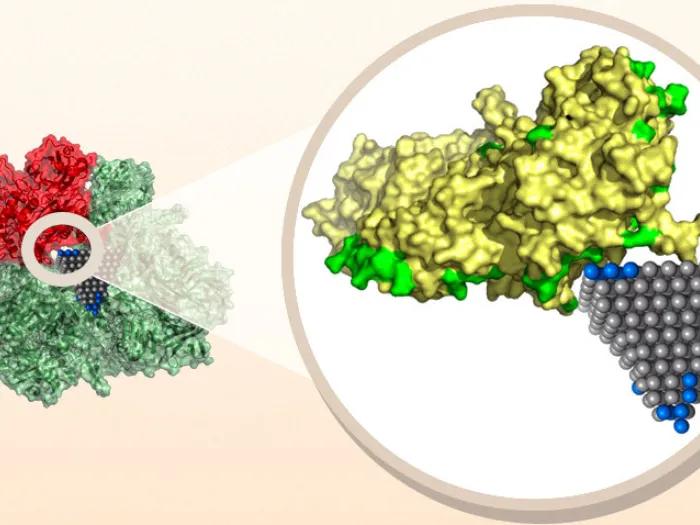
Nanobiotics: Model predicts how nanoparticles interact with proteins
Nanoengineered drugs that stop harmful bacteria and viruses could be on the horizon.

Health Lab
The why of the silent X
Two recent University of Michigan studies published in Nature Communications reveal key findings crucial to understanding X-inactivation and X-linked gene expression in embryonic stem cells, and further implications for stem cell therapies.
Health Lab
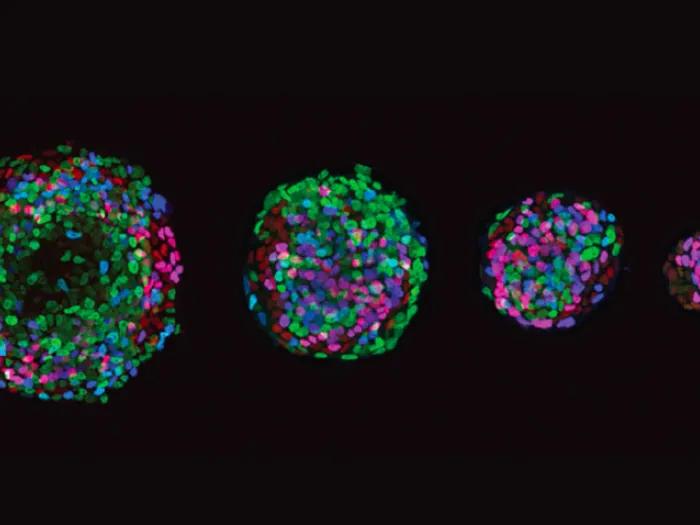
Studying human development in a dish
A new technique could provide powerful insights into early cell differentiation.
Health Lab
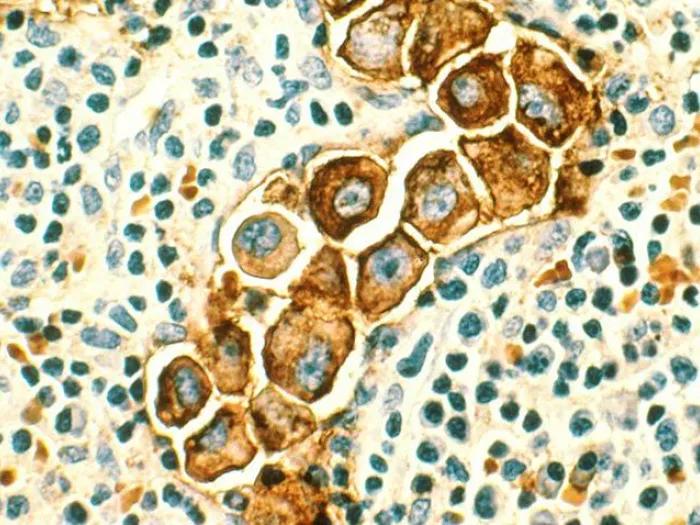
Study finds nanomedicine targeting lymph nodes key to triple negative breast cancer treatment
In mice, nanomedicine can remodel the immune microenvironment in lymph node and tumor tissue for long-term remission and lung tumor elimination in this form of metastasized breast cancer.

Health Lab
Big ideas require big money
How research is financed—or not—plays an outsized role in scientific discovery

Health Lab
Can coordinated care help patients with high-risk IBD?
A team looks at how a more intentional approach to care can benefit individuals with the gastroenterological condition.
