
More articles about: Lab Report
Health Lab
Two Ways to Reduce Blood Thinner Risks That Lead to GI Bleeding
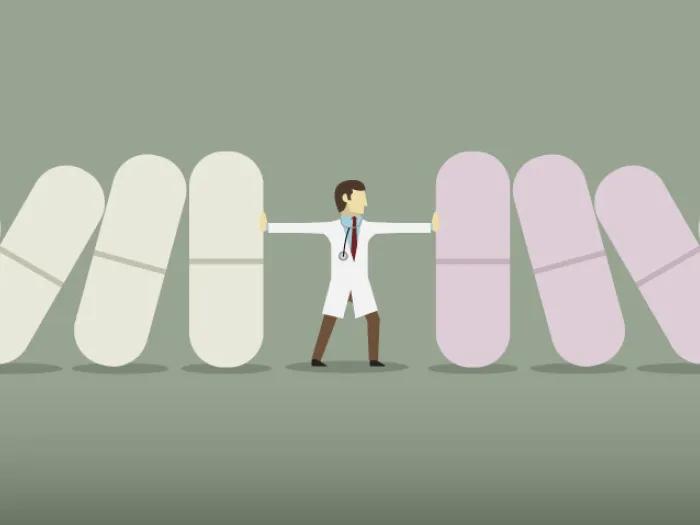
A new paper identifies strategies that providers might use to help their patients better balance the risks and benefits of anticoagulants.

Health Lab
Moderate Alcohol Intake Associated with Less Chronic Pain, Depression
People with chronic pain or fibromyalgia who engage in low-risk drinking habits report fewer symptoms and improved function than teetotalers.

Health Lab
More Than One-Third of Patients Risk Major Bleeding By Doubling Up on Blood Thinners
A new study finds patients were taking too many antithrombotics for no reason, leading to a significant increase in bleeding events.
Health Lab
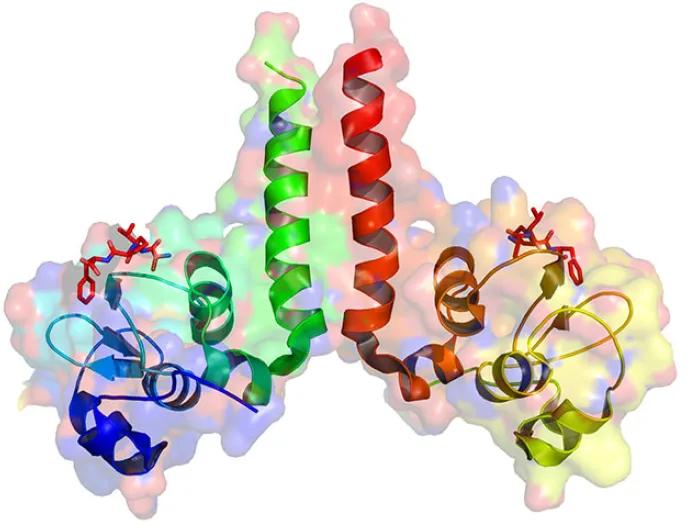
Designing New Proteins Could Lead to Cancer Treatment
U-M researchers lead the field in successful protein creation, a tactic that could lead to a newer, more effective class of drugs.
Health Lab
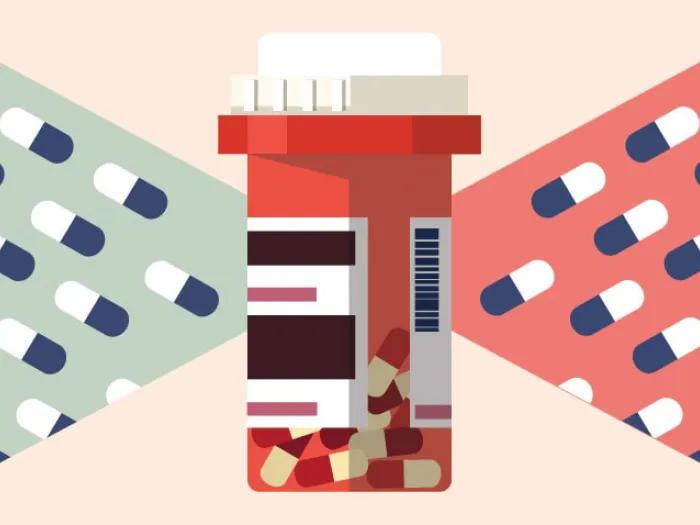
Opioid Use in the Family May Influence Adolescents’ Opioid Risk After Surgery
Study: Long-term Opioid use by one or more family members was associated to persistent opioid use by adolescents prescribed opioids after common surgical and dental procedures.

Health Lab
Early Pesticide Exposure Contributes to Faster ALS Progression
A new study helps determine the role of pesticides and pollutants during the course of the progressive neurodegenerative disease that has no cure.
Health Lab
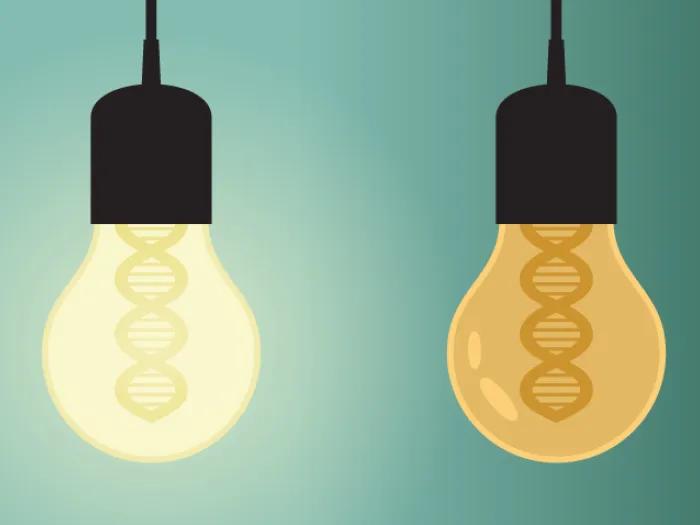
Study Sheds More Light on Genes’ ‘On/Off’ Switches
Regulation of genes by noncoding DNA might help explain the complex interplay between our environment and genetic expression.

Health Lab
Inhibiting Cancer-Causing Protein Could Prevent Scleroderma Fibrosis
Examining the autoimmune disease at the molecular level led researchers to a specific molecule that could be contributing to the disease progression in patients.

Health Lab
Osteogenesis Imperfecta Poses Vision Risks Too
One of the lesser-known consequences of osteogenesis imperfecta – brittle bone disease – is an increased risk of eye diseases like glaucoma. Patients of all ages should receive annual ophthalmic screenings.
Health Lab
Predicting Pain in Kids after Spine Fusion
Many pediatric patients with idiopathic scoliosis report persistent pain after spine fusion surgery. New research indicates pre-operative assessment of pain vulnerability could help predict a child’s post-operative pain.
Health Lab
Tackling Tumors That Always Come Back: New Brain Cancer Research Could Improve Outcomes
A genetic mutation makes a glioma subtype resistant to radiation, but a new study finds a potential way around it using currently available drugs.
Health Lab
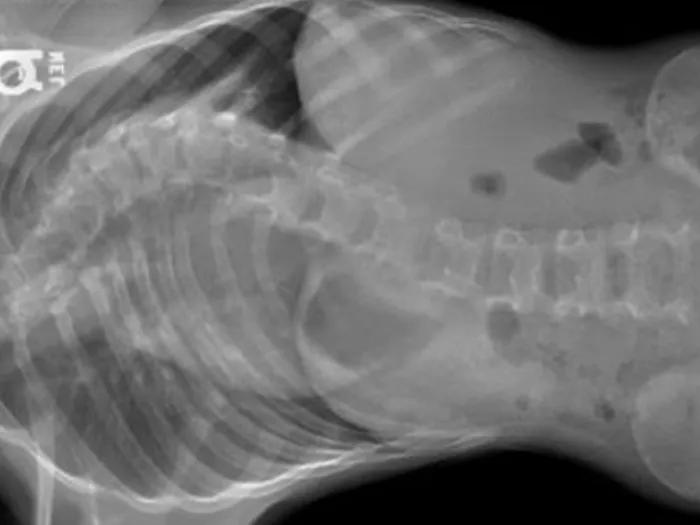
Searching for the Best Treatment for Early-Onset Scoliosis
Serial casting and surgically implanted growing rods are both effective treatments but new research aims to show if one supports a higher quality of life for patients and families.
Health Lab
Circular RNA Holds Promise as Cancer Biomarker
The stable structure of circRNA makes it an ideal candidate for biomarkers. In addition, this type of RNA can be detected in blood or urine, making it potentially useful for cancer diagnosis or prognosis.
Health Lab
Stem Cells Provide Greater Insight into Rotator Cuff Disease
New research explores stem cells in the rotator cuff in hopes of understanding why fatty accumulation happens at the tear site, instead of proper muscle healing.

Health Lab
What Drives Patients to Use Medical Marijuana: Mostly Chronic Pain
New study seeks to understand whether people are using cannabis for evidence-based reasons
