
More articles about: Lab Report

Health Lab
Are Digestive Issues a Symptom of COVID-19?
New studies out of Wuhan, China are showing that diarrhea can be an unrecognized, early symptom of COVID-19, sometimes presenting ahead of respiratory symptoms.
Health Lab
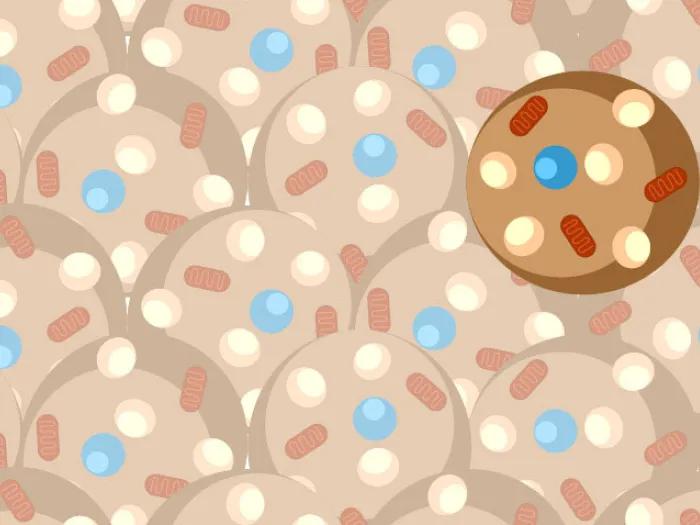
Unlocking the Secrets of Brown Fat
Two Michigan researchers make major inroads into the biology of brown fat and its implications for weight loss and obesity-related diseases

Health Lab
Study Finds Disease Causing Repeats Help Human Neurons Function
By focusing on the biology of healthy nerve cells, new research finds repeats in a gene, which causes Fragile X Syndrome, regulates how and when proteins are made in neurons.

Health Lab
How Quickly Does Coronavirus Spread?
Modeling emerging diseases like COVID-19 can be difficult and potentially inaccurate with traditional reporting methods alone. One U-M researcher has been using her expertise in forecasting epidemiological trends to collaborate with researchers in China t
Health Lab
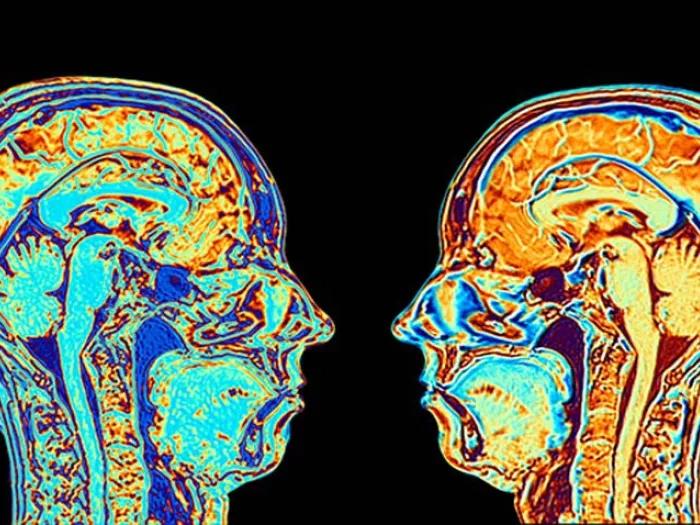
Study Reveals a Delicate Dance of Dynamic Changes in the Conscious Brain
To study consciousness, Michigan Medicine researchers use anesthesia in an attempt to gain a better understanding of moment-to-moment changes in the brain.

Health Lab
How Does COVID-19 Appear in the Lungs?
COVID-19 can clinically manifest similarly to other respiratory illnesses and can also appear similar on imaging scans. Two radiologists have teamed up and found imaging anomalies that can serve as an alert to radiologists that COVID-19 may be present in

Health Lab
New Therapy Stops Seizures in Mouse Model of Rare Childhood Epilepsy
Researchers have made a genetic breakthrough in mice that could lead to new, revolutionary treatment options for SCN8A-related encephalopathy seizure disorder in babies.

Health Lab
Can’t Resist Tempting Food? Scientists Explore Why
Animal-based neuroscience research on the parts of the brain involved in responding to food cues may inform understanding of human overeating and addiction

Health Lab
Heart Attack Patients with Mild Cognitive Impairment Get Fewer Treatments
Study suggests those with mild cognitive impairment don’t always receive the same medical treatment that patients with normal cognitive functioning get when they have a heart attack.

Health Lab
Anti-Leukemia Compound Induces Complete Remission in Mouse Models
Research behind a drug compound that causes complete remission of a leukemia subtype in mouse models has recently spurred a human clinical trial.
Health Lab
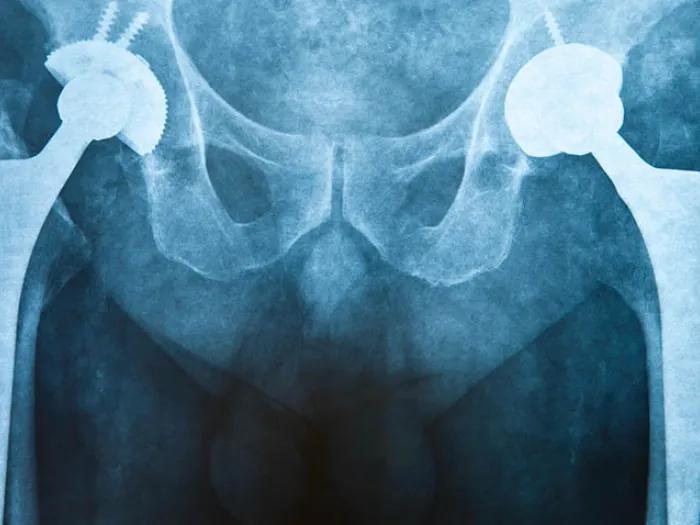
Abnormal Bone Formation After Trauma Explained and Reversed in Mice
Heterotopic ossification (HO) is a form of abnormal healing typified by bone forming within muscle or soft tissue as the body heals from injury or surgery. Historically, there has been no treatment for HO, but new research suggests that could change.
Health Lab
Turning the Tables on Glioblastoma
Glioblastoma is a deadly brain cancer with little treatment options available, but Michigan Medicine researchers are working in the lab to change that.
Health Lab
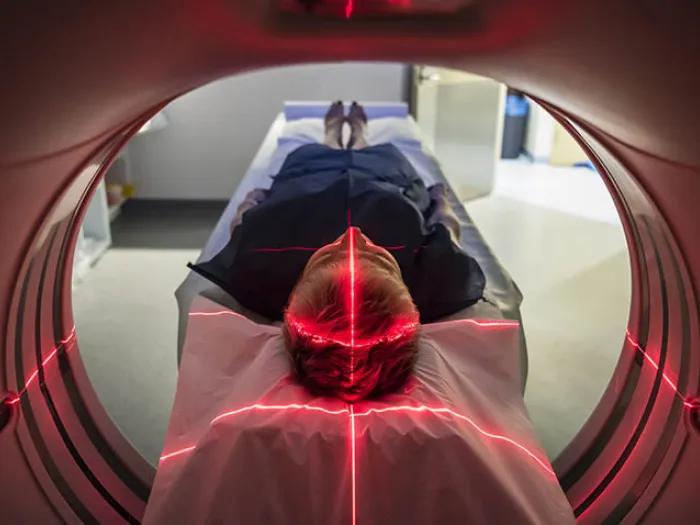
Are Group II GBCAs Safe for Patients with Chronic Kidney Disease?
Researchers at Michigan Medicine find that the per patient risk of using group II GBCA in patients with chronic kidney disease (CKD) appears to be less than 1%, though larger studies are still needed.

Health Lab
A New Drug Slows Aging in Mice. What About Us?
The director of U-M’s Center for Aging Research discusses their latest findings and research behind longevity.

Health Lab
Antiviral Compound Offers Hope Against Deadly Flu
A new study in mice finds an antiviral compound modeled after a banana protein is effective against several deadly viruses, including flu and coronaviruses.
