
More articles about: Geriatrics

Health Lab
New COVID-19 vaccine a good value for U.S., U-M team finds
A cost effectiveness analysis of the updated COVID-19 vaccine shows that it will save money in older adults and give good value for other adults.
Health Lab
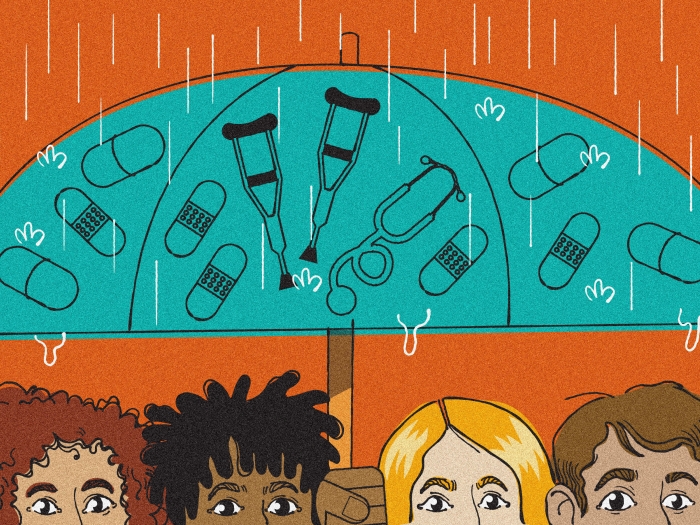
5 things to know about health insurance right now
Open enrollment season for Medicare, Healthcare.gov Obamacare plans, work-related insurance is here – and Medicaid enrollment renewal is due for many. How to get help.

Health Lab
Dementia’s financial and family impact
Dementia has far more impact on a person’s finances and their family members’ caregiving demands, compared with other health conditions in older adults, study suggests.
Health Lab
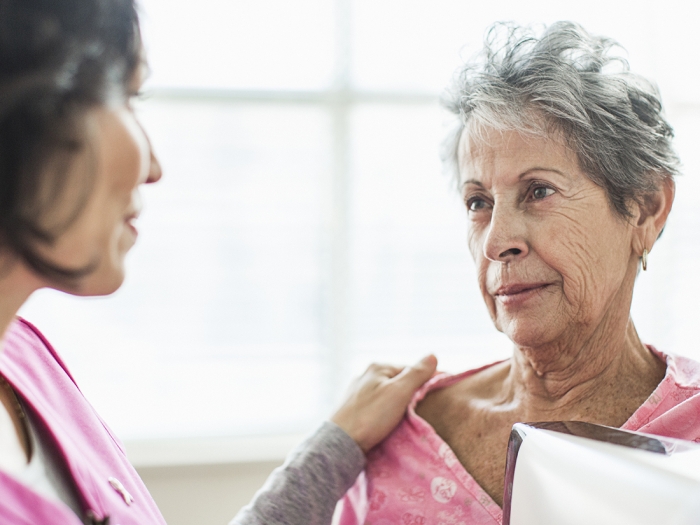
Should older adults, with fewer years to live, keep getting cancer screenings?
Cancer screening guidelines increasingly factor in how long a person has left to live, to guide whether to continue or stop screening. A new poll explores older adults’ attitudes toward this approach.
Health Lab
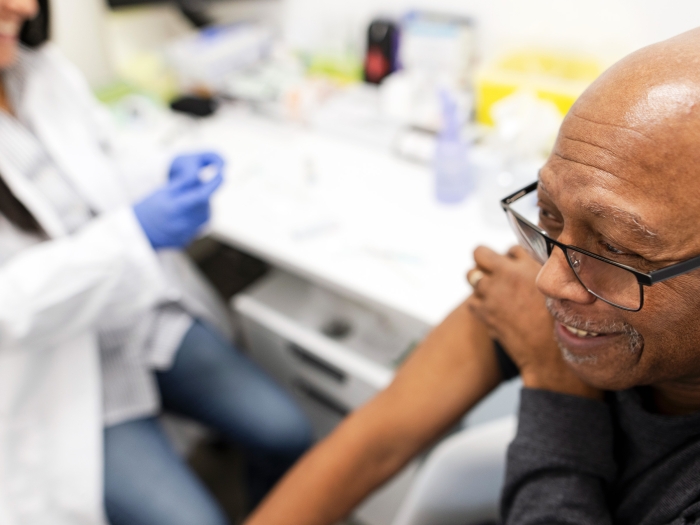
Many older adults want RSV vaccine, poll shows
RSV vaccines are now available to older adults for the first time; a poll gauges awareness and interest among those over 60.
Health Lab
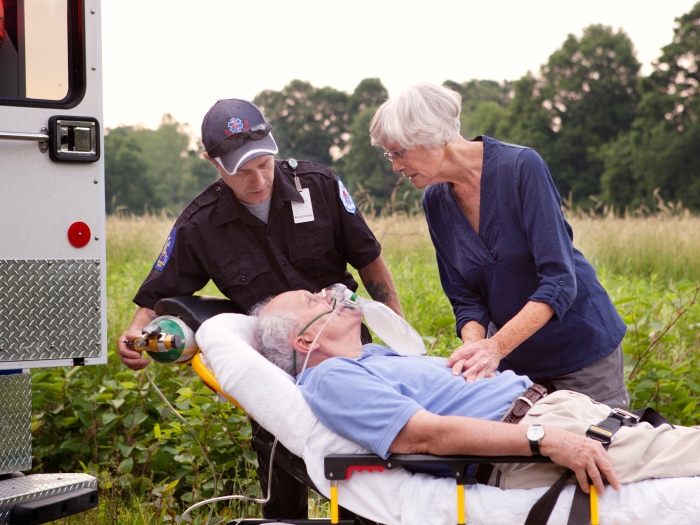
Dementia becomes an emergency 1.4 million times a year
People with Alzheimer’s and other forms of dementia account for a large percentage of emergency visits by older adults, but some of those crises could be prevented.

Health Lab
Early signs of Alzheimer’s: Most older adults see the value of screening but haven’t been tested
Screening for dementia, Alzheimer’s disease and cognitive impairment is something most older adults want for themselves or feel others their age should have access to.
Health Lab
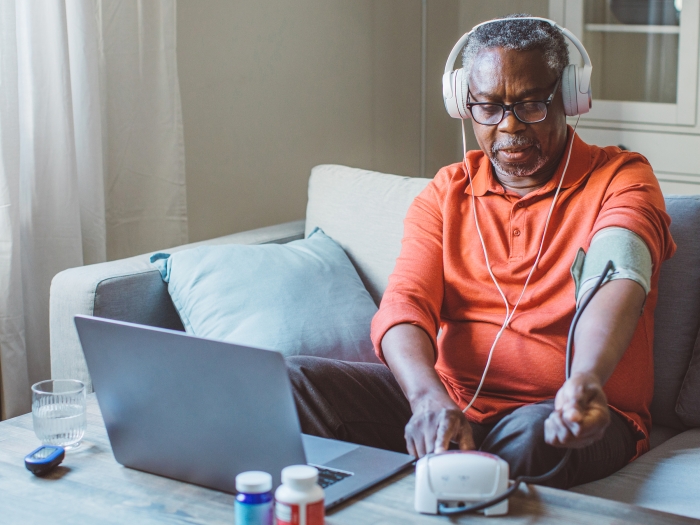
Michiganders now rely on telehealth for care. What’s next?
The rapid rise in telehealth and telemedicine use during the pandemic helped increase access to care for people in rural areas especially those with mental health provider shortages.

Health Lab
More older adults are using patient portals, but access and attitudes vary widely
Use and confidence are lower in those with lower incomes or lower levels of physical or mental health
Health Lab
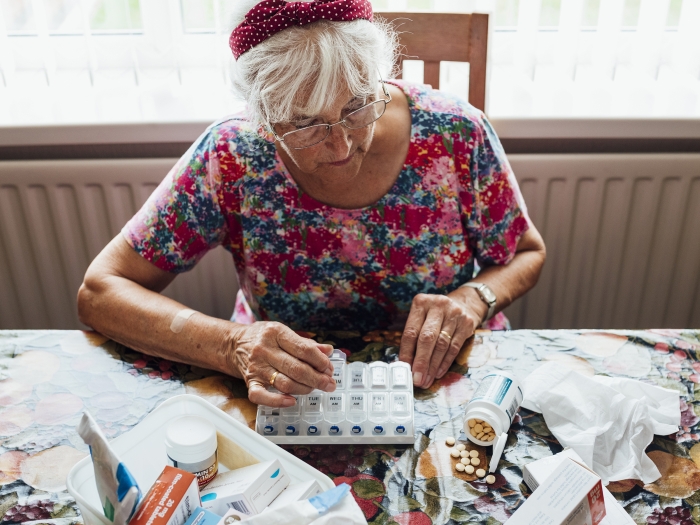
"Deprescribing" medicines for older adults: Patient-provider dialogue needed
Stopping or reducing doses of prescription medicine, also called deprescribing, is something many older adults would like to do, and some have already done without medical guidance. Medication reviews could help.

Health Lab
Medicaid ‘cliff’ adds to racial and ethnic disparities for low-income older adults
Black and Hispanic older adults whose annual income is slightly above the federal poverty level are more likely than their white peers to face cost-related barriers to accessing health care and filling medications for chronic conditions, research finds.
Health Lab
Loneliness is down, but still high, among older adults
Older adults are less likely to feel isolated now than at the height of the pandemic, but levels of loneliness are still high.

Health Lab
1 in 8 Americans over 50 show signs of food addiction
Highly processed foods can act on the brain in ways that spark cravings, emotional reactions and signs of addiction, and a new poll shows how many older adults experience this.
Health Lab
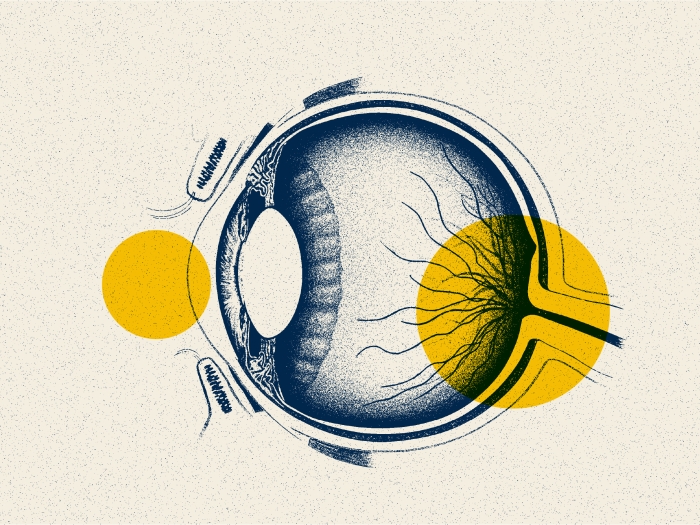
Many older adults lack clear eyesight, even with glasses
Vision impairment disproportionately impacts older adults
Health Lab
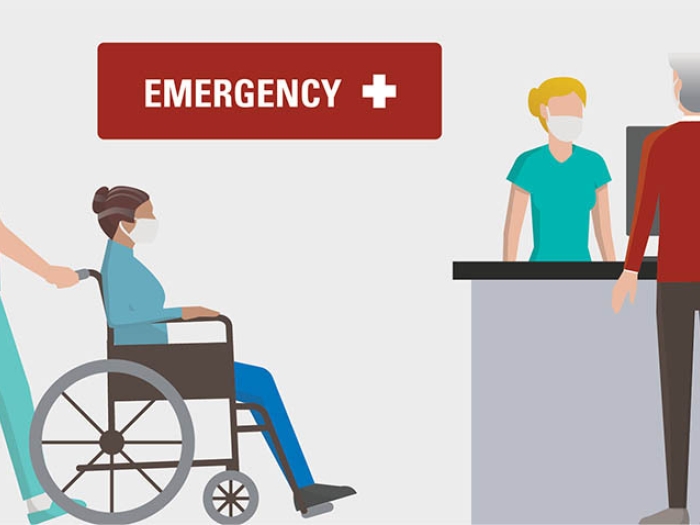
Cost concerns keep older adults from seeking emergency care
People in their pre-Medicare years, especially those uninsured or with low incomes, are most likely to skip a trip to the ER because of what they might have to pay.
