
More articles about: Geriatrics

Health Lab
Medicare pays for message-based e-visits. Are older adults using them?
Telehealth study of patient portal e-visits by Medicare participants shows few had an interaction for which their provider billed them.
Health Lab
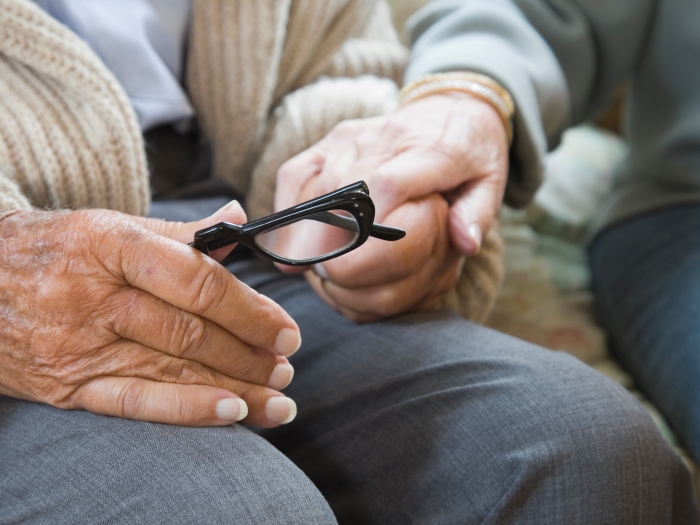
In sickness and in health, older couples mostly make Medicare moves together
A new study suggests the need for more efforts to help both members of a couple weigh and choose their Medicare options together, because most changes of plan occur with both members of the couple changing from the same option to the same option.
Health Lab
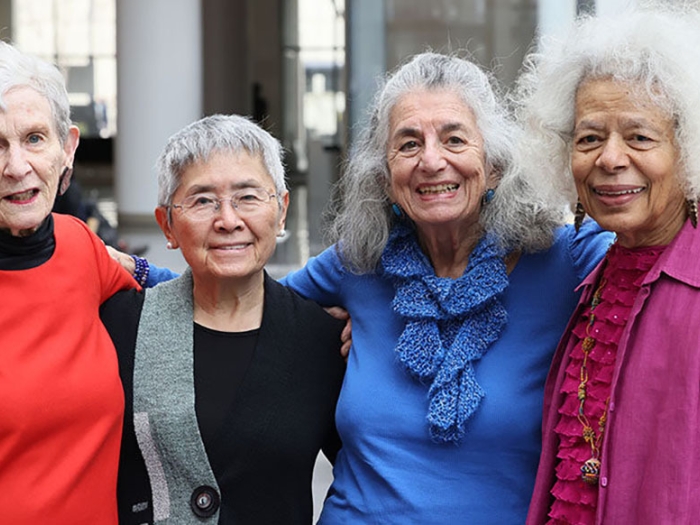
Unlocking the secrets of SuperAgers
People in their 80s and 90s with cognitive abilities similar to much younger people, called super agers, are taking part in a national study of their brain health.
Health Lab
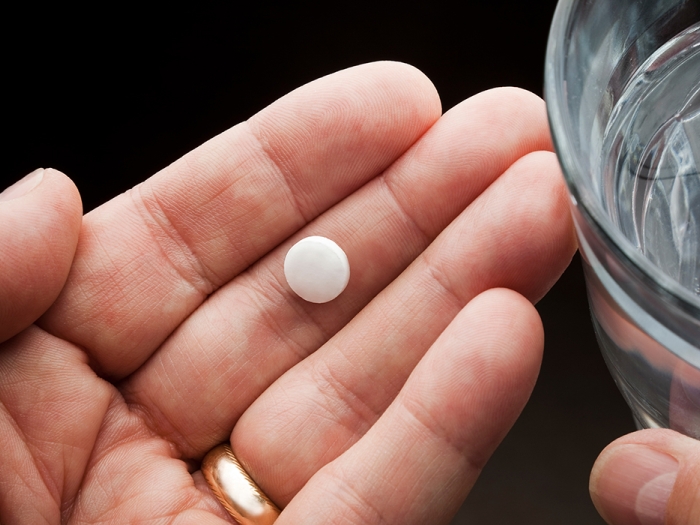
An aspirin a day? Some older adults who take it may be following outdated advice
Many people aged 50 to 80 who said they take aspirin multiple times a week may not need to do so and could be causing health risks, according to National Poll on Healthy Aging.
Health Lab
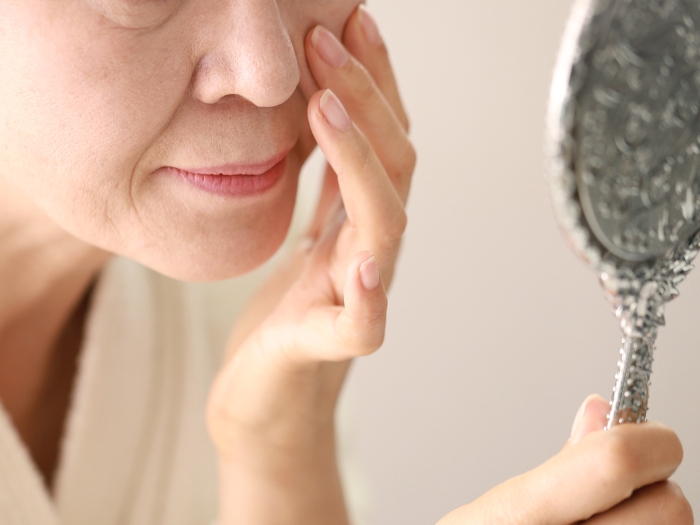
Does trying to look younger reduce how much ageism older adults face?
How do ageism and positive age-related experiences differ for people who have tried to look younger, or feel they look younger, than they actually are? A new study examines this and the relationship with health
Minding Memory
The Professional Workforce of People Who Provide Dementia Care
In this episode of Minding Memory, Matt & Donovan speak with Dr. Joanne Spetz, the Brenda and Jeffrey L. Kang Presidential Chair in Healthcare Finance and Director of the Philip R. Lee Institute for Health Policy Studies at the University of California, San Francisco (UCSF). Joanne talks with Matt & Donovan about who makes up the professional workforce of people who provide dementia care and how these individuals play a critical role in the delivery of services. Joanne also discusses how different professional roles interact across setting of care. Lastly, Joanne introduces a new study she is working on with Donovan called the National Dementia Workforce Study (NDWS) that will be surveying a large group of clinicians who provide care for people living with dementia.
Health Lab
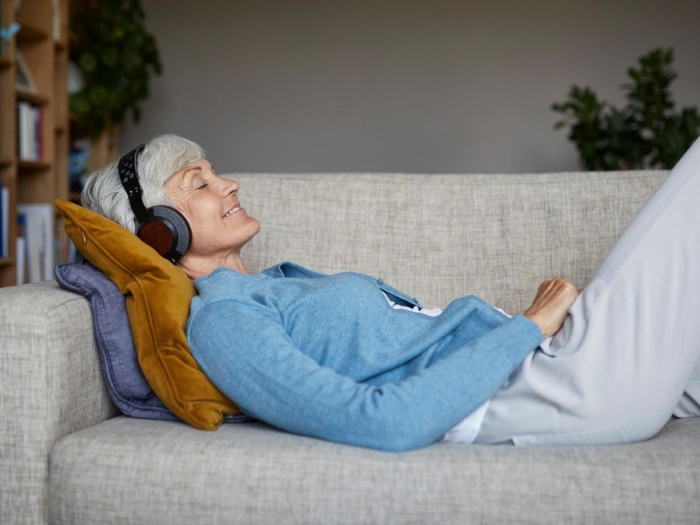
Music may bring health benefits for older adults
Making music by singing or playing an instrument, or listening to music, brings health and wellbeing benefits to many older adults.
Health Lab
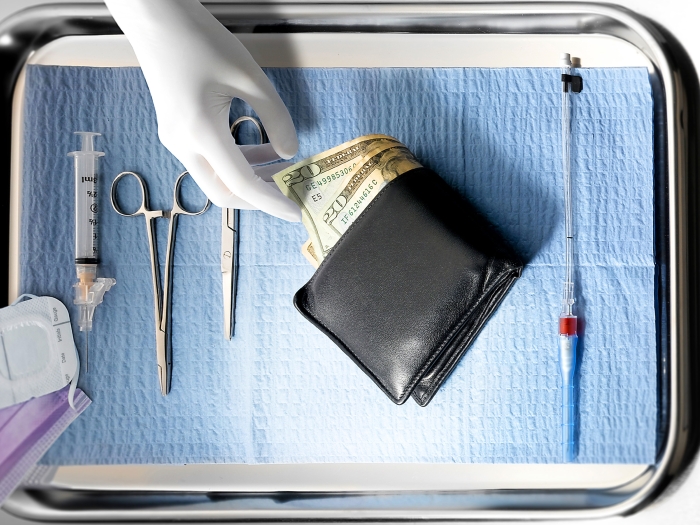
Worries about costs, time off work and COVID-19 kept some older adults from having surgery
Elective surgery study shows older adults have concerns about what it will cost them, how much work they’ll miss and whether they’ll catch COVID-19.

Health Lab
Few older adults use direct-to-consumer health services; those who do don’t tell their regular provider
Buying health care services directly online offers convenience but also risks if patients don’t tell their regular doctor or provider. Poll looks at older adults’ use and attitudes.
Health Lab
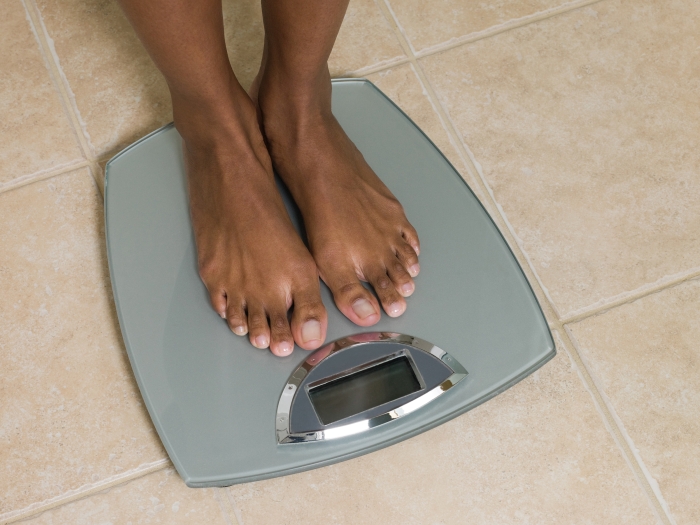
Medicare doesn’t cover obesity drugs, but 76% of older adults think it should
Drugs approved for people with obesity or diabetes, such as Ozempic and Wegovy, can reduce risk for older adults; a new poll shows attitudes toward them
Health Lab
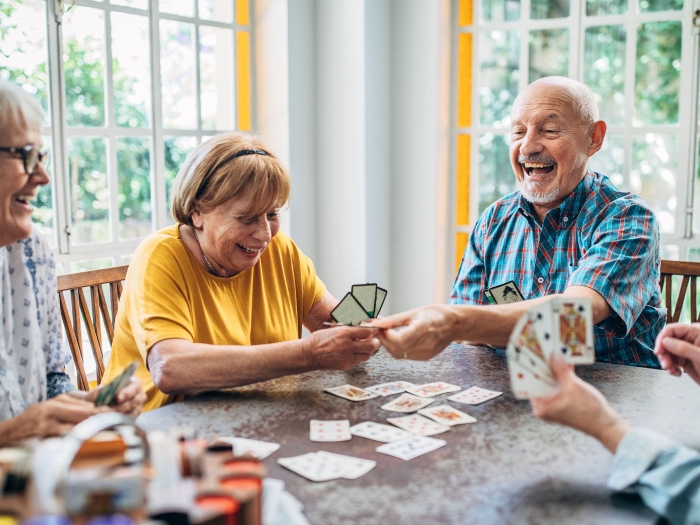
8 ways older adults can reduce loneliness and social isolation
Two Michigan Medicine doctors share 8 ways older adults can combat loneliness and social isolation.
Health Lab
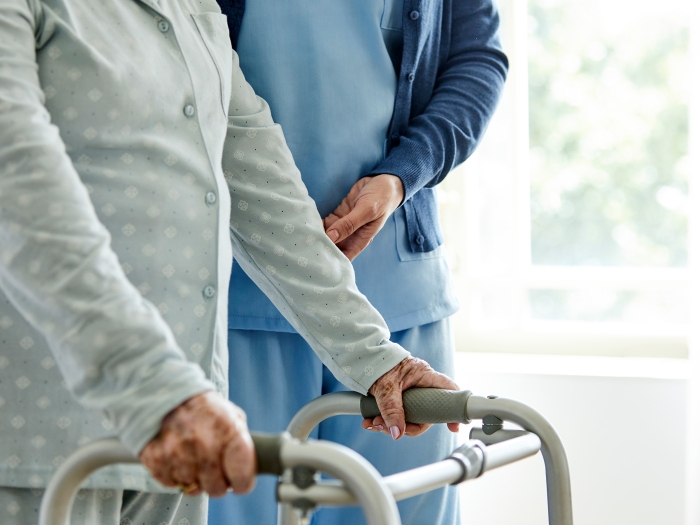
Long COVID happens in nursing homes, too
Post-acute sequelae of Sars-COV2 (PASC, long COVID) caused a decrease in independence and cognitive ability after coronavirus infection in nursing home residents
Health Lab
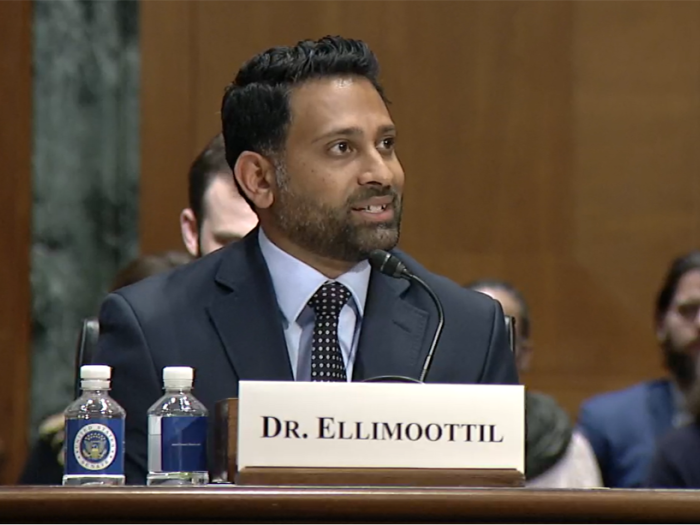
Keep telehealth alive and well, experts tell Senate subcommittee
Telehealth coverage by Medicare is scheduled to expire at the end of 2024; experts told Senators what they think should happen to preserve it.
Health Lab
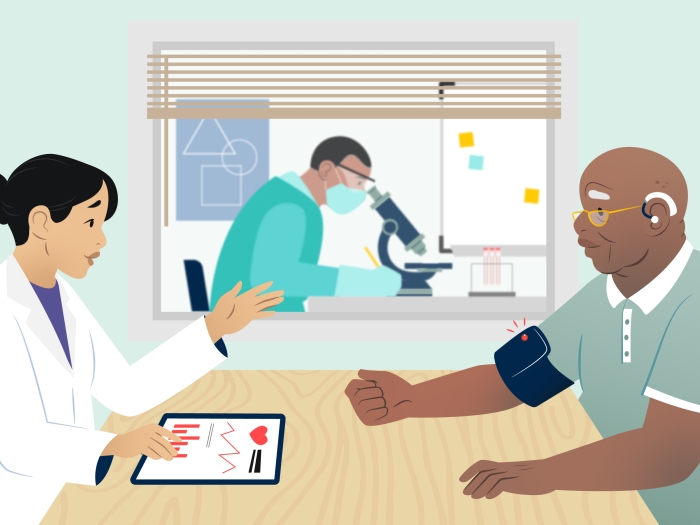
Older adults left out of clinical research trials
Including older adults in research can be beneficial, explains a Michigan Medicine research, who says more should, and can be, done to have their insights.
Health Lab
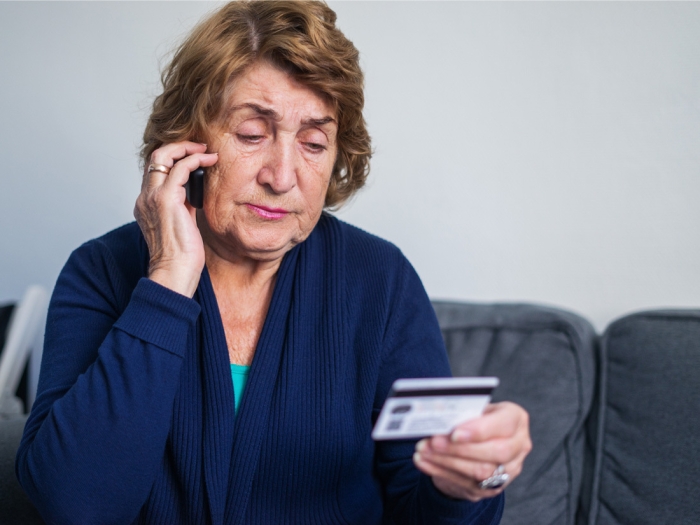
Health plays a role in older adults' vulnerability to scams
Most older adults have faced an attempted scam, and some have been defrauded, but rates were higher among those with health problems or disabilities.
