
More articles about: Gastroenterology
Health Lab
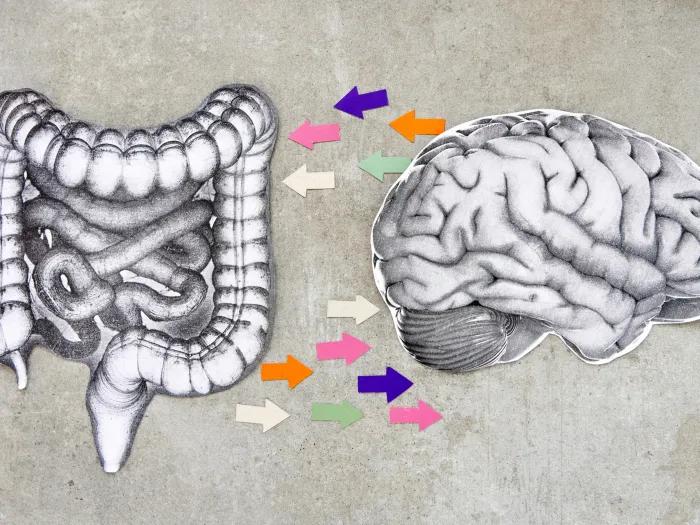
Identifying avoidant, restrictive food intake disorder in gastroenterology patients
New research from Michigan Medicine gastroenterologists attempts to better calibrate the Nine-Item ARFID Screen for patients with disorders of gut-brain interaction.
Health Lab
As probiotic use surges, microbiome-supportive food consumption stagnates
New research finds that probiotic supplement use has surged in the United States, while the consumption of microbiome-supportive foods has remained virtually unchanged.

Health Lab
How gastroenterology nutrition therapy has evolved
At Michigan Medicine, physicians and nutritionists from the Division of Gastroenterology & Hepatology led the 10th annual “FOOD: The Main Course to Digestive Health” to educate nutritionists treating gastrointestinal diseases and conditions.

Health Lab
Will AI transform health care administration, specialty care?
Eric D. Shah, M.D., M.B.A. discusses AI for specialty care following the publication of a review of current administrative tools for gastroenterology practices
Health Lab
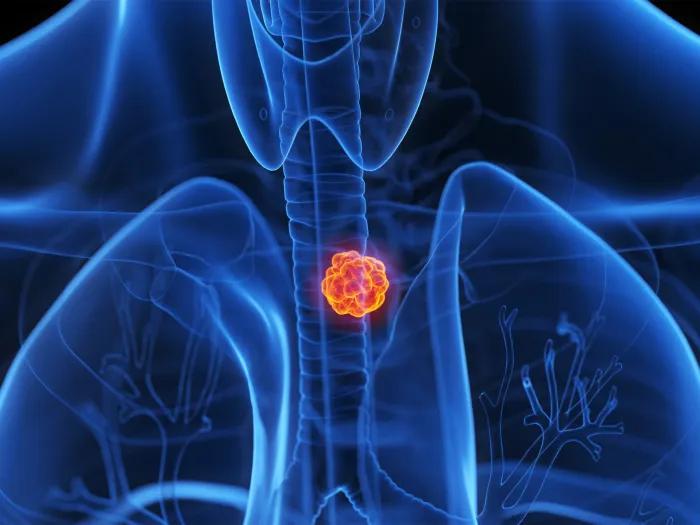
Understanding esophageal cancer
In this Q&A, a Michigan Medicine doctor talks about esophageal cancer, its signs and risk factors to know.
Health Lab
Managing cirrhosis pain without drugs
Michigan Medicine hepatologists are preparing a year-long study looking at the techniques cirrhosis patients can use at home to relieve chronic pain without medication.

Philanthropy News
Family that overcame Crohn’s supports research for future patients
Kripke family gift supports Chron's disease research at Michigan Medicine. This gift will advance pediatric medical research and patient care at U-M.

Health Lab
New metric better predicts which drug-induced liver injury patients require transplant
Study finds the DILI-Inpt prognostic score outperformed existing systems in identifying which hospitalized patients with severe idiosyncratic drug-induced liver injury were unlikely to recover on their own.
Health Lab Podcast
Studying the relationship between cancer and fish oil
ALOX15 loss, which is common in colorectal tumors, impairs the cancer-preventative effects of fish oil. Read the full article on Health Lab.

Health Lab
Physicians investigate Reddit to better understand self management of inflammatory bowel disease
Reddit’s popularity as a tool for self managing inflammatory bowel disease highlights opportunities for improvements in clinical care, according to a paper published in Journal of Medical Internet Research.

Health Lab
How GI behavioral therapy helped one patient escape the pain of pandemic stress
A patient found help with her irritable bowl syndrome, also known as IBS, with gastrointestinal behavioral therapy at Michigan Medicine.
Health Lab
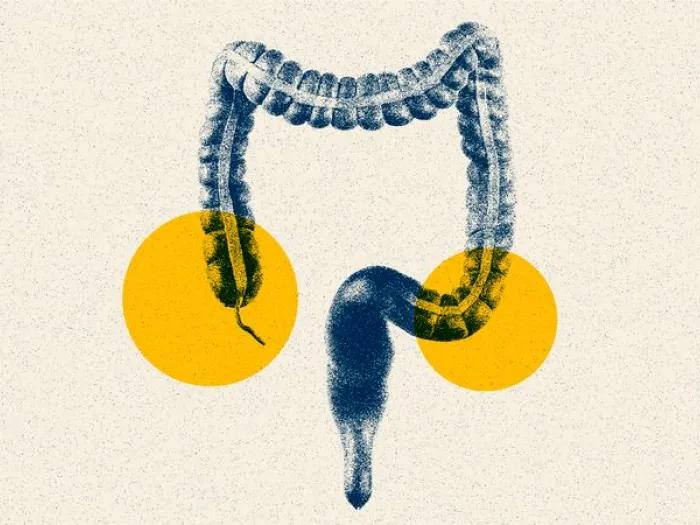
Evolutionary insights into the development of the human intestine
An international research team finds that the human gut is a site of rapid change, with recent and important deviations from other mammals.
Health Lab
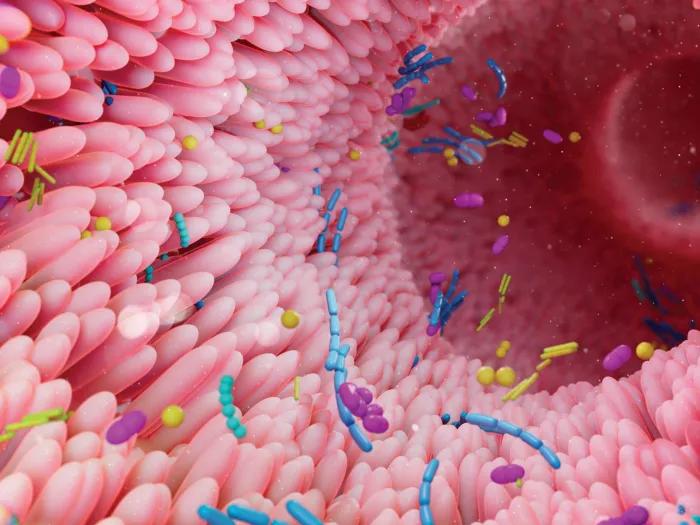
Low FODMAP diet improves leaky gut in study
In a new study, patients with irritable bowel syndrome with diarrhea, or IBS-D, who went on a low FODMAP diet saw an improvement of colonic barrier dysfunction, commonly known as “leaky gut.”

News Release
U-M Health’s Ann Arbor hospitals recognized as No. 1 in Michigan, among best in nation by U.S. News & World Report
University of Michigan Health’s Ann Arbor adult hospitals were ranked best in Michigan and in the top 20 in the nation by U.S. News & World Report Best Hospitals rankings for 2025-2026.

Health Lab
Mediterranean diet provides symptom relief for patients with IBS in pilot study
A pilot study found that the Mediterranean diet may provide symptom relief for people with irritable bowel syndrome commonly referred to as IBS.
