

Health Lab
How common is pacemaker use after heart valve surgery?
People having heart surgery to repair leaking mitral or tricuspid valves may receive a pacemaker more often than necessary — leading to a greater risk for life threatening complications.

Health Lab
Risk of clots, stroke from incorrect blood thinner dosing reduced using online dashboard
Doctors and pharmacists treating people with blood thinners can now reduce the rate of inappropriate dosing — as well as blood clots and strokes that can result from it — using an electronic patient management system.

Health Lab
Black stroke patients arrive later to hospitals, EMS less likely to notify
Research found that it took approximately 28 minutes longer for a Black patient to be brought in for emergency care after displaying symptoms of a stroke.

Health Lab
Most blood thinner dosing problems happen after initial prescription
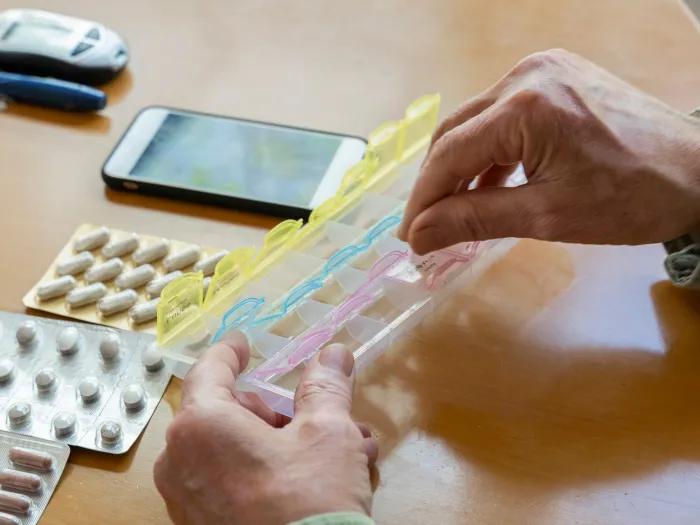
More than two-thirds of those people take a type of blood thinner called a direct oral anticoagulant. These DOACs, such as rivaroxaban (brand name Xarelto) and apixaban (brand name Eliquis), are under- or over-prescribed in up to one in eight patents. These prescribing issues can have life-threatening consequences, and they most often occur after a provider writes the initial prescription, according to a study led by Michigan Medicine.
Health Lab
Older adults want to cut back on medication, but study shows need for caution
The idea of deprescribing is popular among older adults who take prescription drugs, especially those taking medication for symptomless conditions like high blood pressure.

Health Lab
Physical activity improves early with customized text messages in patients with heart problems
A study found personalized text messages effectively promoted increased physical activity for patients after significant heart events — such as a heart attack or surgery — but those effects later diminished.

Health Lab
Blood pressure high for years? Beware of stroke risk
A study led by Michigan Medicine narrows in on the cumulative effects of years of high systolic blood pressure — the top number on the blood pressure reading and how hard the heart pumps blood to the arteries — finding that a higher average reading during adulthood is linked with a greater risk for the two most common types of stroke.

Health Lab
Older women more likely to receive heart surgery, die at low quality hospitals
Women over the age of 65 who require complex heart surgery are more likely than men to receive care at low quality hospitals — where they also die in greater numbers following the procedure, a Michigan Medicine study finds.
Health Lab
Getting ahead of aortic disease
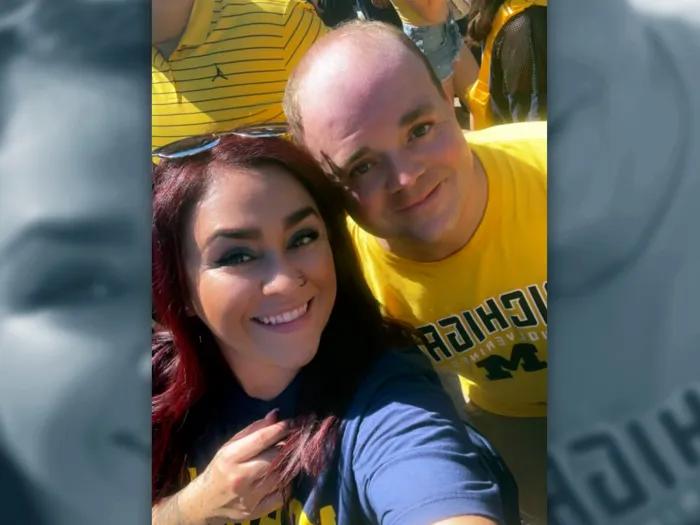
Patient bypasses a life threatening aortic aneurysm with the help of Michigan Medicine's genetic counseling and a streamlined cardiac referral program.
Health Lab
New risk equation could mean preventive statins for far fewer Americans
The tool, based on updated information about atherosclerotic cardiovascular disease, could mean fewer people would be recommended to take statin medications

Health Lab
Adolescents with heart disease learn resilience skills, connect with peers through unique program
Youth with heart disease enrolled in unique program that teaches resilience and builds connections with their peers

Health Lab
Around 10% of deaths from coronary stenting, balloon angioplasty are preventable
Around 10% of all deaths following percutaneous coronary intervention are potentially preventable, a study led by Michigan Medicine finds.
Health Lab
Novel risk score for cardiovascular complications after bone marrow transplant
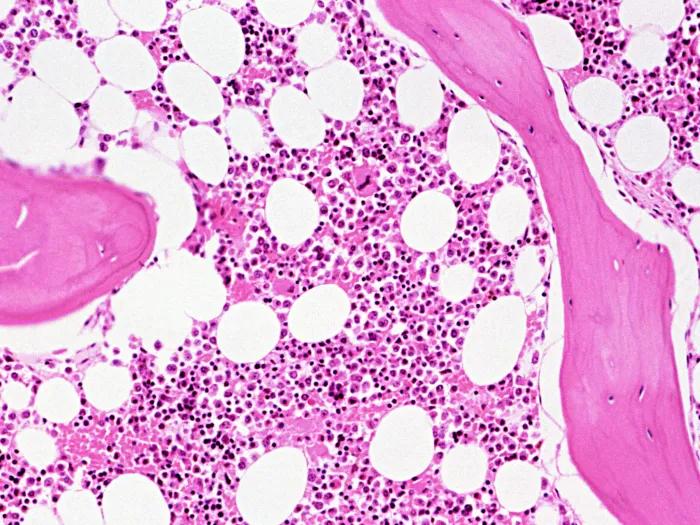
More bone marrow transplants, also known as hematopoietic stem cell transplantation, are being offered to older patients, a population at greater risk of cardiovascular disease.

Health Lab
Female genetic markers may have greater effect on hypertension, certain cardiovascular diseases
Female genetic markers may have greater effect on hypertension, certain cardiovascular diseases
Health Lab
Sudden cardiac arrest in young athletes: 5 things parents should know
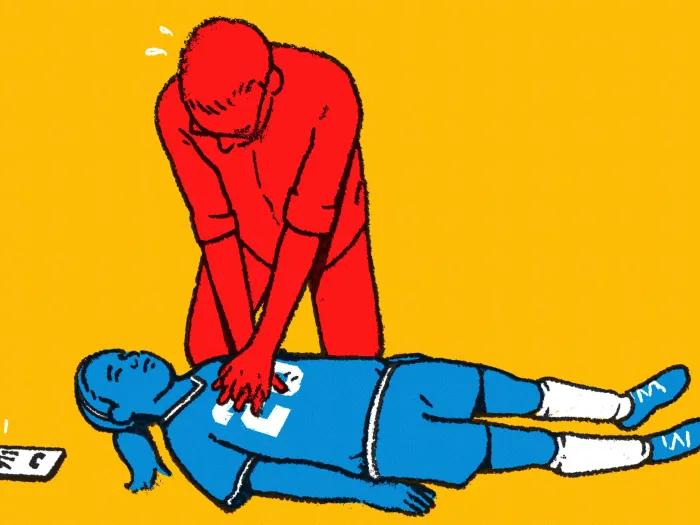
Sudden cardiac arrest in young athletes: 5 things parents should know
