
More articles about: Brain and Spine
Health Lab
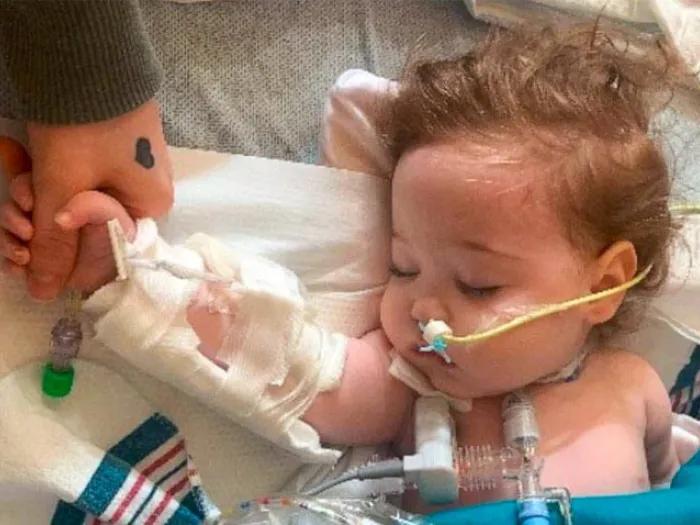
A 1-year-old’s journey after severe COVID sickness
After her 17-month-old daughter got a life-threatening case of COVID, Andrea Bell is encouraging others to continue protecting those that can’t get vaccinated.
Health Lab
Toddler with Spina Bifida Meets Paralympian: “She has crutches like me”
Young patient’s reaction to commercial featuring gold medalist and double amputee Jessica Long goes viral, leads to Zoom introduction.
Health Lab
Spinal Cord Injury Increases Risk for Mental Health Disorders
A new study finds adults with traumatic spinal cord injury are at an increased risk of developing mental health disorders and secondary chronic diseases compared to adults without the condition.
Health Lab
Five-Year Milestone for Fixing Spina Bifida in the Womb
At Michigan Medicine, specialized spina bifida fetus surgery improves long term outcomes in children diagnosed with the disease.
Health Lab
Coming Together through Fetal Intervention
Several Michigan Medicine spina bifida fetal surgery patients and families reunite at their fourth annual summer camping trip.
Health Lab
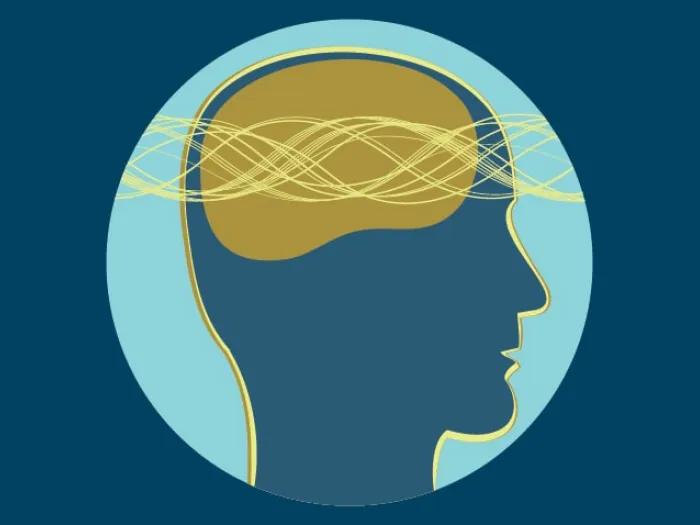
Waking Up Is Hard to Do: Reversing Deep Unconsciousness
Michigan Medicine researchers explore the role of the prefrontal cortex in wakefulness.
Health Lab
When Raised Among Drug and Alcohol Abuse, What Makes Some Teens ‘Resilient’?
Kids with a family history of substance use are likely to mimic those behaviors. A Michigan Medicine researcher studied their brain activity to see why certain youths do not.
Health Lab
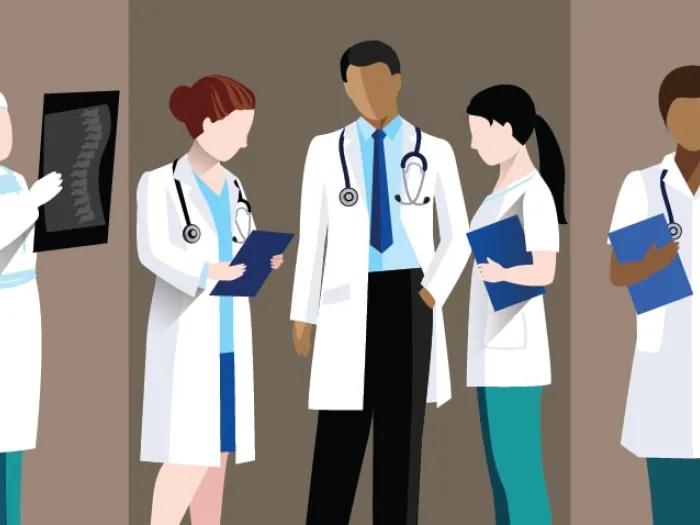
New Algorithm Decodes Spine Oncology Treatment
New to spine oncology, experts discuss a new algorithm that decodes treating patients who are living longer with spinal cancer, as the options for metastatic spine tumors increase.
Health Lab
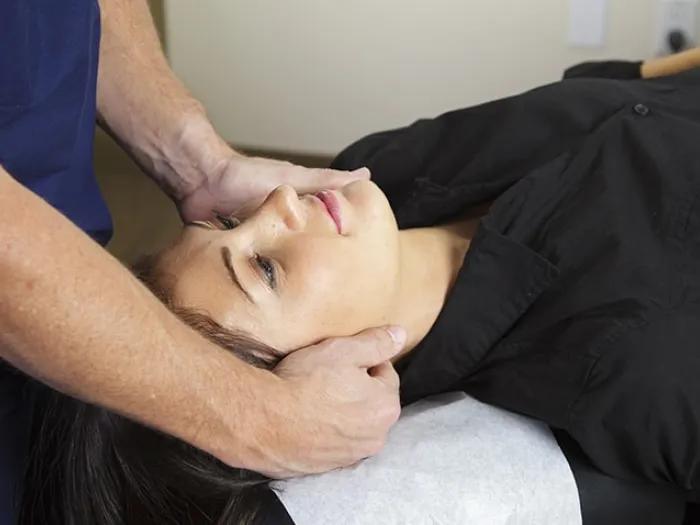
Chiropractic Neck Manipulation and Stroke: What’s the Risk?
Chiropractic neck manipulations may be linked to vertebral artery dissection, which can change blood flow to the brain that could potentially lead to a stroke
