Endometriosis is common. It is estimated that, worldwide, up to 10% of reproductive-age people with a uterus have endometriosis. Yet misunderstandings and delayed diagnoses can get in the way of patients getting treatment. To learn more, we turned to Sawsan As-Sanie, M.D., M.P.H., the Robert K. Ferguson and Virginia A. Ferguson Professor of Obstetrics and Gynecology.
1. What is endometriosis?
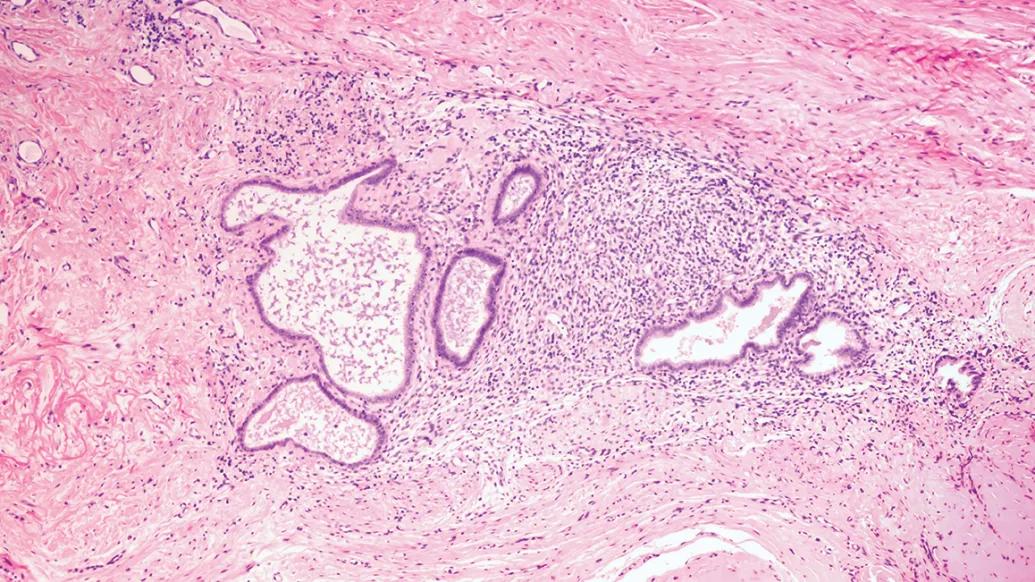
Endometriosis is a chronic, estrogen-dependent disease defined by the presence of endometrial-like tissue (called “lesions”) outside of the uterine lining.
2. What causes endometriosis?
There are multiple theories to explain what causes endometriosis, but none explain every subtype. The most widely accepted theory is that it’s caused by the movement of endometrial tissue through fallopian tubes into the pelvis during menstruation. However, this doesn’t explain lesions outside the pelvis, which likely involve lymphatic or vascular metastasis. There is some evidence to suggest you can inherit endometriosis, but no single gene has been associated with the majority of familial cases. Endometriosis is probably caused by both genetic and environmental factors.
3. Is it curable?
To date, there is no cure.
4. What are the most common symptoms of endometriosis?
Common symptoms are pelvic pain, which could be painful periods, non-menstrual pelvic pain, or pain with sex. Those are the most common symptoms, but patients can have a wide variety of other symptoms, primarily pain symptoms, including pain with bowel movements or urination. Another common symptom is infertility.
Patients with endometriosis often express a lot of bothersome symptoms, like abnormal uterine bleeding, fatigue, and bloating. These symptoms can be due to a variety of underlying conditions that patients with endometriosis are more likely to have, such as other kinds of chronic pain, fibroids, adenomyosis, and irritable bowel syndrome.
5. Are there any uncommon symptoms people should be aware of?
Very rarely endometriosis can occur in other parts of the body, like the bowel, bladder, lungs, or in the skin. Patients can sometimes experience blood in the stool or urine, and that can happen in rare cases when endometriosis invades into the bowel or bladder. Patients can rarely present with chest pain or coughing up blood, or they might have nodules in their skin that are tender and we discover that it’s endo. This is extremely rare and happens in a fraction of a percent of patients with endometriosis.
6. What are the treatments for endometriosis?
Treatments include hormonal medications, analgesics, surgery, and adjunct therapies that focus on managing pain, helping patients get back to everyday activities and achieve quality-of-life goals, reducing recurrence, and addressing fertility concerns. Adjunct therapies could include things like yoga, other types of exercise, and pelvic floor physical therapy. They could also include cognitive behavioral therapy, which is proven to help some people with chronic pain.
7. What are some misunderstandings about endometriosis?
One persistent belief is that surgery or hysterectomy can cure endometriosis, but we know this isn’t true. It can recur after surgery and even after hysterectomy. In some cases, symptoms return, but there’s no evidence of endometriosis in a second surgery. In one study, this was true for 50% of patients who had recurrent symptoms and a second surgery. This is surprising to patients and providers as well.
Another belief is that endometriosis is cured by pregnancy and menopause. Because endometriosis is a very estrogen-dependent condition, it commonly improves with menopause. But there is a small percentage of patients whose endometriosis is discovered during menopause, and they never had symptoms before. Also, there are some patients whose symptoms and disease persist in menopause.
For the same hormone reasons, symptoms often subside during pregnancy. Unfortunately, patients are sometimes told, “Just get pregnant, and you’ll be better.” Symptoms often will recur after pregnancy.
8. Research shows that patients average 4.5-6.7 years from symptom onset to diagnosis. Why does it take this long to get diagnosed?
The 4.5 years figure is from newer papers, so there’s some evidence to suggest this is getting better. But there are a lot of well-understood reasons that patients take a long time to receive a diagnosis. Sometimes this is related to the normalization of pain for women, or the idea that as a woman, pain — especially pain with periods — is to be expected. Sometimes a patient’s family members tell them this is normal, “everybody in our family has pain like this,” so they could be scared or reticent to talk to their doctor about it. They may not realize it’s something that can and should be treated.
Providers also are not adequately trained in evaluation and treatment of pelvic pain and endometriosis. Once a patient reports symptoms, they may have to see two or three doctors before getting a diagnosis.
The gold standard for diagnosing endometriosis is by surgery, and not everybody has access or insurance to see a gynecologist who recognizes the symptoms and offers a surgical evaluation. The recent international guidelines recommend initiating treatment based on clinical symptoms to avoid a delay while waiting for diagnostic surgery. That is helping to reduce delay in treatment. It’s not 100% accurate, but people should get initiated for treatment based on the possible diagnosis.
9. What do you want other physicians to know?
We as health care providers do not routinely ask patients about their gynecologic health, so we should be screening all patients about whether or not they’re having pelvic pain or pain with their periods. Although not specific to endometriosis, we should be asking about their period health: are they having heavy or painful periods? If patients report that their pain is bothersome enough that it is interfering with their daily activities, this deserves further evaluation. While endometriosis is not the only cause of pelvic pain, it’s one of the most common causes and should be further evaluated and considered.
Featured News & Stories

U-M Board of Regents approves construction of Nathan and Catherine Forbes Sports Medicine Institute

Many older adults make Medicare decisions quickly and most don’t change plans, poll finds

Who gets Alzheimer’s drugs? Race, vulnerability and health status shape access
What’s the latest on 7-OH and kratom availability and addiction care?

A metabolic “switch” that could help reset scar-producing cells in scleroderma