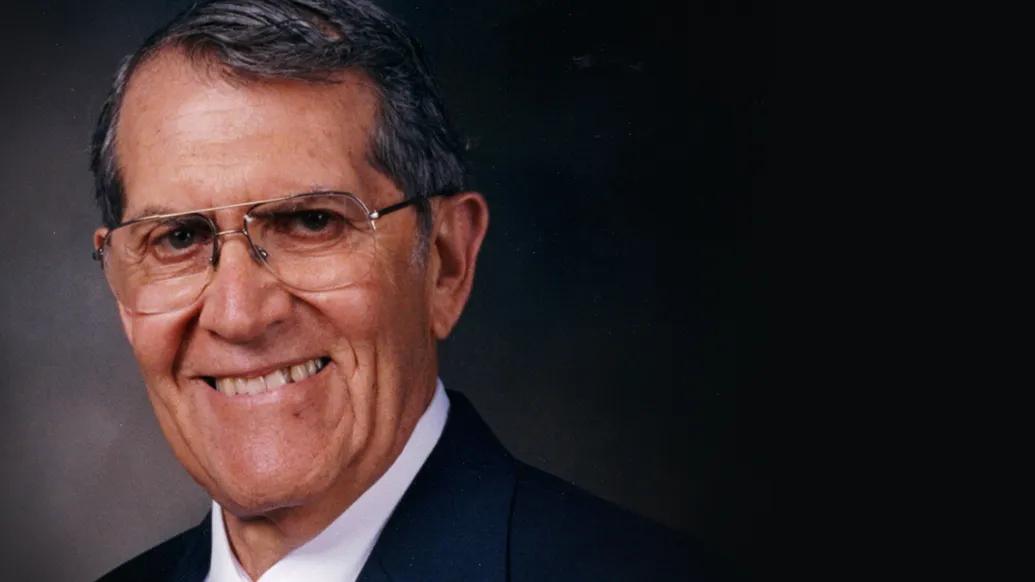
Robert A. Green, M.D.

1925-2015

Photo courtesy of Hilary Haftel

Longtime University of Michigan pulmonologist Robert A. Green, M.D., died in Ann Arbor on April 13, 2015, at age 89.

Born and raised in Brooklyn, New York, Green's studies at Harvard University were interrupted by his military service during World War II. The U.S. Navy assigned him to the University of Illinois Medical School, from which he graduated as a civilian in 1948. After an internship at Mt. Sinai Hospital in Manhattan and training in pathology and internal medicine at the James J. Peters VA Medical Center in the Bronx, Green was called back into service during the Korean War. He then spent three years in the U.S. Public Health Service, where he led a tuberculosis sanatorium in Oklahoma.

In 1958, he became chief of the pulmonary disease section of the VA Ann Arbor Healthcare System, with a faculty position in the U-M Medical School. He went on to become a full professor, coordinator of the Special Studies Program, assistant dean of the Medical School, associate dean for student affairs and chair of the faculty senate. He served as acting chief of the pulmonary and critical care section at the VA from 1984 to 1988.

Green won multiple awards for his teaching, and his warmth, humor and dedication to medicine touched everyone he met and worked with throughout his decades at Michigan.

"His love of medicine and medical education was evident in all of his interactions with physicians and students," says Hilary Haftel, M.D., a pediatric rheumatologist at C.S. Mott Children's Hospital — and Green's daughter-in-law. "He left an indelible mark on those he mentored."


More Articles About:

Faculty Pulmonology Leadership

Featured News & Stories

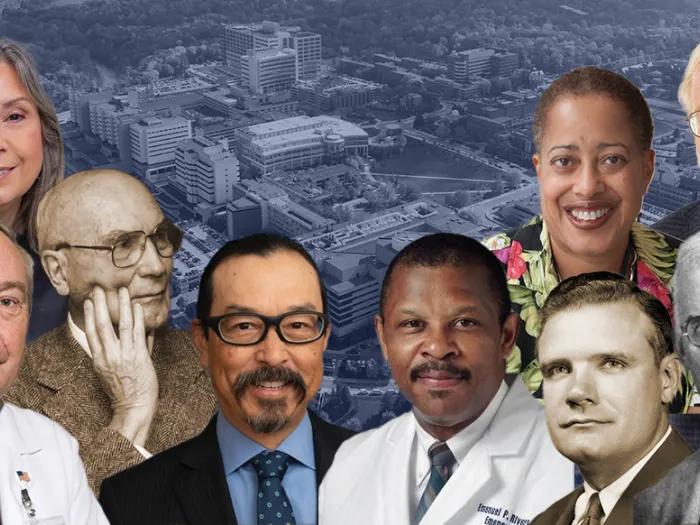
Collage of faces of alumni of the University of Michigan Medical School set against a background of the medical campus
Medicine at Michigan

Still celebrating the 175th anniversary of the University of Michigan Medical School
The Fall 2025 issue of Medicine at Michigan included 175 notable figures in the history of the Medical School. It would have been impossible to create a comprehensive list, so we asked alums, “Who did we miss?” We received more than 40 names in response.
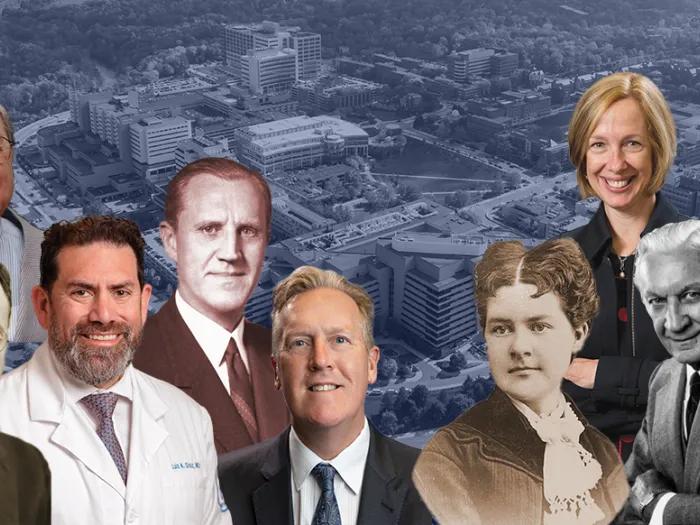
Collage of faces of alumni of the University of Michigan Medical School set against a background of the medical campus
Medicine at Michigan

Continuing to celebrate the 175th anniversary of the University of Michigan Medical School

The Fall 2025 issue of Medicine at Michigan included 175 notable figures in the history of the Medical School. It would have been impossible to create a comprehensive list, so we asked alums, “Who did we miss?” We received more than 40 names in response.
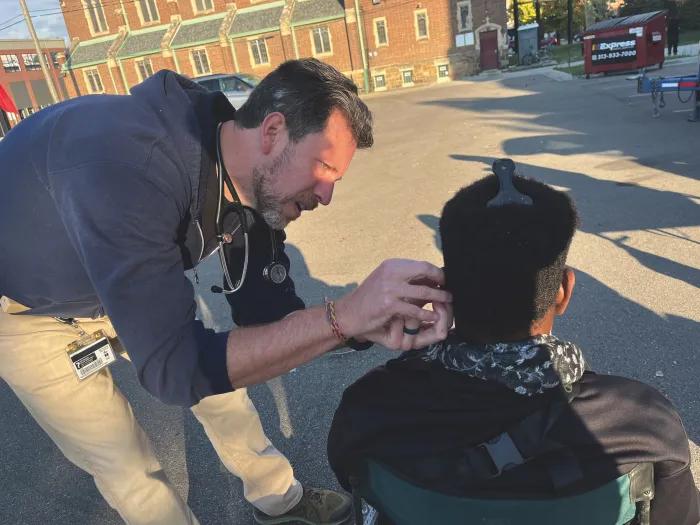
Neil Nixdorff is standing next to a man who is seated. Nixdorff is applying acupuncture to the man's ear.
Medicine at Michigan

Managing pain one (super-thin) needle at a time
Neil Nixdorff, M.D. (Fellowship 2024), promotes and teaches auricular acupuncture as a way to manage pain.
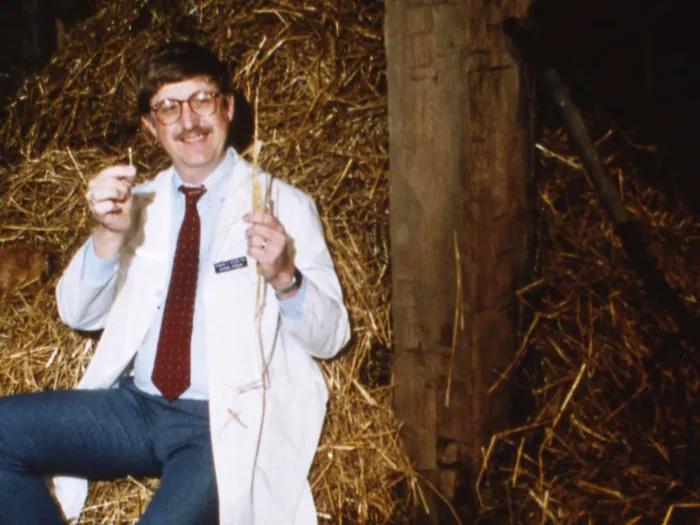
Francis Collins MD PhD needle haystack
News Release

A gene discovery that changed cystic fibrosis care, and genetic research, forever

Modern cystic fibrosis care at U-M Health includes medication based on genetic discoveries as well as many other options
Health Lab

Surviving sepsis: New guidelines harness life saving evidence for treating adults
An updated clinical guideline for treating sepsis in adults emphasizes pre-hospital care and judicious use of antibiotics and antifungals
Well-Being at Michigan Medicine with Dr. Elizabeth Harry
Well-Being at Michigan Medicine

A Chat with Better Together: A Scalable Solution to Physician Burnout

Dr. Elizabeth Harry welcomes guests Drs. Adrienne Mann and Tyra Fainstad, co-founders of Better Together, an evidence-based group coaching program transforming physician well-being. They share their personal journeys from burnout to coaching, explain how metacognitive group coaching builds community and resilience, and present compelling data showing significant reductions in burnout, imposter syndrome, and moral injury. The episode explores how scalable, confidential coaching can reshape medical culture and restore meaning in medicine. • Learn more about Better Together Physician Coaching here