When Daniel Shumer, M.D., was training as a pediatric endocrinologist, he saw the profound effect of compassionate, gender-affirming care. Patients and their parents came in looking nervous and scared, “some even seeming a little embarrassed to be talking about these topics,” he says.
“Those same patients and families, when they were leaving the room, felt heard, relieved, proud, and hopeful.” That’s what inspired Shumer, who is associate professor of pediatrics and medical director of the Gender Services Program at C.S. Mott Children’s Hospital, to become an expert in gender-affirming care. We talked with him about how to care for kids who are experiencing gender differences.
What is the difference between sex and gender?
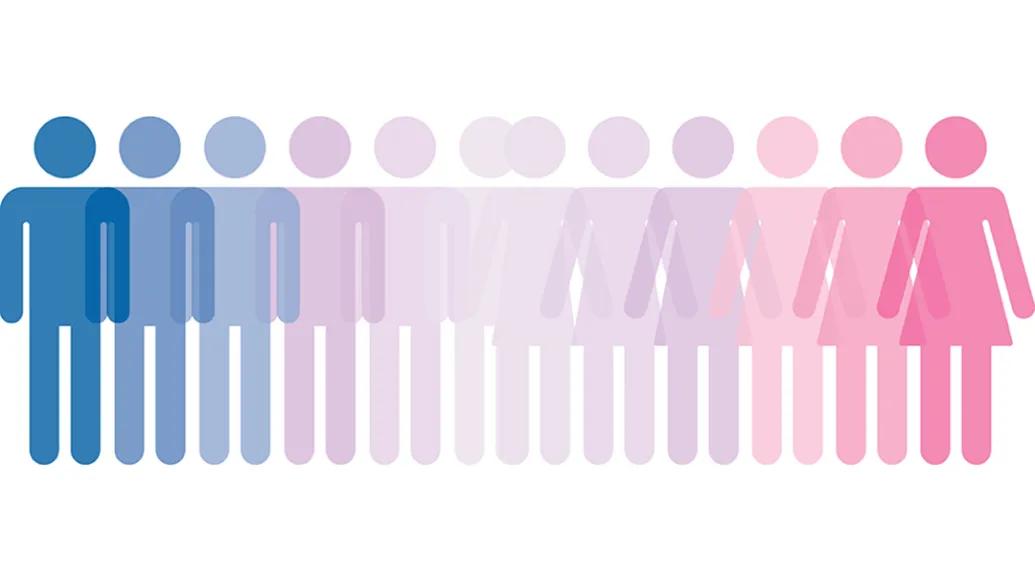
First of all, everyone has a gender identity, which is how I know myself inside as a man or woman, boy or girl, or somewhere else on the gender spectrum. Gender identity is something you can’t measure with a blood test or X-ray. It’s only something a person can tell you about themselves from their lived experience.
When I hear the word “sex,” to me that’s a term that’s trying to separate human beings into two categories, male and female. And it turns out that, while that seems simple, it’s actually pretty complicated. We have chromosomes, hormones, and anatomy. A lot of times, all these things line up, but sometimes they don’t.
In my opinion, gender is a component of sex. Someone’s gender identity can help inform that person’s sex. We know there are biological influences of gender identity, and even though gender identity is something we can’t measure, that doesn’t make it any less real or valid than something like chromosomal sex.
What is the difference between gender and sexuality?
Sexual orientation refers to the people that a person finds physically or romantically attractive. Oftentimes we think of terms like straight, gay, or bisexual, as opposed to gender identity terms such as cisgender [which is when your gender aligns with your sex assigned at birth] and transgender. My mentor had a somewhat humorous way of explaining the difference: “Sexual orientation is who you want to go to bed with, but gender identity is who you wake up as.”
What is gender-affirming care?
When I think of gender-affirming care, I think of it as a combination of support a patient might get from medical and non-medical interventions.
Not everyone with a difference in gender identity should be considered as having a medical problem or needing to see a doctor. When someone is facing challenges due to a difference between sex assigned at birth and gender identity, this is often referred to as gender dysphoria or gender incongruence.
When you ask someone to use a different name or pronouns, when you pick out clothes that match your gender and decide how you want to wear your hair, those are, in some ways, non-medical treatment options for gender dysphoria. On the other hand, there are medical treatments, including hormone therapy and even, potentially, surgical interventions.
What are the risks and benefits of delaying puberty?
For a subset of young people, going through puberty can be extremely challenging and can complicate their mental health situation.
Pubertal suppression can reduce distress, but it is reversible. We’re allowing time for the child to get older and make a more balanced decision with their family about what comes next. Discontinuation of pubertal suppression would result in puberty. However, patients who have persistent identity that is aligned with the opposite gender from their sex assigned at birth who are treated with pubertal suppression could subsequently make a decision about hormones in later adolescence.
We’re also really cautious about using medical interventions to treat dysphoria because it delays growth spurts and bone density accrual. These things will happen eventually once the medication is discontinued, but pubertal suppression does change the timing of the body’s growth and development.
We balance those risks against potential benefits of delaying puberty for each individual. For some patients, withholding medical intervention could mean worsening distress, anxiety, depression, and potential suicidality. Every major medical association in the U.S. recognizes that gender-affirming care is safe and effective at treating gender dysphoria.
What can you tell people, especially parents, who are struggling with understanding these concepts?
I want to recognize that gender identity can be a challenging topic, especially for older generations. For transgender people, it helps to have a name or a face of someone we love to understand gender identity better. I think that’s why the youngest generation of Americans is unfazed by these conversations.
There’s nothing wrong with being excited to have a baby boy or baby girl and to be really proud of the newborn that you’ve created. What I would ask is that everyone has more openness and tolerance for the idea that there is diversity in how people identify. The majority of families won’t have a child who has a difference in gender identity or sexual orientation, but it’s important to let kids know from a young age, “Whoever you are and whoever you become, you will beloved and supported.”
I want to acknowledge that being a parent is a hard job. Parents’ feelings about gender difference are normal and valid. I also know that, even more important than any medical decision, a child knowing their parent loves and supports them unconditionally is the most important predictor of that child’s success. We know that LGBTQ+ youth who report high levels of rejection from parents do have a higher risk for depression, anxiety, drug use, and high-risk sexual behavior, than kids who report no or low parental rejection.
Meeting parents where they are and educating them about the meaningful impact of their support on their child’s health and well-being can help motivate parents to be more supportive. Even a parent who is supportive enough to honor a child’s name and pronouns but is not ready to discuss medical interventions is doing an amazing thing to help their child feel loved.
Featured News & Stories

A metabolic “switch” that could help reset scar-producing cells in scleroderma

Can Your Voice Reveal Early Signs of Alzheimer’s?

Emergency room intervention pairs smartphone, telehealth counseling to reduce risky firearm behavior

A second chance at life

Exceptional response to immunotherapy gives patient with liver cancer more milestones to celebrate