Is it Safe to Travel in the Age of COVID-19?
As lockdown restrictions ease up around the country, health experts share their input on travel and how to make vacationing as safe as possible.
3:00 PM
Author |
Editor's note: Information on the COVID-19 crisis is constantly changing. For the latest numbers and updates, keep checking the CDC's website. For the most up-to-date information from Michigan Medicine, visit the hospital's Coronavirus (COVID-19) webpage.
Interested in a COVID-19 clinical trial? Health research is critical to ending the COVID-19 pandemic. Our researchers are hard at work to find vaccines and other ways to potentially prevent and treat the disease and need your help. Sign up to be considered for a clinical trial at Michigan Medicine.
The number of COVID-19 cases in the U.S. have been increasing daily at the highest rate since the pandemic began. Despite this, with lockdown restrictions loosening around the country, many have found themselves booking beach vacations or traveling to see friends and family. Though cities and businesses are beginning to open up, health experts say traveling is still something we must do with major caution.
"Many things have not changed in terms of COVID, we still don't necessarily have a treatment for it. It's still quite rampant and worse in some parts of the country," says Payal K. Patel, M.D., an infectious disease and internal medicine physician at Michigan Medicine.
LISTEN UP: Add the new Michigan Medicine News Break to your Alexa-enabled device, or subscribe to our daily updates on iTunes, Google Play and Stitcher.
Despite this, if you do choose to travel this summer, Patel advises avoiding large groups of people. Instead, traveling with your household and keeping your circle small lowers your risk of infection and the chances of infecting others. This could come in the form of road tripping, short day trips, camping or any activities that involve minimal contact with others.
SEE ALSO: Seeking Medical Care During COVID-19
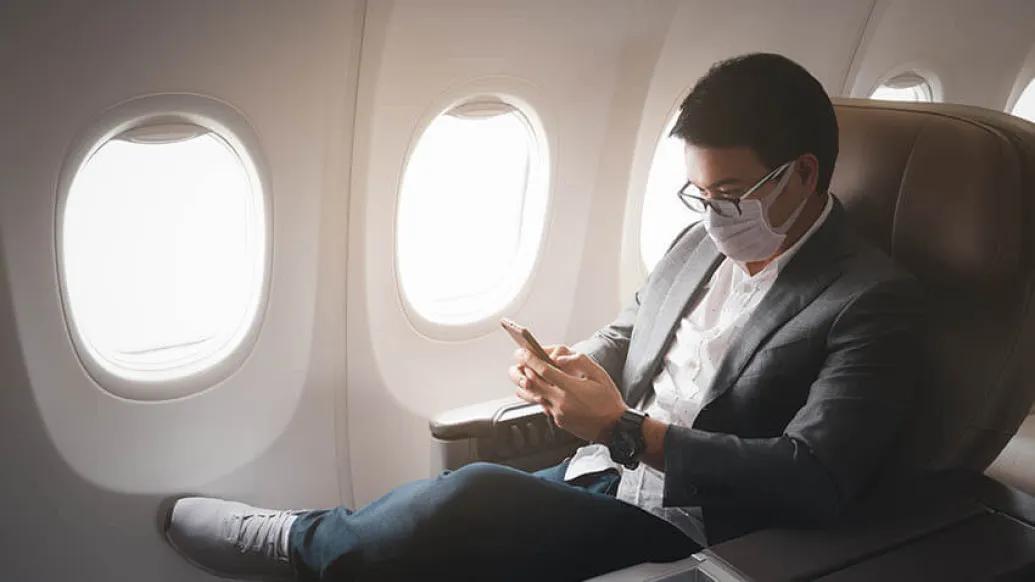
So which form of transportation is safest? Patel says that while traveling, we should be cautious of any public transportation.
"If you are going to have to use an airplane or train… the biggest thing I would recommend is not just wearing a mask, but considering eye protection, too," she says. This can include face shields, glasses or goggles, and generally avoiding touching your eyes or face, according to the Centers for Disease Control and Prevention.
SEE ALSO: Keeping Our Patients Safe During COVID-19
Therefore, traveling by car becomes the safest option— though this comes with the potential risk of public rest stops. Health officials say it is safe to use public restrooms, so long as individuals wash their hands with soap and water and touch as few surfaces as possible.
"It's okay to use a public bathroom; the key is washing your hands as much as you can," Patel explains. She recommends dodging any surfaces and washing hands with soap and water often, and even proposes carrying a bottle of soap on your trip to wash your hands whenever there is water or a sink nearby.
Your risk is much lower if you are able to avoid the three Cs, which are closed spaces, crowds and close contact.Payal K. Patel, M.D.
Because COVID-19 is mainly thought to be spread between people who are in close contact, health officials also suggest socially distancing in line for the restroom and generally remaining cautious of the virus at public rest stops.
When you arrive at your destination after these travels, the safety precautions shouldn't stop. Patel recommends self-isolation as the best thing to do once you arrive, and following CDC guidelines.
MORE FROM MICHIGAN: Sign up for our weekly newsletter
"Try to stay at home as much as possible for those 14 days as recommended," she suggests. "If you start having any symptoms of a cold or a cough or some of the things that you would normally try to walk off… it's important to try to ride that out at home if it is safe to do so or call your doctor if you have any questions."
The topic of travel will continue to be a fluid situation throughout the year, according to Patel. Americans should continue to keep an eye out for hotspots and any increase in cases and utilize as many safety precautions as possible during their travels.
Though restrictions are loosening around the country, there is no clear and definite answer of what is perfectly safe to do at the moment, Patel says. Staying home is still the safest option, and any departure from the home includes some level of risk. It is up to the individual to weigh these risks and get the most out of their summer, while still keeping themselves and those around them safe from the virus.
Get more travel advice during the COVID-19 pandemic from the CDC.

Health Lab
Explore thousands of health news & research stories by visiting the Health Lab homepage for more.
Media Contact

Public Relations
Department of Communication at Michigan Medicine
Stay Informed
Want top health & research news weekly? Sign up for Health Lab’s newsletters today!
Featured News & Stories
Feeling Helpless as the Pandemic Continues? 26 Things You Can Do to Help
Staying Summer Safe During the Pandemic

Cooking at Home While Social Distancing

5 ways to manage politically induced stress

Human Rabies Exposures Growing Across the Country