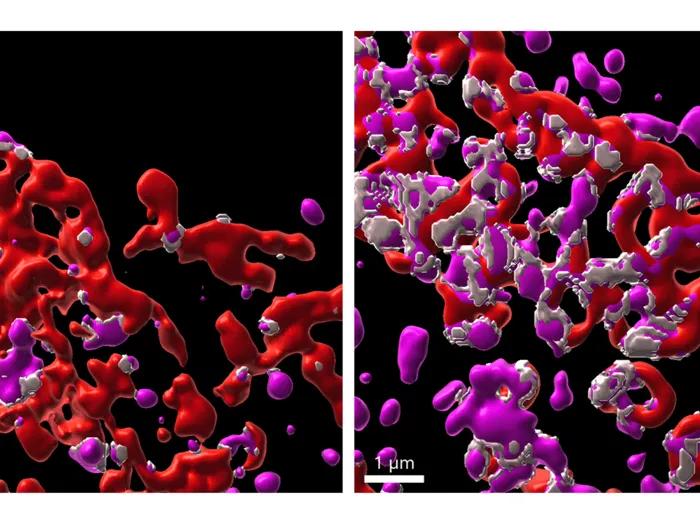
Two Proteins Critical for Kidney Function
Pax2 and Pax8, known for their role in embryonic development, also key to urine concentration in adults.
3:48 PM
Author |
More than 37 million people in the United States have chronic kidney disease, the result of ever increasing rates of common health conditions such as diabetes and high blood pressure.
Normal kidneys work relentlessly to maintain a crucial balance of fluids inside our bodies. They also filter sodium, other minerals and toxic substances from everything we consume. These vital functions help explain why kidney disease is so life-threatening.
A recent paper by Ann Laszczyk, Ph.D., Gregory Dressler, Ph.D. and their team in the University of Medical School's Center for Cell Plasticity and Organ Design, describe the unexpected function of two proteins, Pax2 and Pax8, in normal adult kidney function. The lab has studied the proteins' role in development of the kidney for several years.
"Without Pax2, there is no kidney," says Laszczyk. In a search for potential therapies for kidney disease and injury, they turned their focus to Pax2 and Pax8 in the adult kidney.
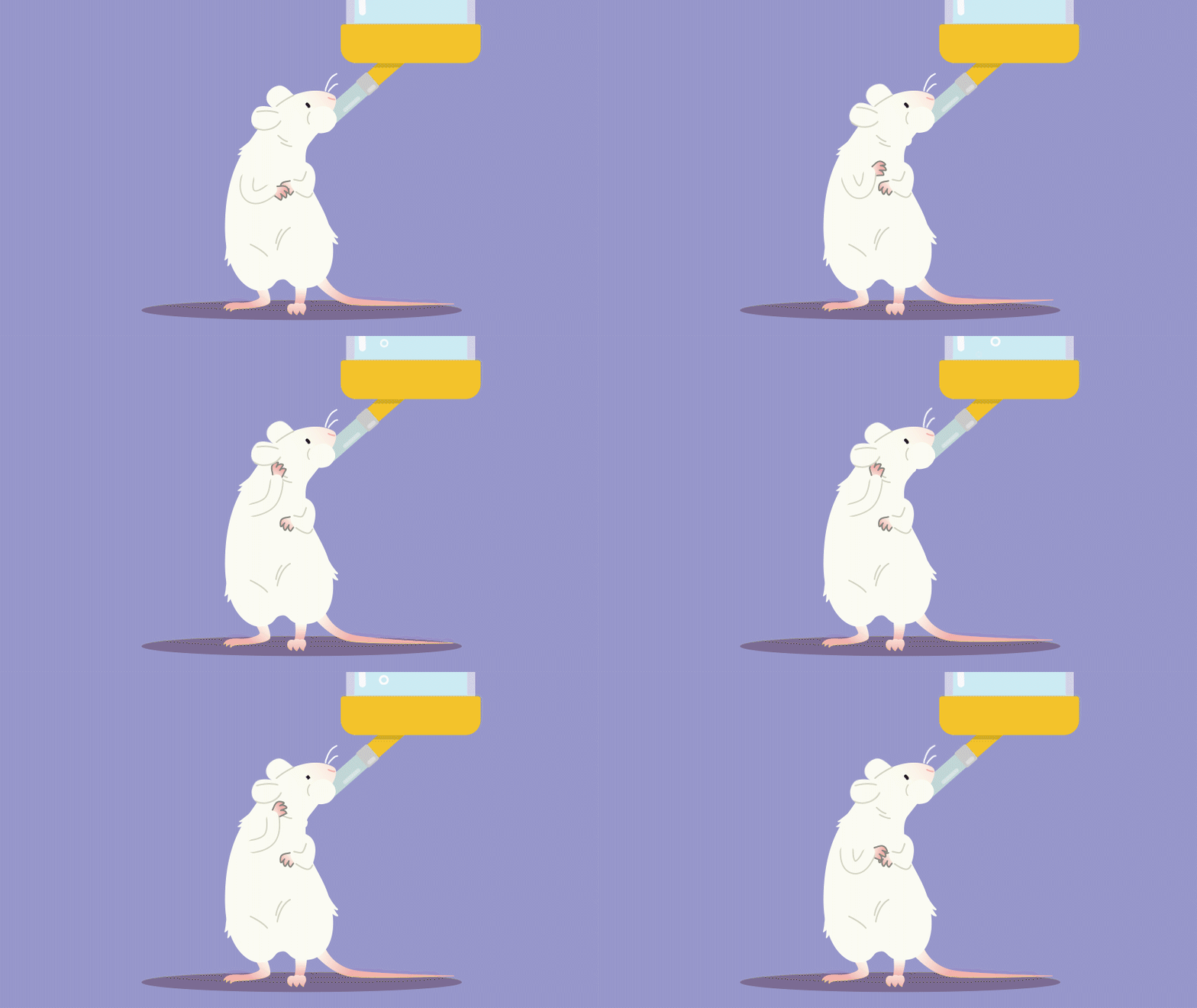
Their first step in their investigation was to create mice that were lacking both proteins. They achieved this by creating mice with DNA that could be targeted to knock-out Pax2 and Pax8 expression in the kidney. Doing so resulted in a surprising effect: the mice began urinating and drinking non-stop.
"We didn't even have to measure it; you could see by the amount of water being drank and urine collecting that they were not reabsorbing water at all," Laszczyk says.
MORE FROM THE LAB: Subscribe to our weekly newsletter
The kidney controls the balance of water and electrolytes inside a structure called the nephron, which is comprised of a system of capillaries and tubules that cleanse the blood and excrete waste and extra water into urine. Adult kidneys contain hundreds of thousands to over a million nephrons.
Laszczyk says the researchers expected the mice lacking Pax2/8 to have visibly damaged nephrons, yet, upon examination, they appeared virtually normal.
So the team looked more closely, using a microarray to see what was happening at the genetic level. The analysis yielded a long list of genes that were either turned up or down in the absence of Pax2 and Pax 8.
"We took the top 100 downregulated genes and had the program analyze the promoters and look for the most common transcription factor binding protein," Laszczyk says. "It turned out to be Pax2 was the number one hit by far."
In other words, without Pax2, genes for water and urea transport were not being turned on.
To further prove this, they took cells from the kidney ducts, put them in a dish, and exposed them to a salt solution. In a normal cell, proteins would activate to help retain water in the presence of salt. In the cells lacking Pax 8, explains Laszczyk, this was not happening.
"This is a novel function of Pax2 and Pax8 and this finding could have clinical significance for treating injury or managing the effect of medications on the kidneys."
Furthermore, she notes, the Pax proteins are expressed in many other adult systems, from the eye to the central nervous system. And while recognized as important in the context of embryonic development, their role in adults "hasn't been studied that much because no one's had a reason to," says Laszczyk. "It's possible they affect a whole host of other things we just need to look into."
Paper cited: "Pax2 and Pax8 Proteins Regulate Urea Transporters and Aquaporins to Control Urine Concentration in the Adult Kidney," Journal of the American Society for Nephrology. DOI: 10.1681/ASN.2019090962
Like Podcasts? Add the Michigan Medicine News Break on iTunes, Google Podcast or anywhere you listen to podcasts.

Health Lab
Explore thousands of health news & research stories by visiting the Health Lab homepage for more.
Media Contact

Public Relations
Department of Communication at Michigan Medicine
Stay Informed
Want top health & research news weekly? Sign up for Health Lab’s newsletters today!
Featured News & Stories
Timing is of the essence for RNA during stress
New anti-cancer strategy shows promise in preclinical studies
More babies with hypoplastic left heart syndrome surviving critical period between surgeries
Exploring the mind’s mysteries: 130 years of mental health care & innovation at U-M

How U-M helped bring depression out of the darkness