U-M Researchers Find New Function for Macropinocytosis in Mammalian Cell Growth
Research suggests the possibility of a more general phenomenon, applicable to the growth of other primary cell types.
2:26 PM
Author |

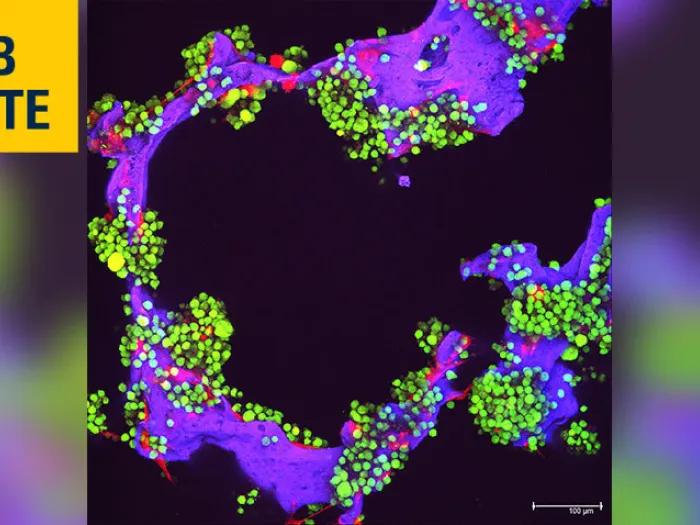
For the first time, researchers at Michigan Medicine have demonstrated that a cellular process known to be involved in cancer and other diseases also plays an important role in the growth of at least one type of normal mammalian cell.
Macropinocytosis is an ancient process by which cells take in large volumes of material from outside of themselves. The process is hijacked by certain cancer cells to gather proteins to break down into cellular fuel. The process is also exploited by viruses and bacteria to enter cells.
New findings from the lab of Philip D. King, Ph.D., professor of Microbiology & Immunology at the U-M Medical School and a member of the U-M Rogel Cancer Center, showed that both primary mouse and human T cells — which play a central role in the immune response — engage in macropinocytosis to support normal cell growth.
"Our research suggests that this may be a more general phenomenon, applicable to the growth of other primary cell types," says study lead author John Charpentier, a graduate student in King's lab.
King adds, "Blocking macropinocytosis in cancer might not represent an effective means of treating cancer since it is predicted that the generation of an anti-tumor T cell immune response would also be inhibited using this approach."
Paper cited: "Macropinocytosis drives T cell growth by sustaining the activation of mTORC1," Nature Communications. DOI: 10.1038/s41467-019-13997-3

Health Lab
Explore thousands of health news & research stories by visiting the Health Lab homepage for more.
Media Contact

Public Relations
Department of Communication at Michigan Medicine
Stay Informed
Want top health & research news weekly? Sign up for Health Lab’s newsletters today!
Featured News & Stories
Studying a protein modification process in worms provides potential insights for human health
How the western diet and gut bacteria can lead to scarring, vessel damage in scleroderma
Early blood tests predict death, severe disability for traumatic brain injury
Researchers find link between genetic mutations and cancer treatment resistance
Thyroid hormone treatment intensity linked to increased risk of cardiovascular mortality