Study identifies a signaling cascade behind retina regeneration in zebrafish
The findings could help inform treatments for blindness in humans.
10:56 AM
Author |
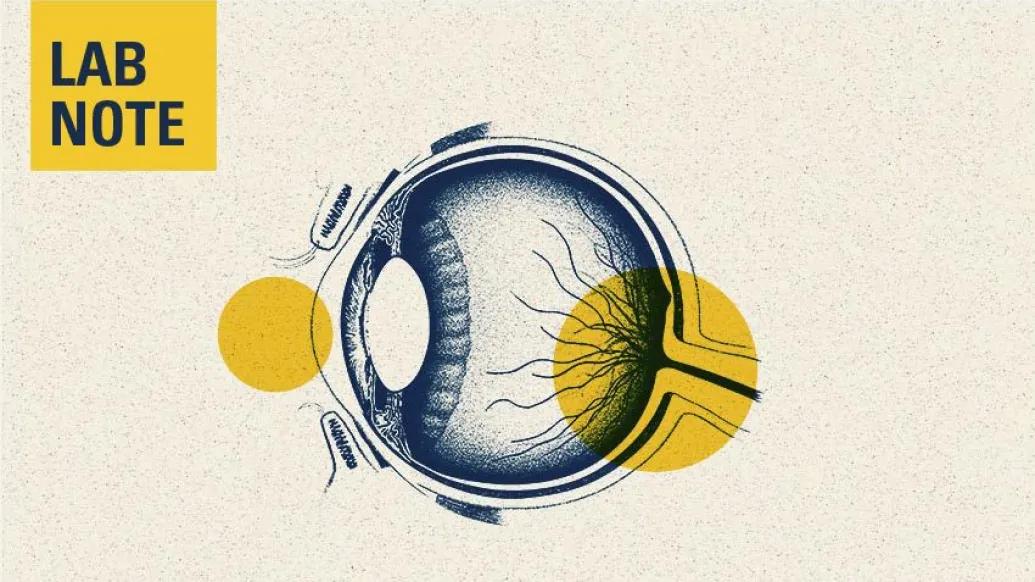
Blinding eye diseases like macular degeneration, diabetic retinopathy, and glaucoma are accompanied by the death of neurons in the retina that leads to blindness.
Although several strategies are being investigated for restoring sight to the people who are blind, including using stem cells from the body to regenerate retinal neurons lost to injury or disease. While regenerative stem cells have not been identified in the adult human retina, they have been found in zebrafish.
Experts at U-M Medical School are investigating how cells called Muller glial cells, responsible for regenerating a damaged zebrafish retina, acquire stem cell properties with the hope of eventually developing techniques to encourage human retinas to regenerate.
Building on their work that identified the cells, a new study reported in Proceedings of the National Academy of Science, led by postdoctoral fellow Sumitra Mitra, Ph.D., and research lab specialist Sulochana Devi, Ph.D., in the lab of Daniel Goldman, Ph.D., investigates whether cells other than dying neurons influence Muller glia's regenerative response.
Interestingly, these cells are present in both the zebrafish and human retina, and in both species, they contribute to retinal structure and homeostasis; however, only in zebrafish do these cells respond to retinal neurodegeneration by adopting stem cell properties that allow them to regenerate retinal neurons.
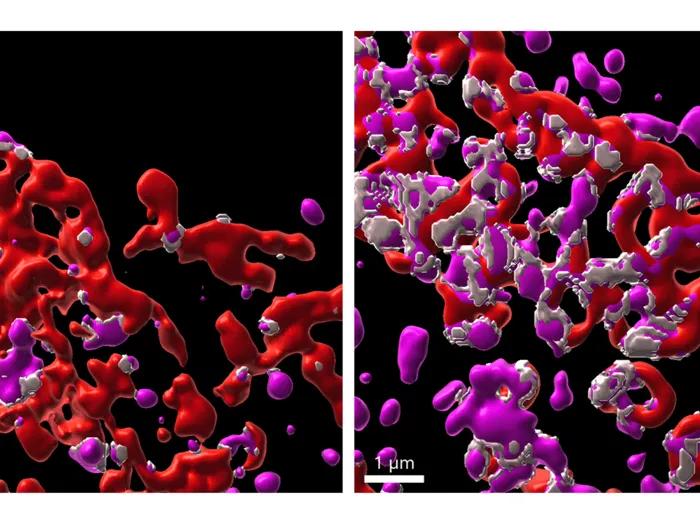
With the new study, they discovered a Vegf-Notch signaling system that is activated in the injured retina and connects Muller glia with immune cells and cells lining blood vessels. Importantly, they found that each of these cell types contributes to the gene expression changes necessary for Muller glial cell reprogramming and acquisition of stem cell properties.
Interestingly, this signaling system is not found in mammals and thus, might help explain why the human retina does not regenerate.
This work was funded by the Gilbert Family Foundation Vision Restoration Initiative and the NEI.
Paper cited: "Vegf signaling between Müller glia and vascular endothelial cells is regulated by immune cells and stimulates retina regeneration," PNAS. DOI: 10.1073/pnas.2211690119

Health Lab
Explore thousands of health news & research stories by visiting the Health Lab homepage for more.
Media Contact

Public Relations
Department of Communication at Michigan Medicine
Stay Informed
Want top health & research news weekly? Sign up for Health Lab’s newsletters today!
Featured News & Stories
New anti-cancer strategy shows promise in preclinical studies

More babies with hypoplastic left heart syndrome surviving critical period between surgeries

Mobile health app improves heart failure medication use, dosing after hospitalization

How U-M helped bring depression out of the darkness
Treatment with norrin helped maintain healthy blood vessels, preserved vision in diabetic rats