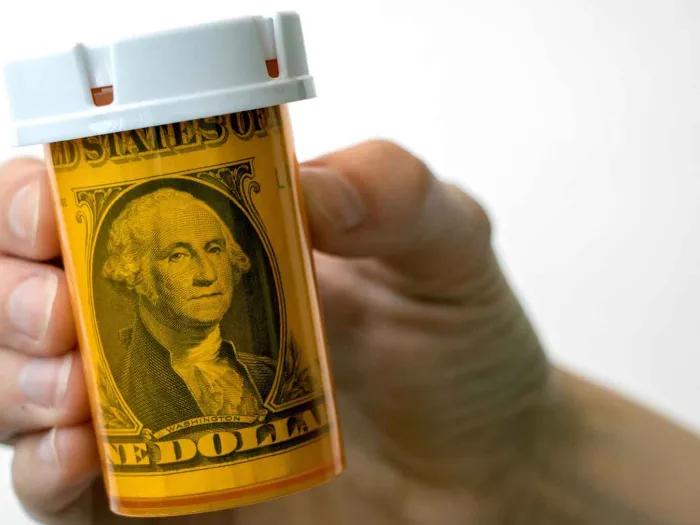
Nearly 1/3 of people with chronic pain turn to cannabis
More than half of adults surveyed reported that the use of cannabis led them to decrease their pain medications.
12:42 PM
Author |

As more states legalize cannabis (also known as marijuana) for medical and recreational use, increasing numbers of people are experimenting with it for pain relief. According to a study published in JAMA Network Open, almost a third of patients with chronic pain reported using cannabis to manage it.
More than half of the 1,724 adults surveyed reported that using cannabis led them to decrease the use of pain medications, including prescription opioids and over-the-counter analgesics. Cannabis also effected the use of other non-drug related pain relief methods to various degrees: some people indicated that cannabis led them to turn less often to techniques that many clinical guidelines recommend as first-line therapies such as physical therapy and cognitive behavioral therapy, while others with chronic pain increased their use of such treatments.
“The fact that patients report substituting cannabis for pain medications so much underscores the need for research on the benefits and risk of using cannabis for chronic pain,” said Mark Bicket, M.D., Ph.D., assistant professor in the Department of Anesthesiology and co-director of the Michigan Opioid Prescribing Engagement Network.
Paper cited: “Use of cannabis and other pain treatments among adults with chronic pain in US states with medical cannabis programs,” JAMA Network Open. DOI: 10.1001/jamanetworkopen.2022.49797

Health Lab
Explore thousands of health news & research stories by visiting the Health Lab homepage for more.
Media Contact

Public Relations
Department of Communication at Michigan Medicine
Stay Informed
Want top health & research news weekly? Sign up for Health Lab’s newsletters today!
Featured News & Stories
Timing is of the essence for RNA during stress
New anti-cancer strategy shows promise in preclinical studies
More babies with hypoplastic left heart syndrome surviving critical period between surgeries

How U-M helped bring depression out of the darkness
Immune system protein is a cancer killer on its own, new study shows