Multiethnic Tumor Models Aid in the Search for New Approaches Against Triple-Negative Breast Cancer
Breast cancer stem cells from patients with different racial and ethnic backgrounds showed important differences in activation of immune response-related genes in mouse models.
2:51 PM
Author |
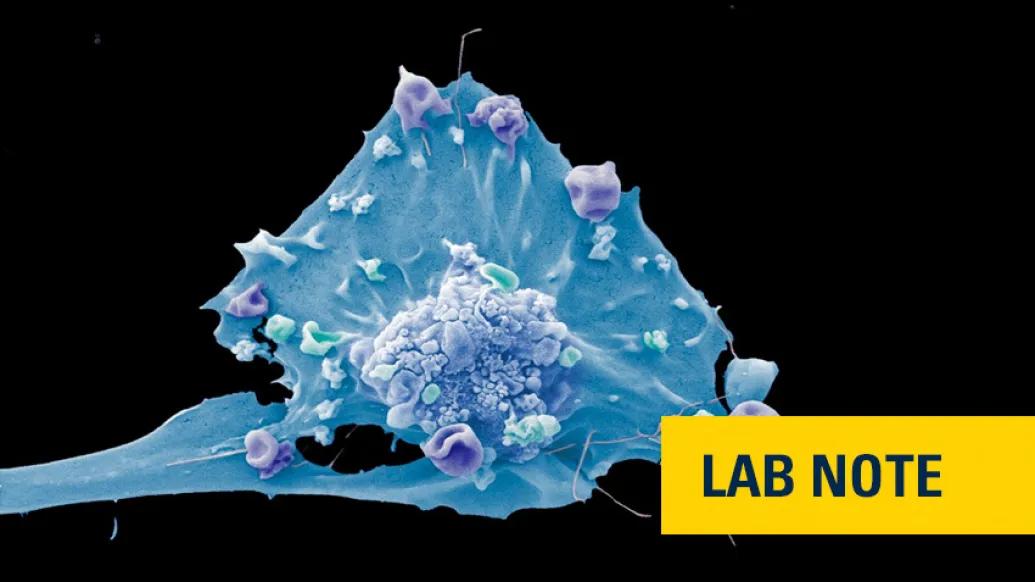
A team of researchers from the University of Michigan and the Henry Ford Health System is shedding new light on important differences in triple-negative breast cancer tumors from African, African American and white patients.
The work was conducted using mouse xenograft models implanted with patient breast tumors.
The findings, which recently appeared in Breast Cancer Research and Treatment, point toward several genes with significantly higher activity in tumors from Ghanaian and African American women — which could potentially serve as targets for developing new drugs.
Triple-negative breast cancer is more aggressive than other types of the disease and lacks targeted therapeutic options. It accounts for up to 25% of breast cancers in African American women and up to 80% in Ghanaians, which contributes to racial and ethnic disparities in overall outcomes.
"We found that women with African ancestry had enrichment of genes related to immune responses and processes in their cancer's stem cells," says study first author Evelyn M. Jiagge, M.D., Ph.D., a researcher at the Henry Ford Cancer Institute, and a trainee of senior author Sofia Merajver, M.D., Ph.D., director of the Breast and Ovarian Cancer Risk and Evaluation Program at the U-M Rogel Cancer Center and of co-author Max Wicha, M.D., director of the Forbes Institute for Cancer Discovery at U-M. "These genes included PD-L1, a marker of a critical checkpoint in cellular immune response which is thought to be a key molecule that helps tumors to suppress the body's natural immune response."
The work suggests further study into the role of immune-related genes in breast cancer stem cells may help develop new approaches to treat triple-negative breast cancer, and thus to help reduce survival disparities in women with African ancestry, Merajver adds.
Paper cited: "Multiethnic PDX models predict a possible immune signature associated with TNBC of African ancestry," Breast Cancer Research and Treatment. DOI: 10.1007/s10549-021-06097-8

Health Lab
Explore thousands of health news & research stories by visiting the Health Lab homepage for more.
Media Contact

Public Relations
Department of Communication at Michigan Medicine
Stay Informed
Want top health & research news weekly? Sign up for Health Lab’s newsletters today!
Featured News & Stories

Online resources and coaching helped people seek genetic testing for cancer

The AI is listening: Implications of machine generated clinical notes on health care
Comprehensive DNA sequencing reveals hidden drivers of cancer

Liver cancer can be preventable. Do you know the treatable risk factors?

What’s changing in Medicaid and what can you do?