Low levels of electrical current can block pain
The method could be an alternative to opioids and other medication.
5:18 PM
Author |
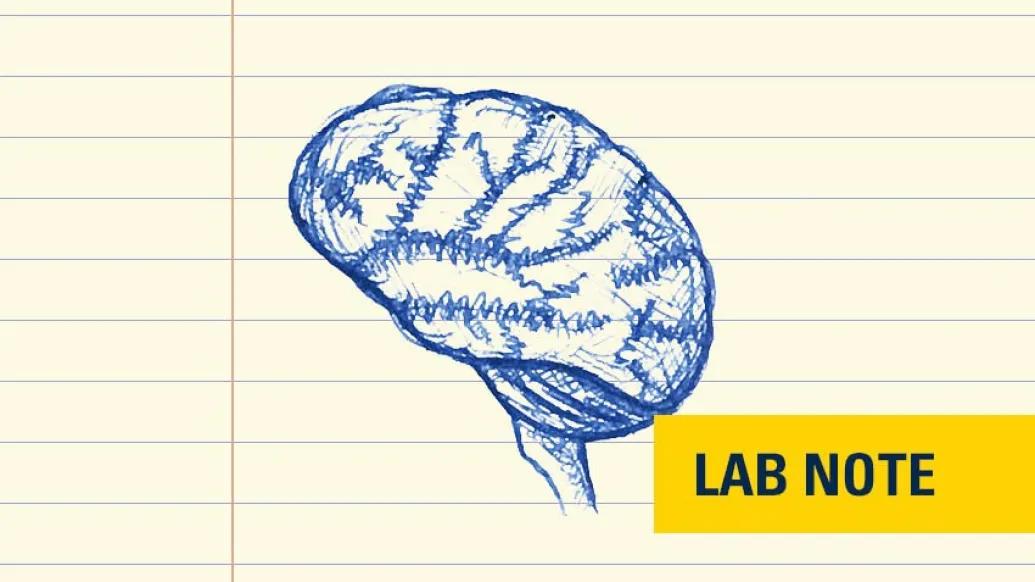
A team from King's College London, University of Michigan and Presidio Medical Inc., have published a study in Science Translational Medicine, demonstrating that low levels of electrical current can be used to inhibit pain signals in nerves from ever reaching the brain, resulting in a marked decrease in the levels of pain experienced by participants.
Previous studies have shown that electrical neuromodulation (the alteration of pain perception through targeted delivery of electrical impulses) can be used as an alternative to medication and more specifically opioids. Previously, electrical approaches relied on activating neural circuits to indirectly depress pain signaling. The novel ULF treatment instead directly inhibits pain signals before they can be relayed to the brain.
Researchers in the laboratory of Scott Lempka, Ph.D., assistant professor of biomedical engineering and anesthesiology, performed the computational modeling in the study, the goal of which was to investigate the potential scientific mechanisms of the immediate and delayed conduction block effects observed in the preclinical experiments and to provide insights into the dramatic pain relief observed in the clinical trial.
Said Lempka, "This technology is extremely exciting because it provides a novel approach to treat chronic pain. It has the ability to directly inhibit pain signaling, while other neuromodulation approaches typically rely on activating neural circuits to more indirectly reduce pain transmission."
Paper cited: "Neuromodulation using ultra low frequency current waveform reversibly blocks axonal conduction and chronic pain," Science Translational Medicine. DOI: 10.1126/scitranslmed.abg9890

Health Lab
Explore thousands of health news & research stories by visiting the Health Lab homepage for more.
Media Contact

Public Relations
Department of Communication at Michigan Medicine
Stay Informed
Want top health & research news weekly? Sign up for Health Lab’s newsletters today!
Featured News & Stories
A risky combination of medicines gets riskier when a patient’s prescriptions come from two doctors

New anti-cancer strategy shows promise in preclinical studies

More babies with hypoplastic left heart syndrome surviving critical period between surgeries

How U-M helped bring depression out of the darkness
Immune system protein is a cancer killer on its own, new study shows