
Cells are surprisingly inefficient at RNA splicing
Researchers say it leaves most intronic sequences untouched as transcripts are being synthesized.
2:44 PM
Author |
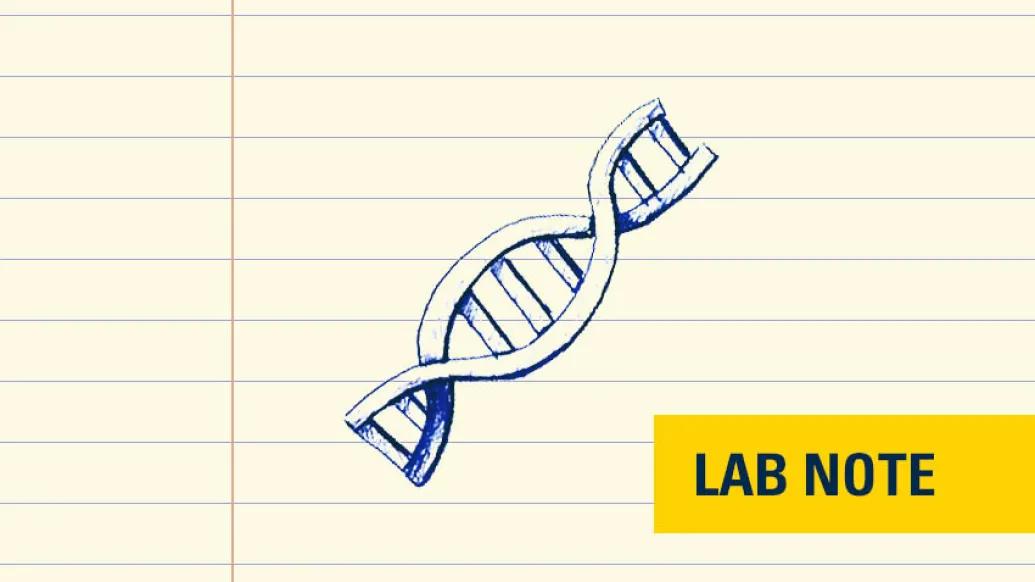
In an article published in the journal RNA, Karan Bedi, Ph.D., a bioinformatician in Mats Ljungman's lab, Department of Radiation Oncology at the University of Michigan Medical School, found that splicing, the cellular process through which RNA is turned into mature messenger RNA by removing sequences known as introns, is quite inefficient.
Bedi and her colleagues found that splicing leaves most intronic sequences untouched as the transcripts are being synthesized.
"Splicing is an incredibly complex process because of the great number of proteins involved that repeatedly need to assemble and disassemble at each junction. Also, the speed at which transcription generates RNA is quite fast so the splicing process has to be well organized. Many steps can go wrong and lead to various pathologies, which is why it is so important to have a better understanding of how splicing happens and how it is regulated," said Bedi.
Paper cited: "Cotranscriptional splicing efficiencies differ within genes and between cell types," RNA. DOI: 10.1261/rna.078662.12

Health Lab
Explore thousands of health news & research stories by visiting the Health Lab homepage for more.
Media Contact

Public Relations
Department of Communication at Michigan Medicine
Stay Informed
Want top health & research news weekly? Sign up for Health Lab’s newsletters today!
Featured News & Stories

Online resources and coaching helped people seek genetic testing for cancer

The AI is listening: Implications of machine generated clinical notes on health care
Comprehensive DNA sequencing reveals hidden drivers of cancer

Many older adults make Medicare decisions quickly and most don’t change plans, poll finds

‘Molecular glue’ stabilizes protein that inhibits development of non-small cell lung cancer and uterine cancer

