Biomarker Could Help Identify Difficult-to-Diagnose Kidney Cancer Subtype
MiTF renal cell carcinoma can masquerade as other subtypes and may not respond as well to front-line therapies.
10:29 AM
Author |
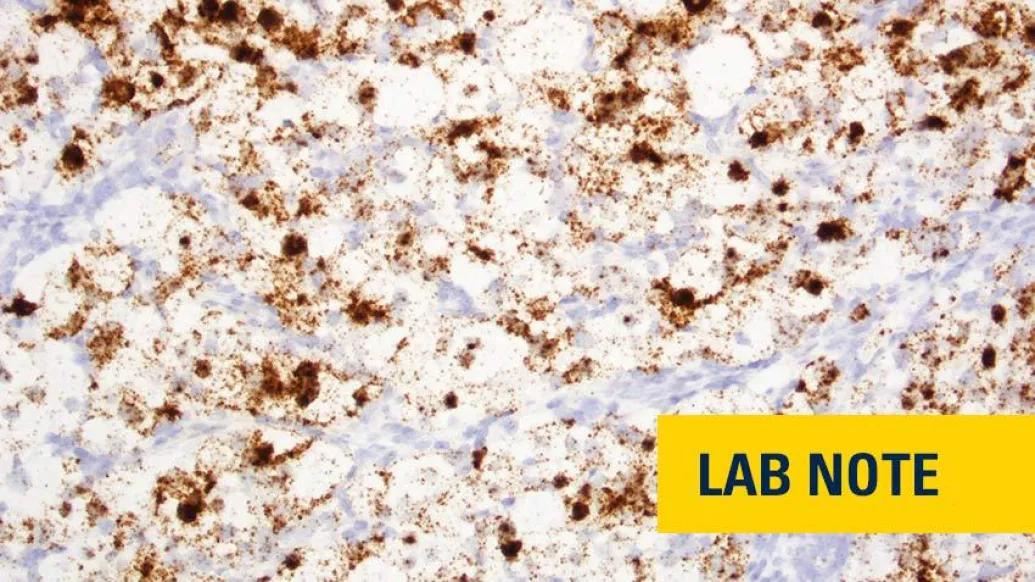
High expression levels of the gene TRIM63 can serve as an accurate and sensitive biomarker of a subtype of kidney cancer known as microphthalmia-associated transcription factor family aberration-associated renal cell carcinomas — or MiTF renal cell carcinoma.
That's according to a new, multi-institution study led by researchers at the University of Michigan Center for Translational Pathology and Department of Pathology. The findings appear in Modern Pathology.
MiTF aberrations occur in about 5% of adult kidney cancers and 40% of pediatric kidney cancers, and can be difficult to diagnose solely through clinical features and by looking at the cells under a microscope, explains study senior author, Rohit Mehra, MBBS, a clinical professor of pathology and member of the U-M Rogel Cancer Center.
"It's important to distinguish MiTF from other subtypes of kidney cancers — clear cell, papillary and chromophobe — because these tumors may not respond well to standard, front-line treatments and may respond better to other approaches," he says.
MiTF renal cell carcinoma is sometimes known as translocation renal cell carcinoma.
Using a technique known as RNA in situ hybridization, the researchers evaluated tissue samples from more than 175 cases — including 31 confirmed MiTF cases and 70 suspicious cases. They found TRIM63 mRNA was highly expressed across all three major subtypes of MiTF (TFE3 translocation, TFEB translocation and TFEB amplification), but had very little or no expression in other types of kidney cancer. The results were compared to those obtained through the current clinical standard, known as fluorescence in situ hybridization, or FISH.
"Our results suggest this new biomarker, in combination with standard assays, can help improve the accuracy and efficiency in diagnosing this challenging kidney cancer subtype," Mehra says.
The study's lead authors are Xiao-Ming Wang, Ph.D. and Yuping Zhang, Ph.D., both of U-M.
Study cited: "TRIM63 is a sensitive and specific biomarker for MiT family aberration-associated renal cell carcinoma," Modern Pathology. DOI: 10.1038/s41379-021-00803-z

Health Lab
Explore thousands of health news & research stories by visiting the Health Lab homepage for more.
Media Contact

Public Relations
Department of Communication at Michigan Medicine
Stay Informed
Want top health & research news weekly? Sign up for Health Lab’s newsletters today!
Featured News & Stories

Intuition pushed mom to keep checking for breast cancer
Immune system protein is a cancer killer on its own, new study shows

Online resources and coaching helped people seek genetic testing for cancer

Liver cancer can be preventable. Do you know the treatable risk factors?

Prostate cancer and hereditary risk: A doctor explains the connection