Why Are Hep C Infections Skyrocketing? Opioid Abuse to Blame
A spike in hepatitis C infections is directly tied to the rise in opioid addiction, putting vulnerable people at a high risk of contracting the deadly virus.
7:00 AM
Author |
The opioid epidemic claims 91 American lives each day, particularly young adults.
MORE FROM MICHIGAN: Sign up for our weekly newsletter
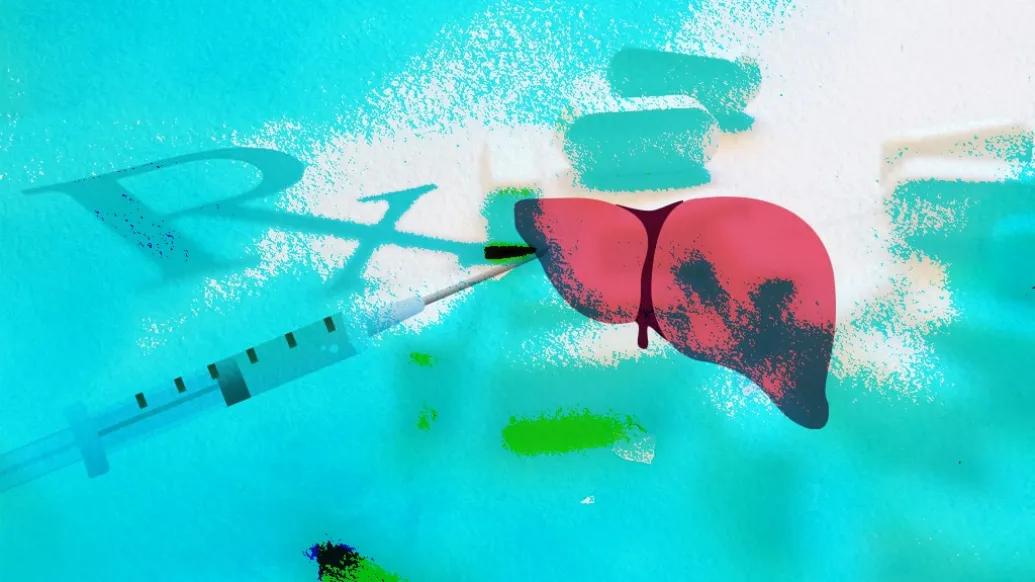
It also has catapulted a form of liver disease back into the spotlight: New hepatitis C cases have nearly tripled between 2010 and 2015, according to the Centers for Disease Control and Prevention.
The growing use of opioids, a class of drugs used to reduce pain, is to blame. These drugs include prescription medicines such as OxyContin, Vicodin, morphine and fentanyl, as well as the illegal form of it, heroin.
People who use them, the CDC found, are most at risk of an acute hepatitis C infection.
"We see at least one or two patients a month coming into our hospital with an acute hepatitis C infection, and they are frequently young people who are using and experimenting with illicit drugs," says liver specialist Robert Fontana, M.D., a professor of medicine and the medical director of Michigan Medicine's liver transplantation program.
Hep C and drug use: A deadly problem
Hepatitis C is a liver-damaging virus that, without treatment, can lead to liver failure and liver cancer. It's currently the deadliest infectious disease in the United States, killing 20,000 people in 2015.
It spreads when people share blood, including swapping infected needles or other paraphernalia to inject drugs like heroin, during sex and through childbirth.
Although there is no preventive vaccine, physician-researchers have found a medicinal cure that is effective in up to 95 percent of hepatitis C cases. With these effective but expensive antiviral medications, doctors thought they were closer to eradicating a virus that affects 3 to 4 million Americans.
But the opioid epidemic has reversed much of that progress, and hepatitis C infections have increased.
"We have great cures for it, but the reservoir is increasing again and that's not good," Fontana says.
Awareness and action
Ironically, patients with immediate symptoms may be the lucky ones, Fontana suggests.
SEE ALSO: What Is Hepatitis? Common Types and Treatments Demystified
Because hepatitis C is often asymptomatic, people might have it for decades until another health problem prompts a blood screening test. But liver damage and cirrhosis may have set in by this point.
Tackling the problem, then, requires both pre-emptive and reactive measures.
"If we get newly infected patients in early, we can work on the substance use disorders that caused this serious liver disease in the first place," Fontana says.
"More importantly, we want to get the word out about the hazards of illicit drug use — including overdoses and acquisition of infections like hepatitis C, hepatitis B and HIV — which can lead to a multitude of health problems."
To make an appointment with Michigan Medicine's liver clinic, dial 844-233-0433.

Health Lab
Explore thousands of health news & research stories by visiting the Health Lab homepage for more.
Media Contact

Public Relations
Department of Communication at Michigan Medicine
Stay Informed
Want top health & research news weekly? Sign up for Health Lab’s newsletters today!
Featured News & Stories

Liver cancer can be preventable. Do you know the treatable risk factors?

The Care Ecosystem: Supporting People Living with Dementia and Their Families

Foundation gift inspires additional gifts to strengthen youth mental health care

How gastroenterology nutrition therapy has evolved

College of Pharmacy alum advances U-M Medical School addiction research