
‘You Can Regain Happiness’: Treating Mental Health After Heart Surgery
Heart health is linked to emotional well-being — and vice versa. Addressing both elements, one patient learned, is crucial after a cardiac event.
7:00 AM
Author |

For one heart attack survivor — a retired university professor living in Michigan — having open-heart surgery to repair blockages in his arteries in 2000 and again in 2009 was lifesaving.
MORE FROM MICHIGAN: Sign up for our weekly newsletter
But what should have prompted a hopeful outlook instead left him with anxiety and other symptoms associated with post-traumatic stress disorder (PTSD).
The man, now 79, had no warning when he suffered a heart attack and was later diagnosed with significant blockages by University of Michigan Frankel Cardiovascular Center cardiologist Kim Eagle, M.D.
Despite two successful surgeries, the patient couldn't stop thinking about the suddenness of his condition.
"I had no symptoms or warnings that anything was wrong with my heart. This became my trauma," he says, admitting that he worried constantly about having another heart attack and dying. "No one could convince me that it wouldn't happen again."
He tried different psychotherapies to help manage the anxiety but felt they neglected his fundamental issues: "the trauma of realizing I was not in control of what was going on in my mind and my heart."
A prevalence of PTSD
This heart attack patient, who asked to keep his identity private, isn't alone.
SEE ALSO: 7 Surprising Things That Can Hurt Your Heart [Infographic]
Studies reveal that 1 in 8 heart attack survivors experiences a PTSD reaction. Although PTSD is usually associated with extreme trauma, heart attack survivors can experience similar symptoms — including sleep disorders, panic attacks, irritability or anger, depression and difficulty concentrating.
That's why getting help is important, says Michelle Riba, M.D., M.S., a University of Michigan psychiatry professor and associate director of the U-M Comprehensive Depression Center.
Cardiovascular and mental health, after all, are linked to each other.
"We know that depression and anxiety are risk factors for heart disease," says Riba. "And a patient's anxiety and stress may also be a result of their cardiac event."
Restoring quality of life
In the professor's case, says Riba, "PTSD symptoms were significantly impacting his quality of life. He was having trouble sleeping and was very much afraid and on edge."
At first, Riba recommended educational books and articles about heart disease and PTSD: "This particular patient is an educator and scientist and wanted to start with what he is good at — reading the available literature and trying to understand mechanism and theory."
The strategy isn't universal, however.
"The overall goal is to help patients understand where their anxiety is coming from and to teach them techniques for managing it," says Riba, who carefully evaluates each client to determine the best course of action. "Treatment can be very complicated because each patient is different."
Still, she adds, many people find comfort in understanding their health condition and realizing that many others face the same issues.
Another significant approach is for patients to realize that a feasible treatment goal might be to improve the quality of life rather than eradicate all symptoms.
"This is often a relief for patients and an important objective of their care," Riba says.
The professor, happy to have found coping mechanisms, wants to send a message to fellow heart patients who might struggle or hesitate to address their feelings.
"Be proactive in seeking healing instead of suffering in silence in the face of social taboos," he says. "You can regain happiness in your life."
Cardiac rehab and emotional support
Similar to the support that Riba provides, the University of Michigan Cardiac Rehabilitation Program is working to meet the emotional needs of patients who have suffered a cardiac event.
SEE ALSO: Debunking Cardiac Rehab Myths: Why Some Patients Don't Go (and Why They Should)
"Many cardiac rehab facilities focus largely on changes in diet and exercise," says Carolyn Palka, exercise physiologist at the U-M Frankel Cardiovascular Center. "At U-M, our Patient and Family Centered Care Program focuses on removing barriers between medical professionals and patients by valuing the concerns and opinions of patients and their families."
Such conversation has evolved over time.
"Through the program, our patients encouraged us to direct attention to the connection between the heart and mind, specifically the emotional aspects of having a cardiac event," Palka says.
Research shows that depression, anxiety, hostility and stress are strong predictors of health outcomes in patients with heart disease, adds Palka.
So the observation starts early: "Screening patients during orientation enables us to identify their emotional needs early in the process and allows our multidisciplinary cardiac rehab staff to provide necessary resources," she says.
Palka also stresses the importance of family support and physical presence during a patient's cardiac rehabilitation as invaluable.

Health Lab
Explore thousands of health news & research stories by visiting the Health Lab homepage for more.
Media Contact

Public Relations
Department of Communication at Michigan Medicine
Stay Informed
Want top health & research news weekly? Sign up for Health Lab’s newsletters today!
Featured News & Stories

Giving Voice to Lived Experience in Dementia Research

How U-M helped bring depression out of the darkness
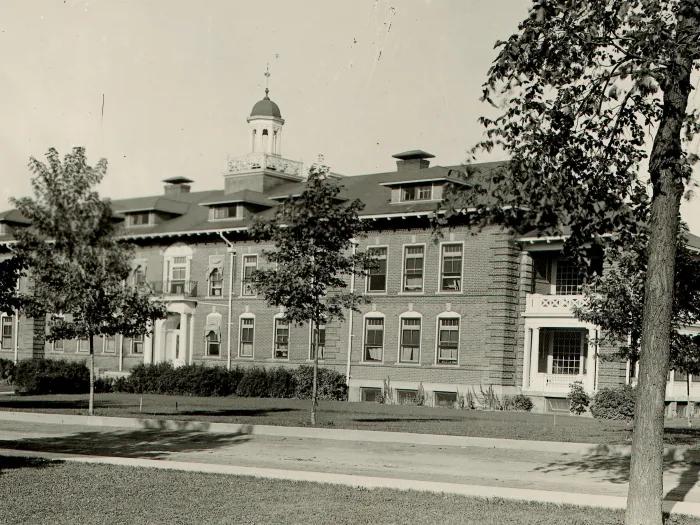
Exploring the mind’s mysteries: 130 years of mental health care & innovation at U-M

Small daily activities may help ease dementia caregivers’ stress

5 ways to manage politically induced stress

