What you should know about counseling and testing for genetic heart disease
A Michigan Medicine genetic counselor shares answers to some of the questions patients most frequently ask about inherited heart conditions
7:00 AM
Author |
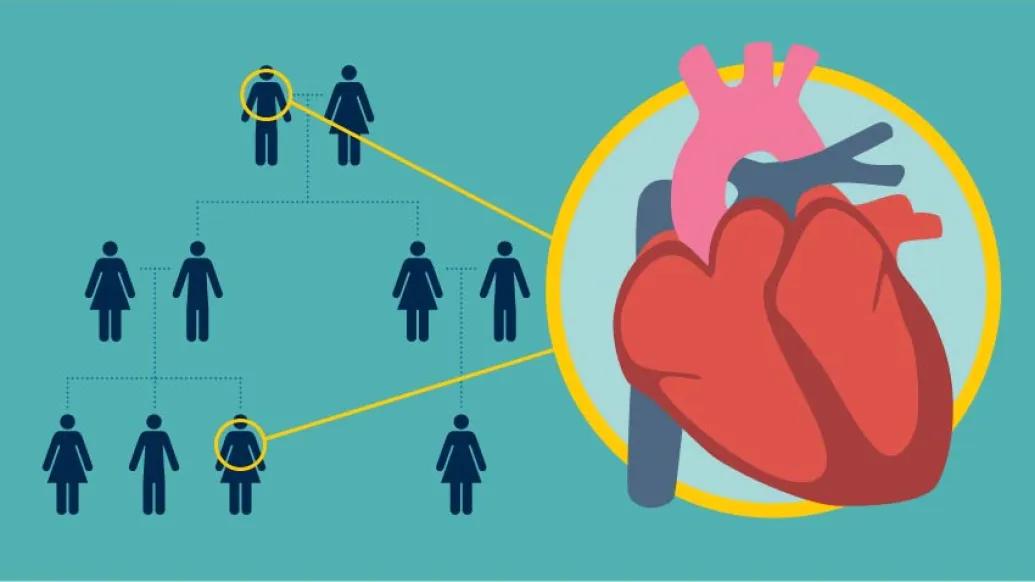
Heart disease often runs in families, meaning certain characteristics of a family history could point to a genetic heart disorder, such as Marfan syndrome, Loeys-Dietz syndrome or hypertrophic cardiomyopathy.
Some of these red-flag familial characteristics include:
- Sudden cardiac arrest, unexplained death at a young age or death by an unexplained accident or drowning
- Diagnosis of heart failure before age 50
- Unexplained fainting episodes or an abnormal heart rhythm at a young age
- More than one relative with the same type of heart disease
If you or someone in your family has experienced these characteristics, talk to your doctor for more information.
If you are diagnosed with a genetic heart condition, you probably have questions and concerns about the condition, along with worries about passing it on to other family members.
Genetic counselor Rajani Aatre, M.S., M.Sc., works with patients diagnosed with genetic heart conditions at the University of Michigan Frankel Cardiovascular Center. She shares some of the most common questions patients ask, as well as some guidance.
What could I have done to prevent my heart condition?
Aatre: We don't control the genes we inherit or the genes we pass on. That is determined at the time of conception. But knowing about family history and genetic risks can help individuals be proactive about their health.
What does this mean for my children? What are their chances of inheriting this gene?
Aatre: The chance of inheriting any gene from a parent is 50 percent. The possibility that this gene will have an adverse impact depends on the gene. Simply inheriting a mutated gene is not a guarantee that a person will develop the same cardiac condition. Even within a family, the same mutated gene can cause different problems at different ages.
Does everyone need to have genetic counseling?
Aatre: Genetic counseling is generally recommended prior to genetic testing to discuss how the testing might impact you and your family. Genetic counseling can be helpful in figuring out a person's chance of inheriting a familial risk for a particular cardiac condition.
When I work with patients, for example, I get a detailed family history, determine the best options for care and find out who else in the family is at risk.
Frequently Asked Questions
What is involved with genetic testing?
Aatre: Genetic testing is usually done via a simple blood test, first on the family member who has been diagnosed with an inherited heart condition (the affected person). This test identifies the mutation in the DNA responsible for the individual's heart condition. Once the mutation has been identified, other family members can be tested to find out if they've inherited the mutation and could develop the genetic heart condition. Other family members can sometimes be tested from a saliva sample as well.
What if I choose not to undergo genetic testing?
Aatre: Genetic testing is a personal choice that depends on an individual's preferences and what their family wishes to know. Choosing not to undergo genetic testing will not impact the quality of care a person receives. However, sometimes the results of a genetic test can alter medical management and intervention.
What are the ethical concerns of testing for a genetic disorder?
Aatre: Some people worry that the results of genetic testing could be used to discriminate against them or family members. Other people are concerned about privacy issues and fear that test results might be made public. Employability and health insurance are currently protected against genetic discrimination by a specific law.
But life insurance, disability insurance and long-term care insurance are not protected, and this information may be considered in determining eligibility and rates. It is advisable to have these policies be in place prior to predictive/presymptomatic genetic testing. This does not apply to people who are affected with the condition, as that supersedes the genetic diagnosis.
Title II of the Genetic Information Nondiscrimination Act of 2008 (GINA) prohibits the use of genetic information in making employment decisions, restricts employers and other entities covered by Title II (employment agencies, labor organizations and joint labor-management training and apprenticeship programs — referred to as "covered entities") from requesting, requiring or purchasing genetic information, and strictly limits the disclosure of genetic information. Additional information about this law is available at GINAhelp.org.
For more information or to make an appointment for genetic counseling or testing at the Frankel Cardiovascular Center, call 888-287-1082.

Health Lab
Explore thousands of health news & research stories by visiting the Health Lab homepage for more.
Media Contact

Public Relations
Department of Communication at Michigan Medicine
Stay Informed
Want top health & research news weekly? Sign up for Health Lab’s newsletters today!
Featured News & Stories

Jalen Hurts’ blood clot diagnosis: doctors answer common questions

Could a diabetes medication be the next wonder drug?

Gene editing is coming for common diseases. Are we ready?

Digital alerts support timely treatment decisions of critically ill cardiac patients

Is the United States Lagging Behind Europe in Memory Improvement?