TAVR Leads to ‘Beginning of a New Life’
Learn how this septuagenarian went from planning her funeral to dancing at her wedding, thanks to a procedure known as transcatheter aortic valve replacement, or TAVR.
7:00 AM
Author |
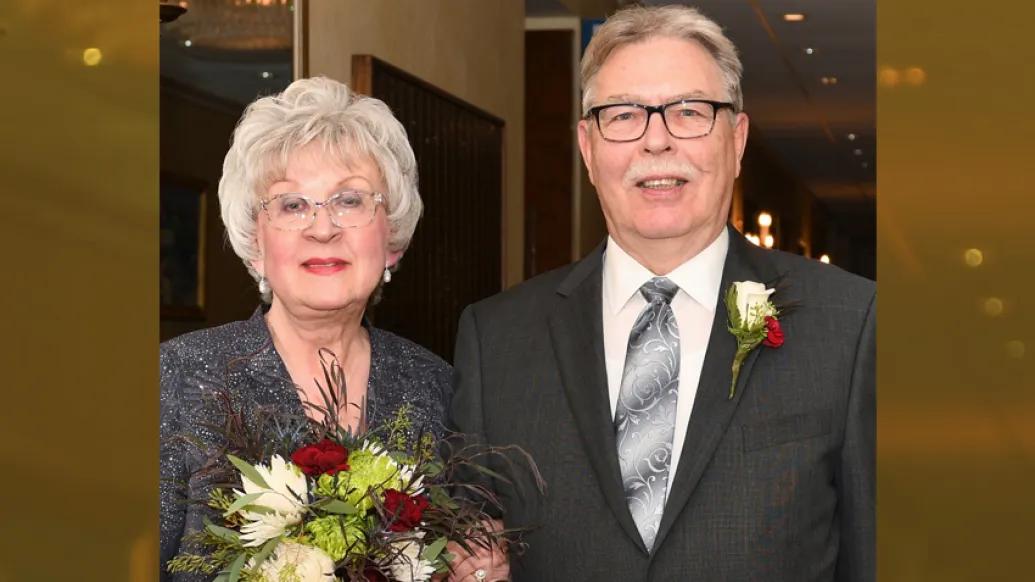
Helen Turner faced her worst nightmare when doctors told her she wasn't a candidate for open-heart surgery to replace her failing bioprosthetic aortic valve.
"We think you'll die on the operating table," are the words she recalls.
"They gave me 18 months to live."
LISTEN UP: Add the new Michigan Medicine News Break to your Alexa-enabled device, or subscribe to our daily audio updates on iTunes, Google Play and Stitcher.
Turner had undergone two open-heart surgeries: the first in 1995 to replace her aortic valve with a bioprosthetic (or tissue) valve due to aortic stenosis. Aortic stenosis is a condition in which the aortic valve does not open fully due to a thickening of the valve leaflets.
Surgery allowed the avid exerciser with no history of heart disease to get back to enjoying life. But 16 years later, when she began to experience shortness of breath and exhaustion, tests showed her bioprosthetic valve had failed, requiring another open-heart surgery.
SEE ALSO: Weighing TAVR vs. SAVR for Aortic Stenosis Treatment
The need for a replacement valve was not a surprise.
Over the span of approximately 10 to 15 years, a bioprosthetic valve degenerates and eventually fails, requiring the need for a replacement. But some patients experience deterioration of their valves much earlier.
In Turner's case, her second bioprosthetic valve began to fail after only six years. This is when doctors said they could no longer help due to her worsening condition and two previous open-heart surgeries.
Planning her funeral
Turner, then 70, says she went home to plan her funeral.
But just months later, after seeking a second opinion from Michigan Medicine cardiac surgeon George Deeb, M.D., and interventional cardiologist Stanley Chetcuti, M.D., Turner was given new hope.
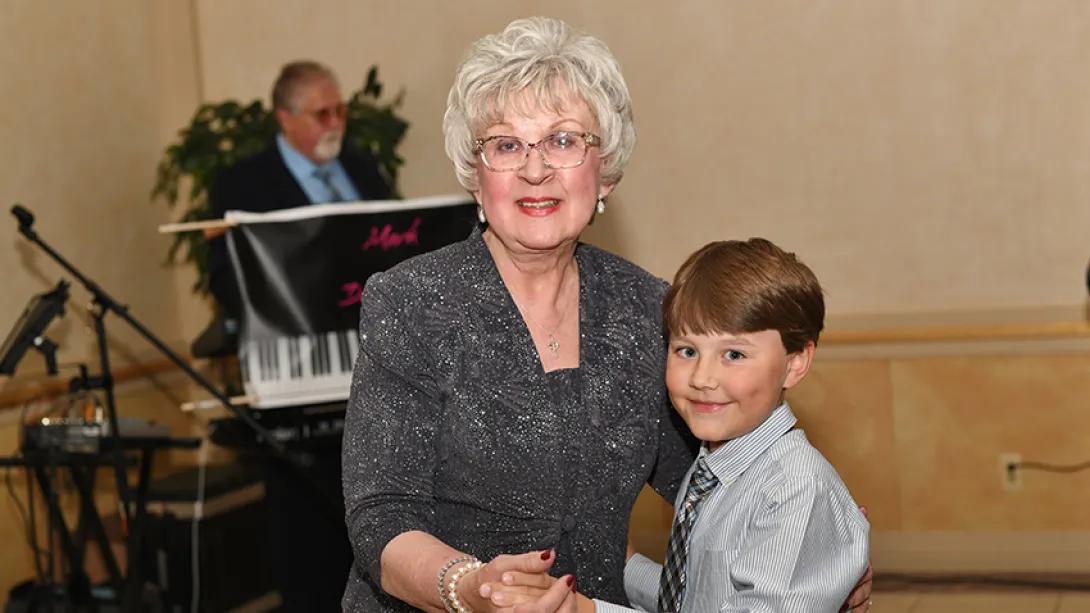
"I went from planning my funeral to dancing at my wedding," says the Warren, Michigan, resident and grandmother of William, 8, and Nicholas,12.
U-M's dedicated TAVR team determined that Turner was a candidate for a minimally invasive valve-in-valve transcatheter aortic valve replacement (TAVR) procedure to replace her failing bioprosthetic aortic valve.
Significant risk
While the standard treatment for aortic valve disease is open-heart surgery, repeat surgery carries significant risk, especially for older patients.
The TAVR procedure has proved to be a lifesaver for patients who aren't candidates for open-heart surgery, often due to multiple complications such as age, existing heart issues or prior open-heart surgeries.
Turner was such a patient.
"The TAVR team discussed her case and felt that with our experience and know-how with the valve-in-valve procedure we had a very good chance of a successful outcome," says Chetcuti. "She was all in and willing to fight."
But the surgery would not be without risk, including stroke, the possible need for a pacemaker and even death.
SEE ALSO: Minimally Invasive TAVR Stops a Life-Threatening Heart Condition
"With our great surgical team, expert support systems and extensive experience with the procedure, we were confident we could help this patient," says Chetcuti.
TAVR is performed through small incisions that enable a new valve to be inserted into the patient through a catheter in the groin. During the valve-in-valve TAVR procedure, the new valve is placed through a catheter into the location of the failed bioprosthetic valve, pushing the old valve leaflets aside.
The less invasive valve-in-valve TAVR option is often the best choice for patients like Turner who previously underwent open-heart surgery for a tissue valve. TAVR is also being offered to patients at moderate risk for open surgery, with clinical trials currently being conducted for low-risk patients.
Dramatic improvements
The benefits of TAVR over open-heart surgery are significant: less down time, faster recovery and, often, a shorter hospital stay. TAVR patients also report dramatic improvements in their quality of life soon after the procedure.
Turner can attest to this.
Her TAVR in 2017 was performed on a Friday and she was released Sunday morning. Soon after, plans to marry her fiancé, Ken, were in full swing. Today, at 72, she's enjoying life as a newlywed and feeling like a new person.
MORE FROM MICHIGAN: Sign up for our weekly newsletter
"We were extremely happy with the wonderful result in this patient," says Chetcuti. "When we saw her post-op, it was like seeing a new patient. Her heart function was 25 percent prior to the procedure and today it's 50 percent, which is the number we hope for."
Turner's perspective is equally optimistic: "This was a great end to my health issues and the beginning of a new life."

Health Lab
Explore thousands of health news & research stories by visiting the Health Lab homepage for more.
Media Contact

Public Relations
Department of Communication at Michigan Medicine
Stay Informed
Want top health & research news weekly? Sign up for Health Lab’s newsletters today!
Featured News & Stories

Is It Aortic Stenosis or Old Age? Symptoms to Know

Michigan man undergoes complex heart repair after last minute surgery cancelation

Distance, insurance, social factors may hinder access to lifesaving heart monitoring for children

Mobile health app improves heart failure medication use, dosing after hospitalization

Jalen Hurts’ blood clot diagnosis: doctors answer common questions