
The Many Triggers of Broken Heart Syndrome
Stress-induced cardiomyopathy can be caused by a variety of stressors, and some of them may surprise you.
5:00 AM
Author |
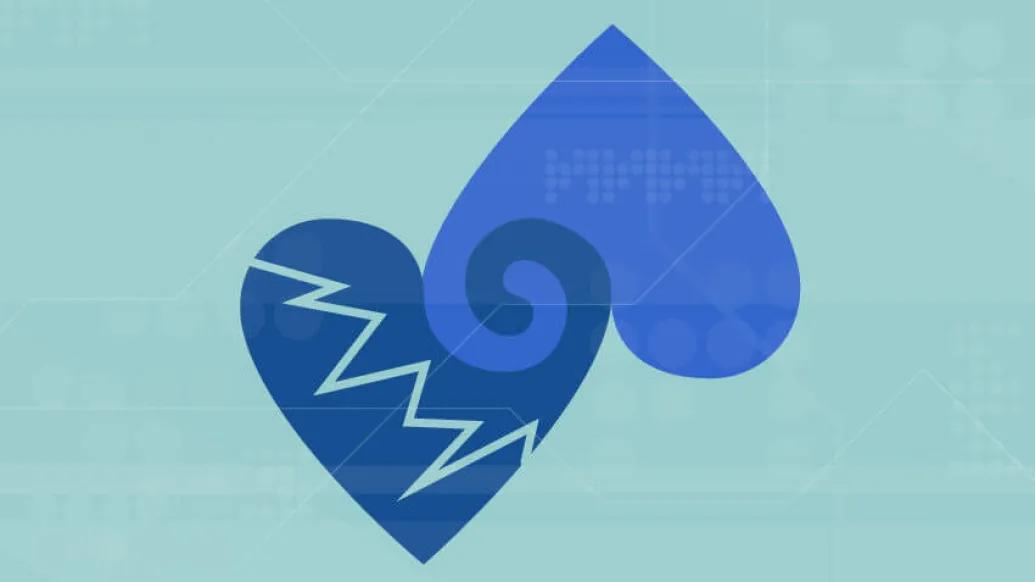
When you hear the term "broken heart syndrome" you might think of a husband and wife passing away within a short time of each other after many years of marriage.
But broken heart syndrome, also known as stress-induced cardiomyopathy or takotsubo syndrome, can happen after any type of stressful event, whether emotional, physical or economic, says Michigan Medicine cardiologist Abbas Bitar, M.D., noting that a person who undergoes a medical procedure may also present with the syndrome.
Broken heart syndrome, or stress-induced cardiomyopathy, happens when stress levels escalate, resulting in a surge of stress hormones and adrenaline produced by the body. Cardiomyopathy weakens the heart muscle, making it difficult for the heart to pump blood to other parts of the body. The result can be symptoms that mimic a heart attack.
MORE FROM MICHIGAN: Sign up for our weekly newsletter
"We check for blockages and clots in the arteries to ensure the patient isn't having an actual heart attack," says Bitar, adding that individuals experiencing broken heart syndrome tend to have healthy coronary arteries with no blockages or blood clots. "We often find that they are experiencing stress-induced cardiomyopathy or broken heart syndrome."
Not surprisingly, the emotional stress of COVID-19 has resulted in an increase in the number of cases of broken heart syndrome. According to a study published in the Journal of the American Medical Association, doctors at the Cleveland Clinic found there was a significant increase in the incidence of stress-induced cardiomyopathy during the COVID-19 pandemic when compared with pre-pandemic periods. However, while patients facing pandemic-related psychological, social and economic distress were diagnosed with stress-induced cardiomyopathy, none tested positive for the virus.
Although treatable, broken heart syndrome can lead to short-term heart muscle weakness as well as more serious issues such as congestive heart failure, low blood pressure, cardiogenic shock and heart rhythm issues. This is why it is important to be under the care of a doctor who is familiar with the syndrome.
The most common signs and symptoms of broken heart syndrome include:
• Intense angina or chest pain
• Shortness of breath
• dizziness
• Arrhythmia (irregular heartbeat)
"Once we rule out a heart attack, treatment includes medication based on how the patient is presenting," says Bitar. This may include medication for fluid buildup, high blood pressure or a rapid heartbeat and typically leads to a full recovery within a few days or weeks, he says, noting that women — particularly those who are post-menopausal and Caucasian — are more commonly diagnosed with the syndrome. Although the reason for this is not documented, it is believed that as middle age women grow older, the estrogen that helps protect the heart from the harmful effects of adrenaline, declines.
Approximately 1 to 2% of his patients come in with chest pain that mimics a heart attack, but is actually diagnosed as broken heart syndrome, says Bitar, who sees an average of five patients with the condition each year. "We support patients with the necessary medication, which typically leads to a full recovery."
Like Podcasts? Add the Michigan Medicine News Break on iTunes or anywhere you listen to podcasts.

Health Lab
Explore thousands of health news & research stories by visiting the Health Lab homepage for more.
Media Contact

Public Relations
Department of Communication at Michigan Medicine
Stay Informed
Want top health & research news weekly? Sign up for Health Lab’s newsletters today!
Featured News & Stories

For Patient Awaiting New Heart, a Ventricular Assist Device Brings Hope

Distance, insurance, social factors may hinder access to lifesaving heart monitoring for children
Mobile health app improves heart failure medication use, dosing after hospitalization
Jalen Hurts’ blood clot diagnosis: doctors answer common questions

Could a diabetes medication be the next wonder drug?

