Congestive Heart Failure — and a Transplant — ‘a Gift and a Wake-Up Call’
A young man finds the courage to pursue his lifelong passions after a diagnosis of congestive heart failure and a successful transplant surgery.
1:00 PM
Author |
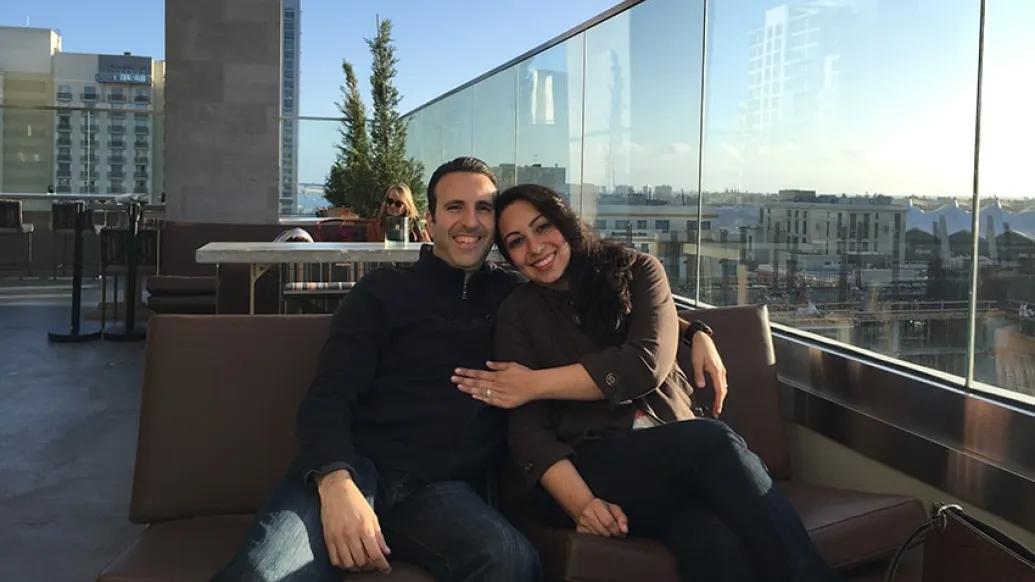
Diagnosed with congestive heart failure in 2004 at age 29, an illness that eventually led to a heart transplant, Patrick Salem considers the experience a gift that motivated him to live the life he had always imagined.
MORE FROM MICHIGAN: Sign up for our weekly newsletter
Nor would he change a thing about his long, difficult journey.
The seemingly healthy young man wasn't concerned more than a decade ago when he went to see his general practitioner in response to flu-like symptoms.
A chest X-ray, however, indicated an enlarged heart. Patrick, a native of Sterling Heights, Michigan, was referred to a local hospital for further examination.
He was quickly transferred by ambulance to the University of Michigan Frankel Cardiovascular Center, where a diagnosis was confirmed.
"The team there saved my life and treated me and my family with respect and dignity at the most vulnerable time of my life," says Patrick, now 41.
Congestive heart failure occurs when the heart muscle is not able to pump enough blood to meet the body's nutrition and oxygen needs. The blood begins to back up and, as a result, the veins, tissues and lungs become congested with fluid.
Symptoms of congestive heart failure include shortness of breath, fatigue, swelling in the legs, ankles or abdomen, persistent coughing, nausea and elevated heart rate.
About 5.7 million adults in the United States have heart failure, according to the American Heart Association, and nearly half of such patients die within five years of diagnosis.
An unexpected ailment
But Patrick didn't fit the typical profile of a heart failure patient.
Committed to exercise and healthy eating, he considered himself in peak physical condition.
Diseases that damage the heart, including coronary heart disease, heart attack, high blood pressure and diabetes, can increase a person's risk of congestive heart failure.
And certain behaviors also might contribute: smoking; eating foods high in salt, fat and cholesterol; a lack of exercise; and excess weight.
That's why Patrick says he was surprised when doctors told him that, over time, he had unknowingly trained his body to run at optimal efficiency, "even though my ejection fraction was only 8 percent."
Ejection fraction is a measurement of the percentage of blood leaving the heart each time it contracts. An ejection fraction of 55 percent or higher is considered normal.
Road to recovery
According to U-M cardiologist John Nicklas, M.D., the Frankel Cardiovascular Center offers three treatment paths for congestive heart failure, depending on the severity of the patient's disease:
-
For some, the disease can be managed with medication, diet and exercise.
-
If medication, diet and exercise are not adequate, patients might require a ventricular assist device, which helps the heart pump blood and can serve as a bridge to transplant.
-
Patients with severe heart failure typically need a heart transplant.
After being treated with drugs and therapy for four years, Patrick was told he needed a left ventricular assist device (LVAD) to keep his heart pumping until a donor heart became available.
SEE ALSO: TAVR Heart Procedure Performed on a Teen, a Rarity
An LVAD works by helping to pump blood from the left ventricle (the lower part of the heart) into the aorta, the main vessel that carries blood from the heart to the rest of the body.
The pump is implanted inside the body and is connected to a driveline that exits through a small site in the abdomen. This driveline is then connected to a small computer, called the controller, which keeps the pump working.
Patrick's LVAD was implanted in April 2008. Four months later, a donor heart became available, and he underwent a successful heart transplant.
It took less than a month for Patrick to recuperate from the LVAD and heart transplant surgeries — and two years to fully recover with the help of a strict diet and exercise regimen.
Living in the moment
Married and now living in Southern California, Patrick says his congestive heart failure and heart transplant made him realize how short and precious life is.
"My diagnosis gave me the courage I needed to live the life I had always wanted to live," he says. "It was a gift and a wake-up call. I'm so grateful because it awakened the dreamer in me."
Thanks to his care team and transplant, Patrick's life and health have returned to normal.
Still, he returns each year to U-M for testing and follow-up with Nicklas.
"I'm loyal to U-M," Patrick says, "and I'm profoundly grateful."

Health Lab
Explore thousands of health news & research stories by visiting the Health Lab homepage for more.
Media Contact

Public Relations
Department of Communication at Michigan Medicine
Stay Informed
Want top health & research news weekly? Sign up for Health Lab’s newsletters today!
Featured News & Stories

From patient to artist: A project close to her heart

Michigan man undergoes complex heart repair after last minute surgery cancelation
More babies with hypoplastic left heart syndrome surviving critical period between surgeries

Distance, insurance, social factors may hinder access to lifesaving heart monitoring for children
Mobile health app improves heart failure medication use, dosing after hospitalization