Bound by marfan syndrome, a family encourages awareness
After a multigenerational diagnosis of a congenital heart defect, one close-knit Michigan family is committed to living life to the fullest
7:00 AM
Author |
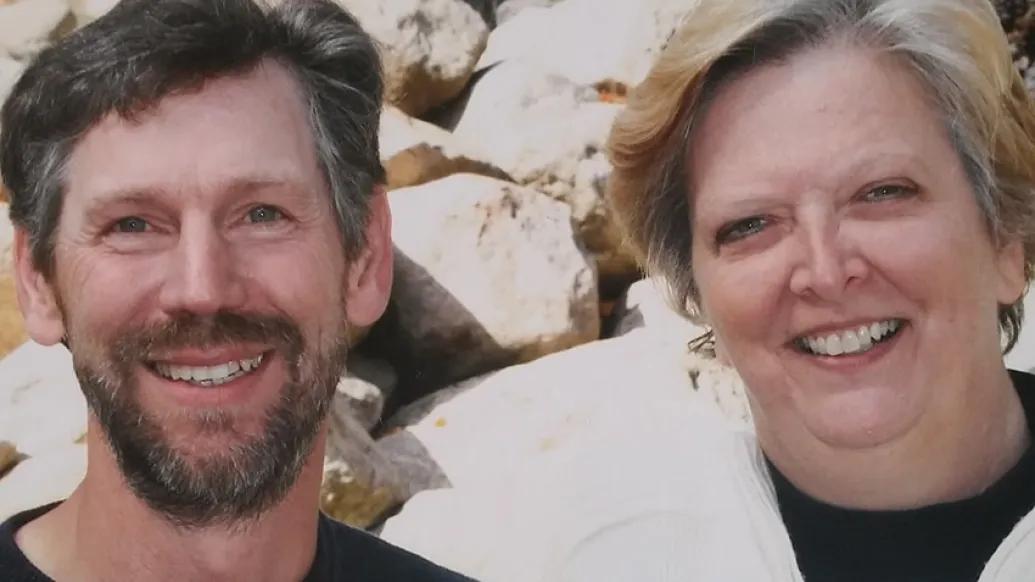
Anita Post wants to share her history of Marfan syndrome, an inherited genetic disorder that has affected four generations of the family.
That intent mirrors the matriarch's lifelong philosophy: "Live your life as if it's your last day."
Post, after all, knew nothing about Marfan syndrome until her 18-year-old son, Casey, was diagnosed in 1997. But she distinctly recalls the day that Casey, after experiencing chest pains, was admitted to a hospital in Clare, Michigan, where Post worked in the radiology department.
"The doctor told us: 'Your son needs to see a cardiologist right away,'" Post, now 56, recalls.
An echocardiogram revealed a 5.2-cm aneurysm on his aortic arch — a link to suspected Marfan syndrome.
Signs of Marfan syndrome
Marfan syndrome is a genetic disorder that occurs once in every 10,000 to 20,000 individuals, according to the National Human Genome Research Institute.
The syndrome affects the body's connective tissue that holds its organs and tissue together. Connective tissue also plays an important role in helping the body grow and develop properly.
Many Marfan patients share similar characteristics. Casey's height (6-foot-4) and thin body, for example, were telling features of the gene mutation.
Other indicators of Marfan syndrome may include:
- Long arms, legs and fingers
- Curved spine
- Chest that sinks inward or protrudes outward
- Flexible joints
- Flat feet
- Crowded teeth
Cardiovascular problems also are common in people with Marfan syndrome. Nine out of 10 individuals with the syndrome experience cardiovascular issues, with the most serious complication being enlargement of the aorta.
Aortic dilation and aortic aneurysms are problems that can result in aortic dissection (tear) or rupture. The most common area affected is the aortic root, an aortic segment closest to the heart.
A shared connection
The family was referred to the University of Michigan, where Post and her husband, Alan, met with pediatric cardiologist Carlen Fifer, M.D., and pediatric cardiac surgeon Edward Bove, M.D., who confirmed Casey's Marfan diagnosis.
Doctors there had more urgent news: The entire family could be at risk.
"Dr. Bove told us we would need to be tested for the mutation that causes Marfan syndrome," Post says. "He told us that Marfan does not skip a generation, so one of us likely had the syndrome."
Post and another son, Cory, both tested positive for the genetic mutation.
The U-M team monitored Casey's aortic arch aneurysm until it became necessary to operate, performing open-heart surgery to repair the aneurysm in 2000.
Post had surgery in 2002 to repair an aortic aneurysm; she and Cory were each put on beta blockers, medication that helps slow the growth of aneurysms.
'No cookie-cutter characteristics'
Post's mother died at age 29, when Post was just 9 years old. Her mother is also suspected of having the syndrome.
"At that time, we didn't have a Marfan diagnosis," Post says. "Only an aortic dissection, which we now know is closely associated with the syndrome."
Although many Marfan patients tend to be extremely tall, Post says her mother measured not quite 5 feet in height. She did have scoliosis, however, which also is commonly associated with Marfan.
Still, "there are no cookie-cutter characteristics, and you don't have to have all the common characteristics to be diagnosed with Marfan," Post says.
In addition to two of Post's three sons, all now in their 30s, her 10-year-old grandson has been diagnosed with the gene mutation.
The adults are followed closely by adult congenital cardiologist Timothy Cotts, M.D., of the U-M Frankel Cardiovascular Center. Cotts is part of a team with extensive expertise in treating patients with inherited aortic diseases such as Marfan syndrome.
"Our multidisciplinary aortic program features unique care for these complex cases," he says. "This includes access to experts from other relevant specialties, such as electrophysiology, as well as to genetic testing and counseling."
A positive outlook
Despite the diagnosis, Post says she and her sons and grandson all keep a positive attitude — and as active as possible.
"Don't worry about what you can't do," she says about the restraints the condition has put on their lives. "Just do what you can. Live your life like it's your last day. It's scary, but we have faith in God."
One thing that helps ensure they enjoy more days ahead: paying close attention to their health.
Each year, the three generations make the trip together from their homes in mid-Michigan to the Frankel center for their annual checkups.
That vigilance is a testament to another Post philosophy: "Family is what matters most."

Health Lab
Explore thousands of health news & research stories by visiting the Health Lab homepage for more.
Media Contact

Public Relations
Department of Communication at Michigan Medicine
In This Story
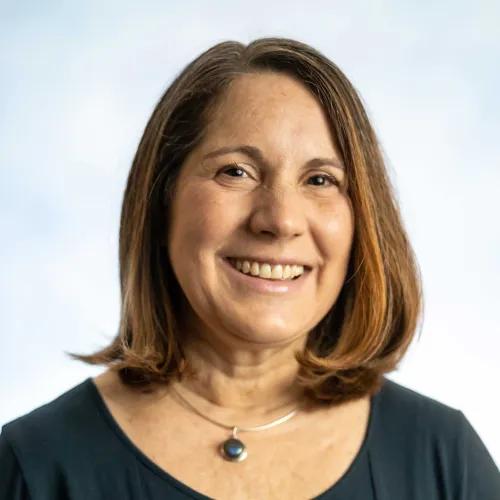
Carlen Fifer, MD
Clinical Professor

Edward L Bove
Professor Emeritus/a
Stay Informed
Want top health & research news weekly? Sign up for Health Lab’s newsletters today!
Featured News & Stories
New heart, three medals and a shot at the world stage

From patient to artist: A project close to her heart

Michigan man undergoes complex heart repair after last minute surgery cancelation
More babies with hypoplastic left heart syndrome surviving critical period between surgeries
Distance, insurance, social factors may hinder access to lifesaving heart monitoring for children