5 Years Later, ‘Life Is Good’ for One of Michigan’s First TAVR Patients
Five years ago, aortic stenosis patients had very few options. Today, TAVR technology has changed all that. Here is one 82-year-old’s story.
7:00 AM
Author |
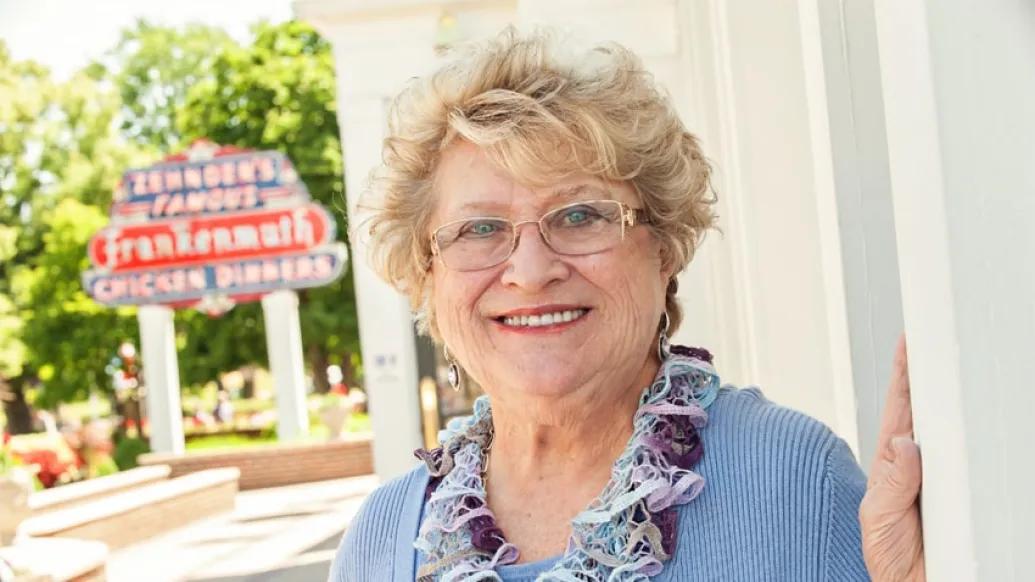
At 82 years old, Lois Metzger is happy, healthy and full of energy. She's also living proof of the life-changing benefits of transcatheter aortic valve replacement (TAVR).
The procedure became available only five years ago, giving aortic stenosis patients a chance for a much-improved quality of life. Prior to TAVR, these patients had few options.
Lois was one of the first TAVR patients at the University of Michigan Frankel Cardiovascular Center; today, more than 700 others have undergone the procedure. The Frankel CVC has one of the highest volume transcatheter aortic valve replacement programs in the country.
TAVR results measure up
G. Michael Deeb, M.D., professor of cardiac surgery at the Frankel CVC, recently presented positive results about TAVR during a clinical research session at the American College of Cardiology Scientific Sessions in Chicago.
"We've been following our patients who underwent a TAVR procedure in the last five years, looking at their quality of life and overall abilities to ambulate and live a complete life," says Deeb. "What we've found is that we're getting the same five-year results with the transcatheter valve that we get with a surgical valve procedure, but without open heart surgery.
"One of the great 'aha' moments in my life was seeing the difference between a post-procedure transcatheter aortic valve patient versus a surgical valve patient. After the TAVR procedure, they're ready to go. They want to go home. They want to get back into life. It's that dramatic," Deeb says.
The chance for a better quality of life
Lois, who had the procedure in April 2011 after managing symptoms such as fatigue and poor circulation, says although she was nervous, she knew TAVR was her only chance for a better quality of life.
SEE ALSO: 'What They Did to Me Was a Miracle'
"The procedure was a turning point to living a life I enjoy," she said at her five-year follow-up appointment.
That life includes four adult children, eight grandchildren, five great-grandchildren and many friends. Lois credits her family as a supportive team that helped her transition through procedure, hospitalization and many follow-up doctor appointments.
Together, she says, they committed positive energy, time away from work, humor and prayer that led to the independent life she is living today.
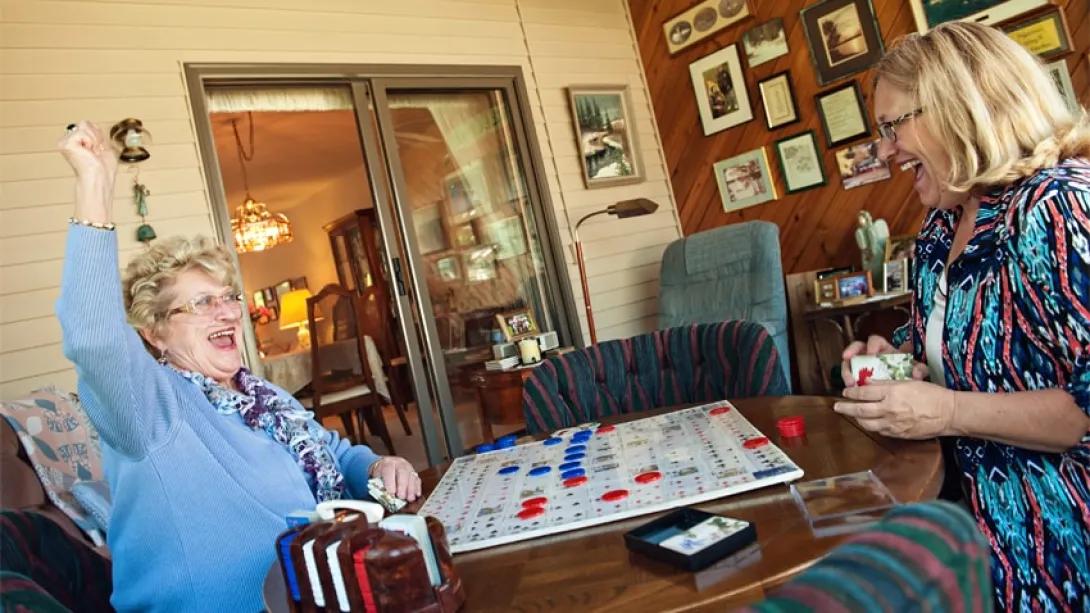
The granddaughter of the owner of the famous Zehnder's of Frankenmuth restaurant in Michigan travels regularly between Naples, Florida, and Frankenmuth, and says she's always ready to socialize, celebrate with family and friends, and play bridge.
"I have so much energy now. I never have to rest during the day," she remarks.
An emotional meeting
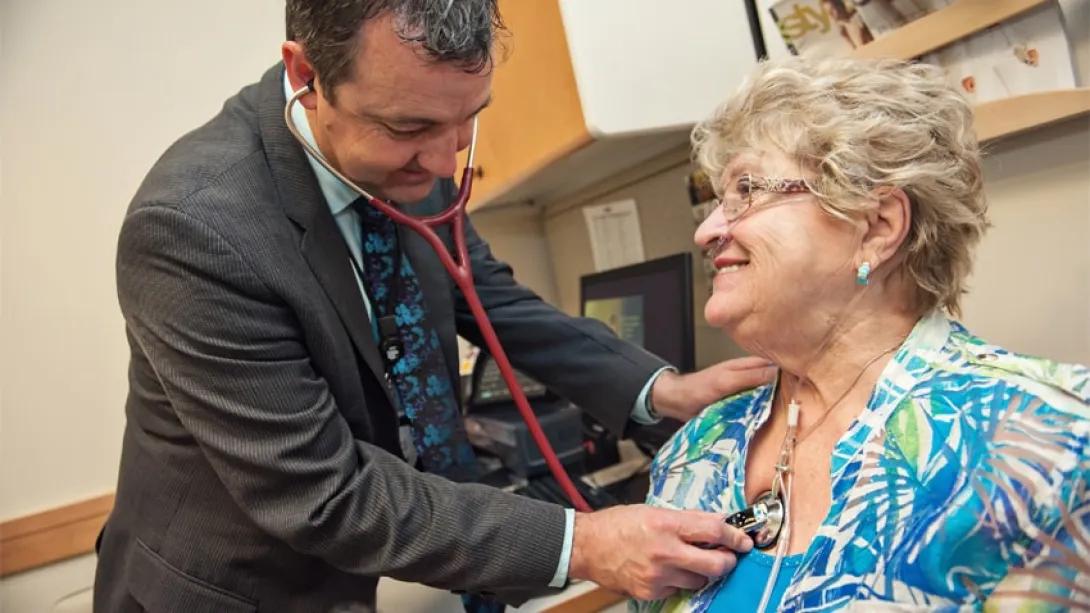
Lois recently met with her U-M TAVR team for her five-year follow-up, where Stanley Chetcuti, M.D., told her, "You look younger today than you did five years ago. It's amazing."
"It was a very emotional meeting for me," Lois says. "My doctors never gave up on me. I'm so grateful for my extra years of life. I'm blessed to be here. Life is good."

Health Lab
Explore thousands of health news & research stories by visiting the Health Lab homepage for more.
Media Contact

Public Relations
Department of Communication at Michigan Medicine
Stay Informed
Want top health & research news weekly? Sign up for Health Lab’s newsletters today!
Featured News & Stories

After TAVR, Prize-Winning Chicken Farmer Back at Work

Jalen Hurts’ blood clot diagnosis: doctors answer common questions
Could a diabetes medication be the next wonder drug?

Digital alerts support timely treatment decisions of critically ill cardiac patients

Is the United States Lagging Behind Europe in Memory Improvement?