Ultrasound Technology Developed at U-M Now in Clinical Trials for Liver Cancer
Trial will evaluate the safety and efficacy of histotripsy against liver tumors at eight U.S. sites.
5:00 AM
Author |
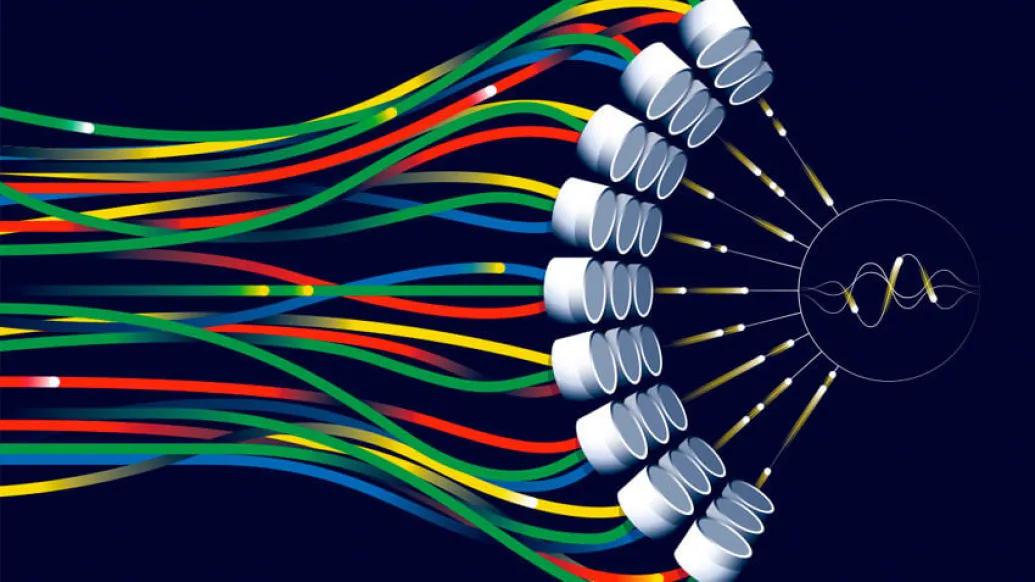
The University of Michigan is one of eight sites around the country that will enroll patients in a clinical trial to evaluate the safety and efficacy of a technology that uses ultrasound to treat liver tumors.
The #HOPE4LIVER trial will employ the noninvasive technique to mechanically destroy primary and metastatic liver tumors.
The technology, called histotripsy, was developed by U-M researchers over more than 15 years and is being commercialized by a U-M startup company, HistoSonics, which is sponsoring the trial.
Using ultrasonic pulses is nothing new to medicine, but the process behind histotripsy is. While previous techniques use heat energy to ablate tissues, histotripsy harnesses the energy of thousands of microbubbles — called cavitation — to emulsify tissue. And it can do so with great precision, narrowly targeting the tissues of interest.
Interventional radiologist Mishal Mendiratta-Lala, M.D., who specializes in the diagnosis and treatment of liver cancer and other abdominal cancers, is principal investigator of the U-M trial site.
"We are very excited to help move this technology out of the laboratory and into a clinical trial where we can evaluate its safety and efficacy for patients," she says. "Preclinical models have been very encouraging regarding the technology's ability not only to destroy tumors non-invasively, but also to stimulate the body's immune response to cancer."
As a researcher, Mendiratta-Lala has worked closely with one of the technology's principal inventors, Zhen Xu, Ph.D., a professor of biomedical engineering at U-M, to analyze histotripsy's impact in animal models of liver cancer.
We are very excited to help move this technology out of the laboratory and into a clinical trial where we can evaluate its safety and efficacy for patients.Mishal Mendiratta-Lala, M.D.
HistoSonics is also conducting clinical trials of the technology in Europe and hopes to expand the use of its platform to other types of solid tumors after the U.S. liver study.
"Anyone close to the field of therapeutic ultrasound knows that the novel science of histotripsy was born from the work of an incredible team of researchers at U-M," says Mike Blue, HistoSonics' president and CEO. "It is only fitting that our collaborating U-M physicians and the hospital are a part of this trial and represent the science that that they discovered and developed alongside the company over the past decade. We could not be happier for everyone who has played a role in getting this platform to where it is today, especially the early inventors and company cofounders."
Meanwhile, histotripsy has also shown promise toward improving immunotherapy.
A study from the lab of U-M surgeon Clifford Cho, M.D., published last year in the Journal for ImmunoThearpy of Cancer, found histotripsy ablation magnified the effect of checkpoint inhibition immunotherapy in mouse models of melanoma and hepatocellular carcinoma.
Disclosures: U-M retains a financial stake in HistoSonics, as do a number of researchers who helped to develop the technology, and each stand to benefit financially from the success of the platform. Serving in the capacity of a paid consultant to the company, Cho is co-principal investigator of the national trial to treat liver tumors in humans; as one of the original researchers into the technology, he also has a financial interest in it.
Like Podcasts? Add the Michigan Medicine News Break on iTunes or anywhere you listen to podcasts.

Health Lab
Explore thousands of health news & research stories by visiting the Health Lab homepage for more.
Media Contact

Public Relations
Department of Communication at Michigan Medicine
Stay Informed
Want top health & research news weekly? Sign up for Health Lab’s newsletters today!
Featured News & Stories

Patient with rare form of diabetes finds answers in genetic testing, clinical trials

Intuition pushed mom to keep checking for breast cancer
Immune system protein is a cancer killer on its own, new study shows
Online resources and coaching helped people seek genetic testing for cancer

Exceptional response to immunotherapy gives patient with liver cancer more milestones to celebrate