Why You Shouldn’t Delay Emergency Care During COVID-19
The COVID-19 pandemic has left many people afraid to seek out emergency health care, but Michigan Medicine experts explain conditions and symptoms that warrant immediate attention.
11:25 AM
Author |
Editor's note: Information on the COVID-19 crisis is constantly changing. For the latest numbers and updates, keep checking the CDC's website. For the most up-to-date information from Michigan Medicine, visit the hospital's Coronavirus (COVID-19) webpage.
Throughout the COVID-19 pandemic, people have been weighing the risks: seek out medical care or potentially contract the virus.
"The pandemic has made people afraid to seek out emergency care," says Robert Neumar, M.D., Ph.D., a professor and chair of emergency medicine at Michigan Medicine. "But, you could be putting yourself at risk of serious complications, or even death, if you don't get care as soon as possible when you have symptoms of a heart attack, stroke or other serious illnesses."
He adds, "And if you go to an emergency department for care, it does not mean you will automatically be exposed to COVID-19."
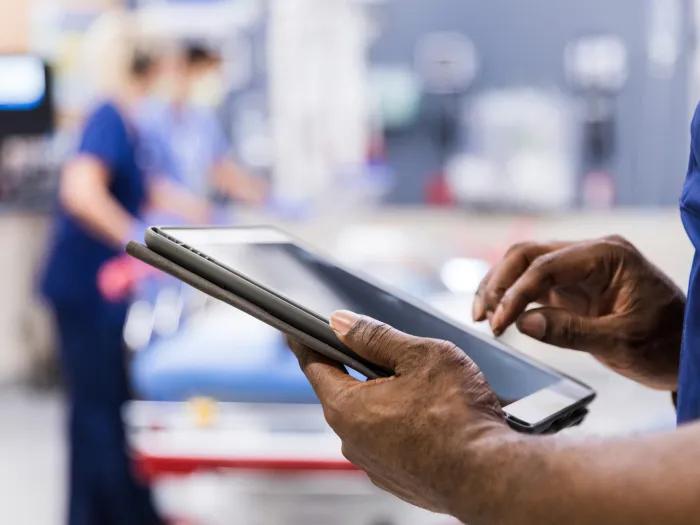
Neumar explains that Michigan Medicine has taken several precautions to optimize patient safety when visiting the emergency department and other areas of the health system.
"In the emergency department, everyone wears a mask, we practice social distancing in the waiting room and we have a separate waiting area for patients with respiratory symptoms," he says.
Additional cleaning and sanitizing are happening throughout the hospital, and all staff, patients and visitors are required to wear a mask.
"We want people to know that we are taking the necessary precautions to keep our patients safe," Neumar says. "We hope patients keep this in mind so they do not delay seeking care for medical emergencies."
Neumar and his colleagues explain more about conditions and symptoms that patients should monitor closely.
MORE FROM MICHIGAN: Sign up for our weekly newsletter
General emergency care for children and adults
Prashant Mahajan, M.D., MPH, a professor and vice chair of emergency medicine at Michigan Medicine and division chief of pediatric emergency medicine at C.S. Mott Children's Hospital, says that while parents may be concerned about their child contracting the virus, emergent care shouldn't be delayed.
"With children spending more time in their homes, there's more of an opportunity for them to get into dangerous situations that require emergency care, such as touching a hot stove or falling from a high distance off the swing in the backyard," he says. "We want parents to seek out the same emergency care for their children that they would have before the pandemic."
He adds, "Every process has been evaluated and every provider in the emergency department has been trained to reduce the risk of transmission of COVID-19. Parents and patients should feel reassured that the level of care that they expect will continue to be provided, and there should be no hesitation in seeking care."
Neumar agrees.
"Our adult patients should still utilize the emergency department for any life-threatening symptoms," he says. "We're here to help."
Heart attacks and strokes
Symptoms of a heart attack or stroke are especially important reasons to seek out emergency care.
"If you are experiencing chest pain, particularly if it's new chest pain or different chest pain than you've had before, don't ignore it," says Nicole Bhave, M.D., a cardiologist at the Michigan Medicine Frankel Cardiovascular Center.
"Especially if chest pain is accompanied by shortness of breath, sweatiness and clamminess, pain moving to the left arm, or a generally unwell feeling, you should seriously consider going to the emergency room."
SEE ALSO: Keeping Our Patients Safe During COVID-19
Neumar says a person should seek out emergency care right away if they're experiencing warning signs of a stroke.
"If someone experiences new symptoms of a stroke, such as difficulty speaking, weakness in an arm or leg or one side of the face is drooping, they should immediately seek emergency care," he says. "It is important to understand that our therapies for stroke are less effective when treatment is delayed."
Chronic diseases
"Patients with chronic diseases may have them well managed, and then suddenly experience worsening symptoms or side effects that require immediate emergency care," Neumar says.
Patients with diabetes, heart conditions, kidney disease and lung conditions shouldn't delay seeking emergency care if they are experiencing new or worsening symptoms that could be life-threatening.
Bone injuries
Michigan Medicine musculoskeletal specialists warn against patients waiting to treat a bone, muscle or joint injury until after the pandemic ends, as it could lead to further injuries, increased pain and in some instances, permanent damage that is preventable.
Instead, patients can go to the new Bone and Joint Acute Injury Clinic at the Michigan Medicine Brighton Center for Specialty Care. The clinic accepts patients with:
- Acute injuries of the foot, ankle, hand, wrist, knee, shoulder and elbow
- Closed simple fractures of the arm, elbow, hand, wrist, leg, foot or ankle
- Sprains and strains to the ligaments, muscles and tendons
- Acute back and neck pain
Mental health
Suicidal thoughts, feelings or actions should not be ignored.
Michigan Medicine mental health experts encourage patients to speak up about thoughts of suicide and feelings of hopelessness and despair, and to recognize the warning signs of suicide.
SEE ALSO: Seeking Medical Care During COVID-19
If suicide warning signs are present, seek immediate help for yourself, your friend or your family member.
Pregnancy
While the Michigan Medicine obstetrics and gynecology team has been working to redesign prenatal care during the pandemic, there are symptoms that could arise between provider appointments that shouldn't be ignored.
"Any high-risk pregnancy symptoms and signs of hypertension, such as elevated blood pressure, headache, increase in swelling or blurred vision, would warrant a call to their provider or a visit to the emergency department, or our labor and delivery triage," says Dee Fenner, M.D., chair of the Department of Obstetrics and Gynecology at Michigan Medicine.
"Other worrying symptoms may include a fever or symptoms of COVID-19, decreased fetal movement, severe abdominal pain, signs of preterm labor and heavy vaginal bleeding. Pregnant women should call their provider immediately to get guidance on next steps."
Michigan Medicine has also expanded its virtual care options. Learn more about e-visit and video visit offerings.
Like Podcasts? Add the Michigan Medicine News Break to your Alexa-enabled device or subscribe for daily updates on iTunes, Google Play and Stitcher.

Health Lab
Explore thousands of health news & research stories by visiting the Health Lab homepage for more.
Media Contact

Public Relations
Department of Communication at Michigan Medicine
In This Story

Dee E Fenner, MD
Professor
Stay Informed
Want top health & research news weekly? Sign up for Health Lab’s newsletters today!
Featured News & Stories

Gene editing is coming for common diseases. Are we ready?

What’s the latest on 7-OH and kratom availability and addiction care?
Depression in OBGYN residents needs more attention, study suggests
Better prenatal care data could help prevent maternal complications, experts say
Pain, psychological factors and physical function closely linked in people with systemic sclerosis