Scleroderma Support: Patients Find Help Online
A new website is helping patients with scleroderma learn more about the condition, how to manage their symptoms and self-advocacy strategies.
2:52 PM
Author |
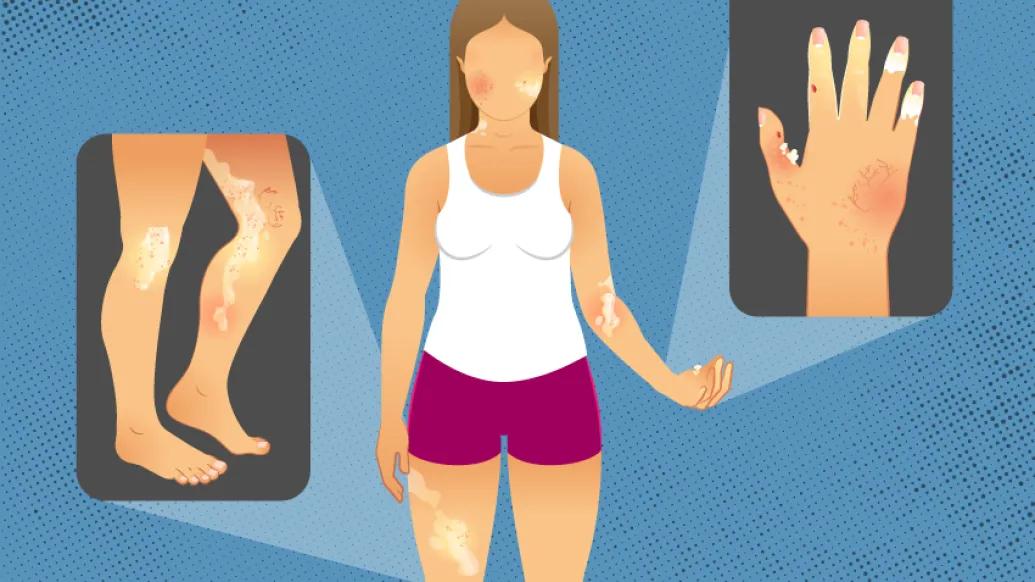
Scleroderma is a rare autoimmune disease, affecting about 300,000 Americans, but for those it affects it can be challenging to manage.
The disease is associated with chronic inflammation and fibrosis in the connective tissues and visibly results in hardening and tightening of the skin, among other symptoms. Depending on the severity, patients can also experience issues with internal organs.
"When patients are first diagnosed with scleroderma, they go to the internet for information about what is happening to their bodies," says Dinesh Khanna, M.D., M.Sc., a professor of rheumatology and the director of the Michigan Medicine Scleroderma Program.
"The majority of that information is too broad to apply to a specific patient, or simply inaccurate."
That's why Khanna collaborated with the University of New Mexico School of Medicine, the Scleroderma Foundation, the Scleroderma Research Foundation, and with funding from the Patient-Centered Outcomes Research Institute, created an interactive website specifically for scleroderma patients.
The website, titled Self-Manage Scleroderma, provides patients with information on the condition, how to manage their symptoms and self-advocacy strategies they can implement in their everyday lives.
Our goal is to appropriately educate patients on different techniques to help them manage the challenges that arise from having a scleroderma diagnosis.
Patients begin accessing the website by filling out a quick survey on the website's main page. Upon completion, they are able to explore the site for information they find specifically useful in helping them manage their condition.
"Our website was created to provide essential information to patients in one, scientifically accurate place," Khanna says.
Support for scleroderma patients anywhere
He notes that because of the collaboration effort amongst the different organizations, the website can be used by scleroderma patients across the world, not just patients he sees at Michigan Medicine.
"Here at Michigan Medicine, we are providing an exceptional, multi-disciplinary care program, and we are striving to help current and future scleroderma patients," Khanna says.
"But for those scleroderma patients who live in states where there is no chapter of the Scleroderma Foundation or no support groups available in a certain community, this website provides virtual support and allows them to see what lays ahead of them."
He also recommends the website to his own patients he sees in clinic.
"A scleroderma diagnosis can be difficult for my patients emotionally, as it does affect a person's appearance," Khanna says. "When patients are worried about their diagnosis, we can now direct them to the website for more information that may be specifically helpful to them."
Future knowledge
Khanna and the Michigan Medicine Scleroderma Program team will continue the translational work happening between their laboratories and clinics in order to better understand scleroderma, and hope to keep the Self-Manage Scleroderma website up-to-date with their latest findings.
"Autoimmune diseases are very complex because they each have different genetic backgrounds and have unknown triggers," Khanna says. "The work being done at Michigan Medicine to understand this multi-faceted disease [scleroderma] is expanding every year."
He hopes that with time, more and more people will sign-up for the website and are able to gather information and advice.
"Our goal is to appropriately educate patients on different techniques to help them manage the challenges that arise from having a scleroderma diagnosis," Khanna says.
"This is a platform that captures everything patients need to know to help them function as healthy, happy and informed individuals."

Health Lab
Explore thousands of health news & research stories by visiting the Health Lab homepage for more.
Media Contact

Public Relations
Department of Communication at Michigan Medicine
Stay Informed
Want top health & research news weekly? Sign up for Health Lab’s newsletters today!
Featured News & Stories

Lupus: A frustrating diagnosis journey you don’t need to embark alone

His shortness of breath signaled a deeper, underlying issue

A metabolic “switch” that could help reset scar-producing cells in scleroderma
Pain, psychological factors and physical function closely linked in people with systemic sclerosis

Rheumatologist finds contentment and community through family farm