Woman seeks another answer for uterine fibroids after advice to undergo a hysterectomy
A public health professor publicly shares personal fibroid journey, addressing racial disparities for Black patients
2:16 PM
Author |

They were four words Joyvina Evans wasn’t expecting to hear as she sat in disbelief in an examination room several years ago: Just get a hysterectomy.
It was the doctor’s answer to the problem that was causing inconsistent menstrual cycles, extremely heavy bleeding, anemia and regular fatigue that was disruptive to everyday life for the then thirtysomething Evans.
The culprit: More than 20 noncancerous tumors of various sizes growing in her uterus called fibroids.
As a Black woman, Evans was at a higher risk for uterine fibroids, and more likely to experience them at a younger age, have larger and recurring cases and more severe symptoms than her white peers.
But the public health researcher and professor, who had previously undergone a minimally invasive procedure to address the condition, knew there had to be another option.
“I was shocked by the gravity and severity of a hysterectomy. I didn’t think we were at that point. I still wanted the option to have kids,” she said.
“I knew there were less life changing options available and was so disappointed. The response felt cold, dismissive and not individualized for what was best for me.”
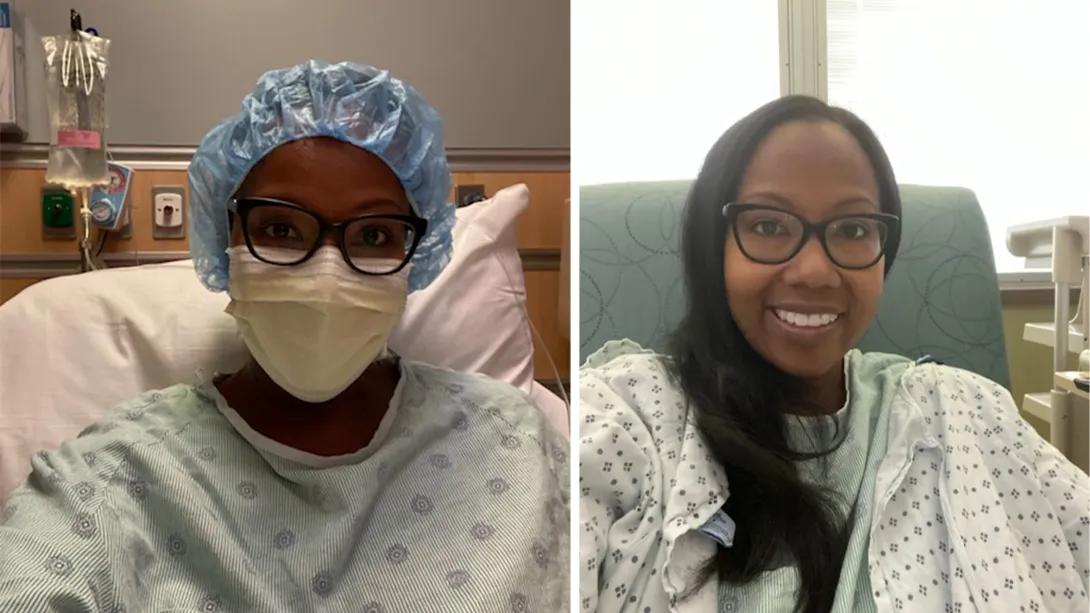
So when she got home, she avidly did her own research, trying to find the best place to seek a second opinion.
The Flint, Mich. native and former University of Michigan employee was willing to travel far from her hometown but learned she didn’t need to.
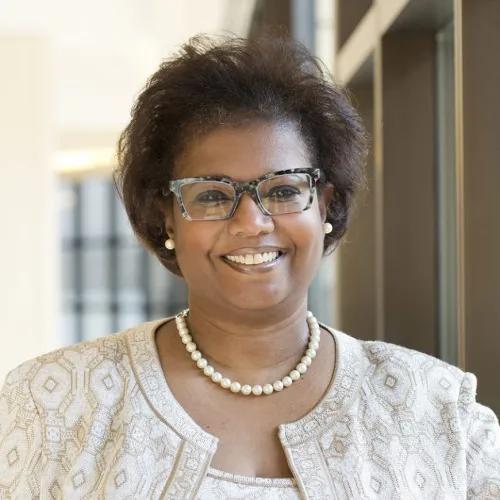
One of the top uterine fibroid specialists in the country happened to be in the same state: Erica Marsh, M.D., professor of obstetrics and gynecology at the University of Michigan Medical School and chief of the division of reproductive endocrinology and infertility at U-M Health Von Voigtlander Women's Hospital.
And at an appointment at U-M Health weeks later, Marsh confirmed Evans’ instincts: she did not, in fact, need a hysterectomy at this point in her journey.
“For so many people seeking treatment for fibroids, the default answer is still commonly and unfortunately a hysterectomy,” Marsh said.
“It’s not that hysterectomy is never the answer – the procedure has been life changing for many patients. It’s just that it’s not the only answer. When I met Joyvina, it was clear that her trust had been broken with the healthcare system.”
“The early emphasis in our discussions was creating a safe space, listening to her, letting her know that our first priority was optimizing her health, explaining and counseling on different options – essentially providing patient and person centered care.”
“Some patients want efficiency and definitive treatment; and depending on their goals, they want a surgical option right away,” Marsh added.
“Some patients move with more pause – sometimes due to a past of broken trust with the health care system, or simply because they need to move at a different pace. We aim to work with patients using shared decision making to come up with an evidence informed personalized treatment plan they feel good about.”
An all-too-common story
Evans’ story is the type of anecdote that Marsh often cites as the founder and director of the onWHARD Collaborative, a group dedicated to women’s health and reproductive disparities research, education, and advocacy.
“For so many people seeking treatment for fibroids, the default answer is still commonly and unfortunately a hysterectomy. It’s not that hysterectomy is never the answer – the procedure has been life changing for many patients. It’s just that it’s not the only answer.”
-Erica Marsh, M.D.
Not only are Black women diagnosed with uterine fibroids about three times as often as white women with more severe cases and complications but they’re also at least twice as likely to remove their uterus through a hysterectomy. A third of hysterectomies are done during peak childbearing years between ages 18 and 44.
“This is an all-too-common story. Although medical and radiological options are available, Black women still account for a disproportionately high percentage of hysterectomies for benign conditions," Marsh said.
"We’re trying to better understand the reasons for the disparities that may contribute to these outcomes for this high-risk population.”
For Evans, who has since moved to the Washington D.C. area where she’s Chair of the Graduate Health Administration program and an assistant professor in the Department of Health Management at Howard University, the experience led to founding Advocating for My Uterus.
The nonprofit is devoted to supporting women’s reproductive health through educational resources.
She went on to get a myomectomy, a surgical procedure that involves removing uterine fibroids while also – with the help of reproductive health providers at Michigan Medicine and others – freezing her eggs.
“Dr. Marsh is one of the phenomenal female physicians who I credit for why I still have my uterus,” she said.
“Whether I have children or not, it is still my choice and one I want to make with all of the information available.”
Helping others make informed decisions
In 2024, Evans publicly shared her story in the journal Health Affairs.
In the piece she acknowledges that others may have followed the first medical recommendation.
Barriers to healthcare, such as socioeconomic status, access to specialty care and insurance coverage, as well as structural and interpersonal racism, may impact treatment.
“I recognize my privilege and that because of my education, income, insurance and access to things like health services and transportation I was able to take those extra steps to find a better alternative, even if it meant traveling far,” she said.
“Self-advocacy is so important and that may sometimes mean getting a second or third opinion to feel confident you’re making an informed decision and that you’re comfortable with your care.”
She adds that while for some people a hysterectomy may be the best option for fibroids, getting to that decision should feel right.
“Everyone has to do what’s best for them and that’s where trust in your provider becomes so important,” she said. “Because of my specific case and personal goals, I had the option to do something less invasive but that wasn’t initially presented to me. There’s no one size fits all.
“I hope my story can help other people.”
Marsh, who grew up surrounded by family and friends who experienced fibroids, continues work focused on understanding the pathophysiology of and improving outcomes for this prevalent disease, particularly among underrepresented demographic groups.
“Joyvina’s story certainly touches on feelings that many people across races, ethnic backgrounds, genders identities and faiths can identify with. It’s wondering if and how the different aspects of what makes you, you may be impacting your care,” she said.
“We have to work toward a medical model where patients don’t have to worry about what their care may be like if they have a doctor that doesn’t look like them or has had different lived experiences. We have to continue to reassure our patients that regardless of different lived experiences, we’re able to meet them where they are and to provide patient centered, exceptional healthcare for them.”
Sign up for Health Lab newsletters today. Get medical tips from top experts and learn about new scientific discoveries every week.
Sign up for the Health Lab Podcast. Add us wherever you listen to your favorite shows.

Health Lab
Explore thousands of health news & research stories by visiting the Health Lab homepage for more.
Media Contact

Public Relations
Department of Communication at Michigan Medicine
In This Story
Erica Elizabeth Marsh MD, MSCI, FACOG
Professor
Related
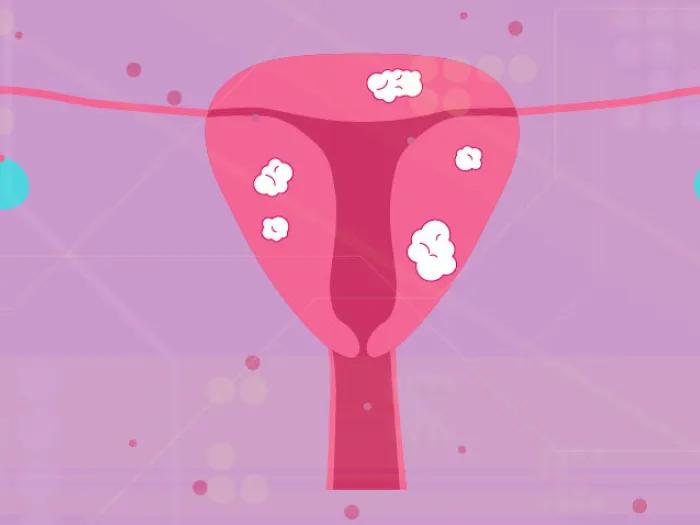
Understanding Racial Disparities for Women with Uterine Fibroids
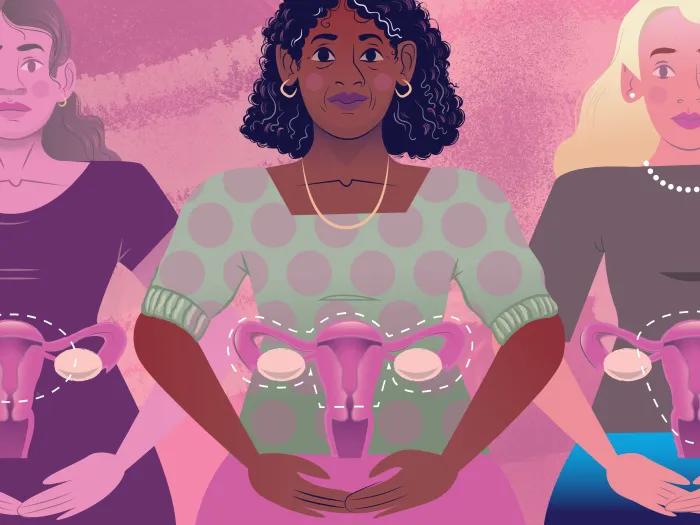
Is a hysterectomy right for you?
Stay Informed
Want top health & research news weekly? Sign up for Health Lab’s newsletters today!
Featured News & Stories

What’s changing in Medicaid and what can you do?
PCOS has a new name

Studying Period Pain
Who’s at risk for painful periods?
Reducing infections after heart surgery could save Medicare $441 million per year