Why personalized medicine is important in rare kidney disease
NEPTUNE match study builds kidney atlas
5:00 AM
Authors |

Researchers led by Matthias Kretzler, M.D., have achieved a significant breakthrough in the field of personalized medicine for kidney disease by building a comprehensive human kidney cell and tissue catalog. Their research lays the foundation for the development of new treatments that have the potential to greatly improve patient outcomes and quality of life.
The National Center for Advancing Translational Sciences (NCATS) has recognized the value and impact of this kidney atlas, as well as the NEPTUNE Match study, in advancing precision medicine for patients with rare kidney diseases.
Kretzler is the principal investigator for the NEPTUNE Match program, which aims to match patients with the right treatment at the right time in their disease course. The program provides individualized information about their disease biology to patients and their healthcare providers. This data includes detailed clinical and genetic history, molecular profiles, and predictive biomarkers from over 850 participants in the NEPTUNE study. The goal of the study is to enhance treatment outcomes and improve the quality of life for patients.
Through the NEPTUNE Match study, non-invasive methods enable the creation of real time individualized disease profiles for patients. These profiles are then compared with mechanisms being targeted by ongoing clinical trials to see how strongly they align. This empowers patients and providers to make more informed decisions about the suitability of participating in a specific trial.
“NEPTUNE Match is a significant advancement in rare kidney disease research, representing a transformative step toward personalized medicine,” Kretzler said. “By providing individualized disease profiles, this program has the potential to revolutionize the management of rare kidney diseases, leading to improved treatment outcomes and enhanced quality of life for patients.”
Citation: "Rationale and design of the Nephrotic Syndrome Study Network (NEPTUNE) Match in glomerular diseases: designing the right trial for the right patient, today." Kidney International. DOI: # https://doi.org/10.1016/j.kint.2023.11.018
Sign up for Health Lab newsletters today. Get medical tips from top experts and learn about new scientific discoveries every week by subscribing to Health Lab’s two newsletters, Health & Wellness and Research & Innovation.
Sign up for the Health Lab Podcast: Add us on Spotify, Apple Podcasts or wherever you get you listen to your favorite shows.

Health Lab
Explore thousands of health news & research stories by visiting the Health Lab homepage for more.
Media Contact

Public Relations
Department of Communication at Michigan Medicine
Related
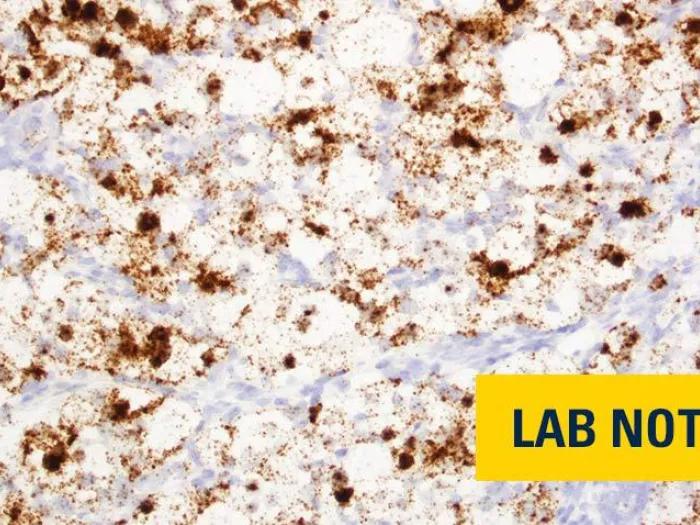
Biomarker Could Help Identify Difficult-to-Diagnose Kidney Cancer Subtype
Stay Informed
Want top health & research news weekly? Sign up for Health Lab’s newsletters today!
Featured News & Stories

Better prenatal care data could help prevent maternal complications, experts say

Pain, psychological factors and physical function closely linked in people with systemic sclerosis
Many hospitals still don’t do enough to prevent UTIs from catheters
Rural-urban disparities in head and neck cancer
Study outlines a new framework for direct cell reprogramming