Why Fibromyalgia Patients Can’t Regulate Their Pain
Exhausting the body’s pain management system can leave those with chronic conditions unable to find relief — either naturally or via opioids.
7:00 AM
Author |
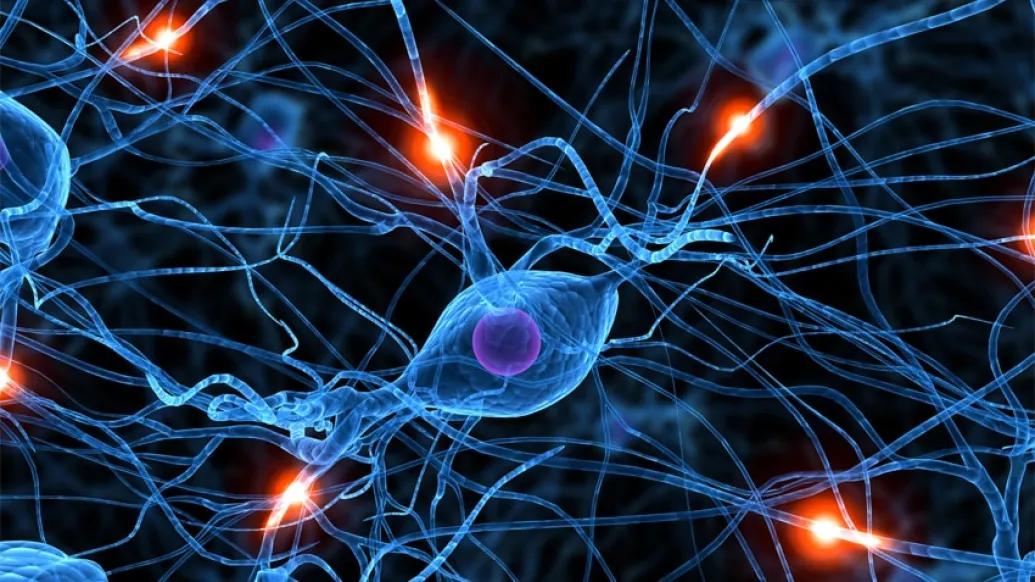
By triggering its opioid receptors, the brain is naturally hardwired to shut down or dampen physical discomfort.
MORE FROM THE LAB: Subscribe to our weekly newsletter
But for those with pain from chronic conditions such as fibromyalgia, a continued reliance on that process can be overtaxing — and ultimately ineffective.
"It's sort of like trying to run a marathon … for months and years," says Daniel Harper, Ph.D., a research investigator at the Chronic Pain and Fatigue Research Center at the University of Michigan. "If a person's brain is constantly releasing endogenous opioids over a long period of time, the system gets worse and worse about being able to do that."
Beyond a reduced capacity to self-regulate, such gradual dysfunction also hinders the brain's ability to process and translate the effects of prescription opioids which, in a typical patient, could offer relief.
Harper co-authored a recent study examining how the brains of 18 adult females with fibromyalgia respond when subjected to experimental pain (in this case, varying levels of intensity applied to the left thumb).
Published in May in the journal Pain, it is the first research of its kind to evaluate a chronic pain population via a combination of positron emission tomography and functional magnetic resonance imaging (fMRI).
Using the technology to conduct blood oxygenation-level-dependent (BOLD) imaging and observe opioid receptors during the pain sequence, the research team found reduced binding ability of the opioid receptors, which could mean fewer receptor molecules present in the brains of fibromyalgia patients.
As hypothesized, such dysregulation affected the brain's innate ability to relieve pain.
Says Andrew Schrepf, Ph.D., a research fellow at the U-M pain center and a co-author of the study: "We've been able to complete the picture — their brains are doing a fairly bad job controlling pain."
These patients are quite different in the way they experience and process pain.Andrew Schrepf, Ph.D.
Wider implications for treatment
The results ought to help incentivize doctors who might otherwise combat fibromyalgia pain with opioids — which, in addition to not working, can be dangerous.
SEE ALSO: Over Time, Marijuana Use Dampens Brain's Response to Reward
Beyond the potential of addiction due to higher or extended dosage, opioid use in chronic pain patients, Harper says, could also trigger opioid-induced hyperalgesia, a condition that further disrupts a person's pain-regulating receptors and heightens their sensitivity to pain.
Which is why a need to continue the dialogue outside of academic circles exists.
"Physicians that aren't really trained in pain might reach for opioids more frequently," says Richard Harris, Ph.D., a U-M associate professor of anesthesiology and the study's senior author.
Alternate drugs that he says could be considered in lieu of opioids are pregabalin, duloxetine or milnacipran. These drugs are thought to work independently from opioid receptors.
The new research, though, might warrant a greater focus on finding other ways to help fibromyalgia patients manage a condition that some medical experts have previously dismissed as psychosomatic.
"Clinicians can think about nondrug therapies," says Harper. "Certainly, exercise has been shown to be effective, as long as you don't overdo it … cognitive behavioral therapy, getting better sleep."
Although the researchers focused exclusively on subjects with fibromyalgia, ties that also were probed in a 2007 U-M study, the takeaways could be applied to other types of chronic pain, they say.
All this underscores the value of a personalized approach.
"It's a newer line of thinking, for sure," Schrepf says. "These patients are quite different in the way they experience and process pain."

Health Lab
Explore thousands of health news & research stories by visiting the Health Lab homepage for more.
Media Contact

Public Relations
Department of Communication at Michigan Medicine
Stay Informed
Want top health & research news weekly? Sign up for Health Lab’s newsletters today!
Featured News & Stories

An initiative addressing health disparities in rates of poorly controlled pain

Moderate Alcohol Intake Associated with Less Chronic Pain, Depression

What Drives Patients to Use Medical Marijuana: Mostly Chronic Pain
Does an Exploding Brain Network Cause Chronic Pain?
Does Widespread Pain Stem from the Brain? MRI Study Investigates