What to Know About COVID-19 if You Have Diabetes
An endocrinologist with diabetes shares guidance on how to manage the condition during the pandemic.
5:00 AM
Author |
Editor's note: Information on the COVID-19 crisis is constantly changing. For the latest numbers and updates, keep checking the CDC's website. For the most up-to-date information from Michigan Medicine, visit the hospital's Coronavirus (COVID-19) webpage.
Interested in a COVID-19 clinical trial? Health research is critical to ending the COVID-19 pandemic. Our researchers are hard at work to find vaccines and other ways to potentially prevent and treat the disease and need your help. Sign up to be considered for a clinical trial at Michigan Medicine.
Uncertainty surrounding the novel coronavirus, COVID-19, may be especially unsettling for people who fall into the often mentioned "high risk" groups, such as those with diabetes.
And the flood of information from the news may make it difficult to discern between misconceptions and facts. No one understands that better than Scott Soleimanpour, M.D., a Michigan Medicine endocrinologist who treats patients with diabetes and has also lived with the condition for almost 35 years.
"We keep hearing in the media that people with diabetes have higher risks tied to COVID-19, but there may be confusion about what those risks actually are," he says.
Soleimanpour shares what's currently known about diabetes and the coronavirus, as well as how to prepare and cope.
Not all diabetes is created equal
One message is clear: Having diabetes doesn't increase your risk of contracting COVID-19. "This virus is equal opportunity," says Soleimanpour. "Your risk only goes up if you're exposed to someone with the virus, so make sure you're social distancing and washing your hands."
That being said, people who have diabetes do have a higher risk of becoming very sick and experiencing severe complications if they are infected with the virus, so they should take extra precautions to protect themselves.
MORE FROM MICHIGAN: Sign up for our weekly newsletter
Among 122,653 COVID-19 cases in the U.S. reported to the CDC as of March 28, only 7,162 patients had data available pertaining to underlying health problems. Of these 7,162 patients, 784 of them had diabetes. Around half of the 784 individuals with diabetes needed to be hospitalized, but this number could be higher since 7% of these diabetic patients had an unknown hospitalization status.
Uncontrolled diabetes may make symptoms feel more intense, and it may be more challenging to manage a pre-existing condition when you become sick or fatigued. This could result in needing hospitalization.
"When diabetes isn't well managed, you can have high blood sugar, which suppresses immune system function. When the immune system isn't performing as well, it has a harder time fighting off infections, and viral symptoms can be worse," says Soleimanpour.
I try to take care of myself by doing things I can control. I can't control this virus, but I can control my diabetes.Scott Soleimanpour, M.D.
He adds that there aren't reported differences in risk of severe illness between people with type 1 and type 2 diabetes. However, if you have high blood pressure or obesity (often associated with type 2 diabetes), you might manifest more debilitating symptoms if sick. Remember though that not everyone's diabetes is the same. How well someone manages their diabetes could make a difference in how sick they get from COVID-19, even if they're overweight or have high blood pressure.
Soleimanpour recommends people check with the Centers for Disease Control and Prevention for the most up-to-date COVID-19 information. Individualized resources like the American Diabetes Association and Juvenile Diabetes Research Foundation may also be helpful.
Managing diabetes
It's important to be proactive in diabetes management on a daily basis, but even more vital during this pandemic. Don't let fear paralyze you from being proactive and making good decisions for your health, Soleimanpour says.
He adds, "my heart goes out to people with diabetes because I understand their concerns. I'm not immune to being worried myself. I try to take care of myself by doing things I can control. I can't control this virus, but I can control my diabetes."
Set yourself up for success by eating healthy meals and exercising 30 minutes a day. It's good for your mental health, too. Even though gyms are closed, you can get your heart rate going with home workouts or a walk around the neighborhood.
Preparing supplies
Eating healthy meals and exercising are both ways to put yourself in a better position to fight off illness, but managing diabetes also requires certain supplies.
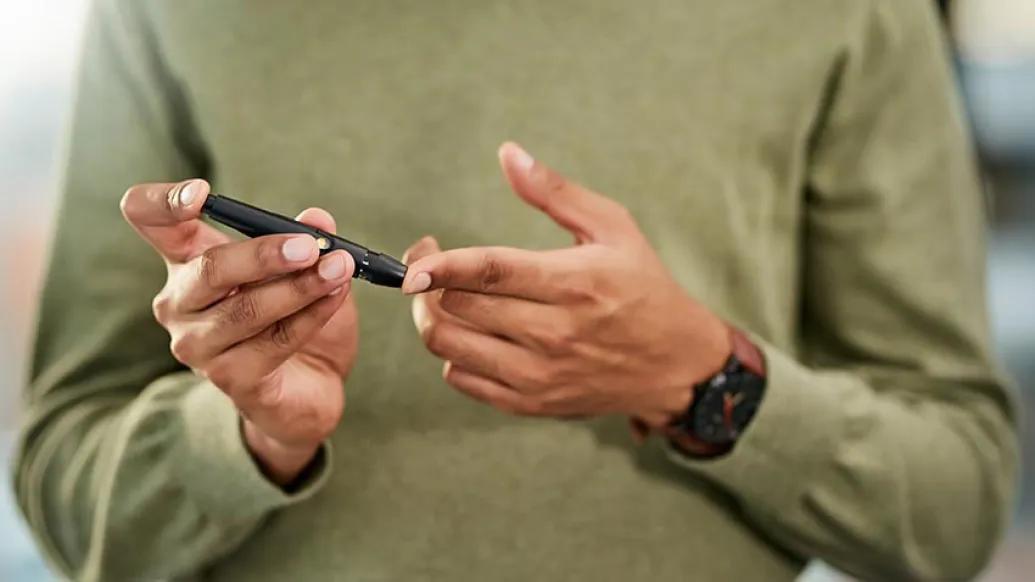
Luckily, according to Soleimanpour, leading manufacturers of diabetes supplies and medication haven't reported any issues with supply chains or deliveries. Although there doesn't appear to be a shortage of supplies, it's important to have a heightened awareness of when you need more insulin, when it expires, and refills of your glucose testing supply.
People should also ensure they have glucose tablets handy to treat low blood sugar appropriately. "Urine ketone test strips are especially crucial for type 1 diabetes patients since risks for diabetic ketoacidosis rise with viral infections, like COVID-19," Soleimanpour says. "This is a severe complication of type 1 diabetes that can happen when your body doesn't have enough insulin to supply cells with glucose, so the glucose stays in the blood."
If diabetes symptoms change or become harder to manage and your doctor recommends a change in current therapies, having sufficient diabetes supplies on hand makes this adjustment easier.
If someone else in the home is sick, make sure you quarantine the individual, clean household surfaces frequently, wash your hands, and potentially even stay in a separate room/residence if you're 65 or older.
SEE ALSO: 14 Things to Do If Someone You Live With Has COVID-19
Soleimanpour says those with diabetes should ask themselves these questions:
-
Can I get diabetes supplies mailed to my house instead of going to the pharmacy?
-
Can I get groceries delivered or get curbside pickup instead of going inside?
-
If I need to go in, can I shop at less busy hours of the day?
Despite many in-person visits with providers being postponed, you're not on your own with your diabetes.
"If you're a patient at Michigan Medicine, you can connect to our virtual care services through the patient portal," says Soleimanpour. "If you need help or want to talk through these scenarios, we want to be there for you. If your blood sugars are more difficult to control, we want to help. We may be social distancing, but we're not disconnected."
For more information about meal planning, carbohydrate counting, monitoring blood sugar, exercise, medications, stress management and more, visit the Diabetes 101: Taking Charge patient handbook.
Like Podcasts? Add the Michigan Medicine News Break to your Alexa-enabled device or subscribe for daily updates on iTunes, Google Play and Stitcher.

Health Lab
Explore thousands of health news & research stories by visiting the Health Lab homepage for more.
Media Contact

Public Relations
Department of Communication at Michigan Medicine
Stay Informed
Want top health & research news weekly? Sign up for Health Lab’s newsletters today!
Featured News & Stories

Gene editing is coming for common diseases. Are we ready?

4 in 5 parents say having a baby is too expensive

What’s the latest on 7-OH and kratom availability and addiction care?
Better prenatal care data could help prevent maternal complications, experts say
Many hospitals still don’t do enough to prevent UTIs from catheters