What to Do After a Liver Disease Diagnosis
Liver disease treatment means addressing the underlying causes — and watching for potential complications. A U-M specialist explains the steps.
1:00 PM
Author |

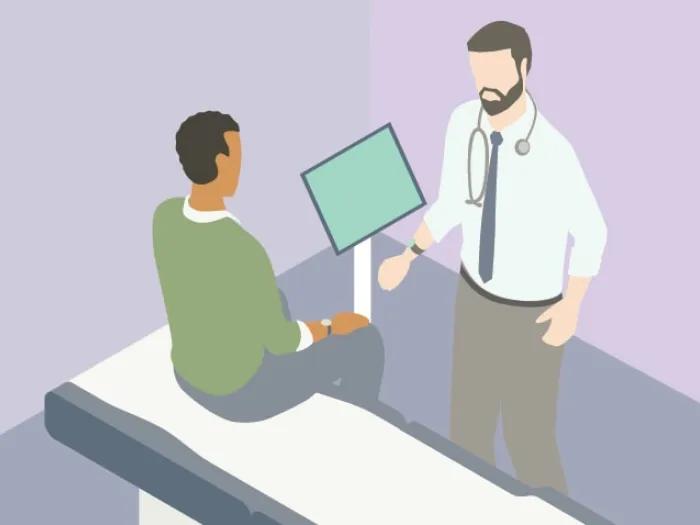
Hearing you have a health condition can be stressful, leading you to wonder: What's the next step?
MORE FROM MICHIGAN: Subscribe to our weekly newsletter
If it's a liver condition, such as hepatitis C, nonalcoholic fatty liver disease or cirrhosis, trust the advice of your primary care doctor, says Elliot Tapper, M.D., an assistant professor of gastroenterology and a liver specialist at the University of Michigan.
If that doctor recommends an appointment with hepatology specialists, make the call.
"There are things you must do when you have cirrhosis and advanced fibrosis to keep yourself healthy, and that's why we as specialists need to see you," Tapper says. "We are here to educate and also to improve the quantity and quality of life, tailoring management to each patient's needs."
Treating causes of liver disease
At U-M, Tapper and his colleagues begin with addressing the underlying condition.
If it's fatty liver disease, a lifestyle change, diet and resistance exercise program is rolled out. If it's a hepatitis diagnosis, medicines are used to either control or cure it, depending on the virus. If the person is an alcoholic, then the medical team works on the triggers that keep a patient drinking.
Tapper also puts patients on a screening schedule to check for potential side effects of the disease and to ensure he nips its progression into cancer.
"We screen for varicose veins that may develop near the esophagus," Tapper says, as an example.
"The liver controls all the blood flow from your gut. If you have scar tissue in your liver, it's like some of the lanes in the highway have closed down and there is a traffic jam.
"When there is a traffic jam, the blood seeks bypass routes around the blockage and your body will develop new veins inside of itself to relieve that pressure. The problem is one of those bypass routes, called varices, runs up and down the esophagus."
Monitoring varices helps to prevent ruptures and bleeding.
Finally, Tapper discourages using any kind of supplement in a patient's daily routine without discussing it with a doctor.
"Someone might mention they heard an herb will help their diseased liver, but anytime we hear the term supplement, our hearts skip a beat," he says. "We don't know what's in them and they are not regulated, and we've seen some do more damage than good."
To make an appointment with the Michigan Medicine Cirrhosis Clinic, Non-Alcoholic Fatty Liver Disease Clinic, Viral Hepatitis Clinic, Liver Transplant Clinic, Liver Tumor Clinic or Wilson's Disease Clinic, call 844-233-0433.

Health Lab
Explore a variety of health care news & stories by visiting the Health Lab home page for more articles.
Media Contact

Public Relations
Department of Communication at Michigan Medicine
Stay Informed
Want top health & research news weekly? Sign up for Health Lab’s newsletters today!
Featured News & Stories
Tackling Nonalcoholic Fatty Liver Disease Head On
Alcohol-Related Liver Disease clinic gives patient new hope
IBS treatment response predicted by gut microbiome in new study
What to know about a benign liver cyst on your imaging results
Managing cirrhosis pain without drugs