
Using biologic injections for severe asthma after COVID
When COVID-19 exacerbated one patient’s asthma condition, biologics relieved her increasingly debilitating symptoms
5:00 AM
Author |
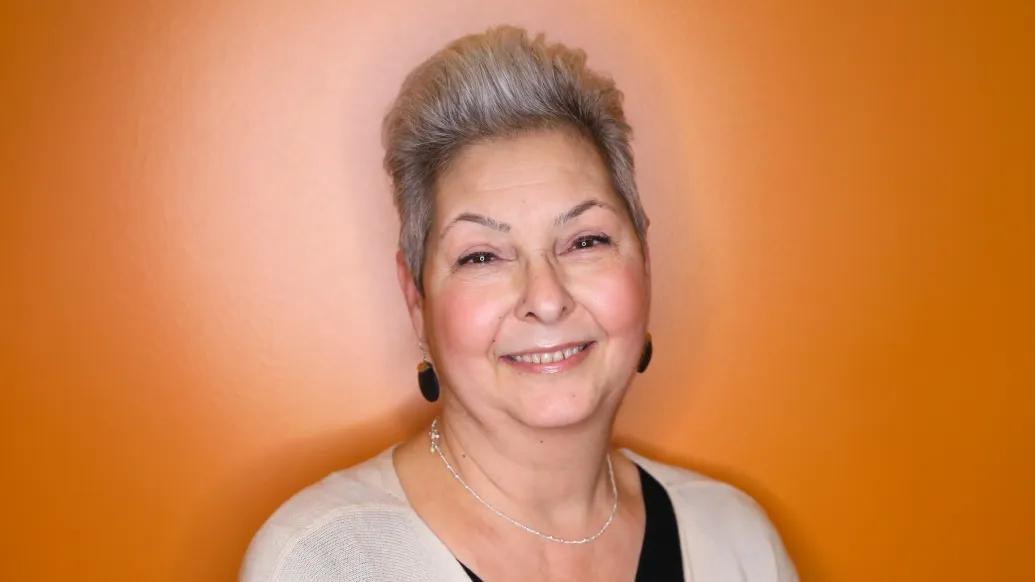
Becky Hartford was living a healthy life despite having been diagnosed with asthma as a child.
But COVID changed all that.
Hartford had intermittent asthma flareups throughout her life, but nothing that kept her from doing the things she loved, including her work as an editor, exercising and gardening.
“I’ve had asthma all my life, but it’s always been under control,” she said. “I never even had to use a maintenance inhaler.”
But a COVID diagnosis in November 2021 changed everything for Hartford, now 62.
Asthma is a chronic inflammation of the airways in the lungs that can lead to restricted airflow. Symptoms include wheezing, shortness of breath, chest tightness and coughing.
Under the care of her primary physician, Hartford was prescribed breathing treatments and oral steroids to control her symptoms.
Eventually, though, her condition became so severe that she was missing work regularly for weeks at a time.
Seeking expert asthma care
Hartford’s physician recommended she seek the care of a pulmonary specialist at Michigan Medicine who would be able to treat the chronic disease and not just her symptoms.
As fate would have it, the Canton, Mich., resident was also communicating with a friend who was part of the Michigan Medicine pulmonary team led by Njira Lugogo, M.D., a foremost specialist in the treatment of asthma.
The friend recommended she see Lugogo for a diagnosis and treatment.
I finally found someone who understood and listened to me and was willing to help me — not just give me medication to treat my symptoms.”
— Becky Hartford
Connecting with Lugogo was exactly what Hartford needed.
“I finally found someone who understood and listened to me and was willing to help me — not just give me medication to treat my symptoms.”
“The patient was having all this trouble with her asthma, and it was really quite uncontrolled,” said Lugogo, who has seen a surprising increase in asthma patients in the years since COVID began.
“We see a lot of patients in our clinic who have mild asthma, but not terrible symptoms. And then they get COVID and their condition becomes nearly impossible to control.”
Lugogo also sees patients whose COVID has led to pulmonary diseases similar to asthma.
A new class of drugs
For many of these patients, like Hartford, biologic injections are often the recommended treatment.
"Biologics are a newer class of drugs that attack asthma at the cellular level versus simply treating a patient's symptoms," said Lugogo.
"They have shown promising results. These drugs help treat asthma by disrupting specific proteins that cause the airways to swell when exposed to certain triggers.
“Because these are administered by injection at our clinic, patients don't have to worry about filling prescriptions and remembering to take them every day."
Lugogo says many patients don’t know biologic treatment methods are available or might not think they’re an option.
However, she said, “The sooner biologic treatment begins, the better. We want to be able to get our patients well as fast as possible. And we also don't want to have patients taking a lot of oral steroids as exposure to high doses can cause disease in other organs in the body.”
Turning the corner
Soon after meeting with Lugogo, Hartford enrolled in a Michigan Medicine clinical research study focused on the biologic Tezspire.
She says she knew her treatment was working when she again contracted COVID in November 2023 without the same severe asthma flareups she experienced two years earlier.
We’re starting to think about the possibility of remission in patients with asthma — giving patients the appropriate biologic treatment to allow them to have such excellent asthma control that their disease goes into remission.”
— Njira Lugogo, M.D.
Lugogo stresses that these biologics are not a cure, but a treatment that is especially important since COVID came on the scene.
However, she says, new research points to possible remission in asthma in certain patients using biologics.
Promising possibilities for asthma care
“We’re starting to think about the possibility of remission in patients with asthma — giving patients the appropriate biologic treatment to allow them to have such excellent asthma control that their disease goes into remission. It's a very new concept for asthma patients.”
However, Lugogo said, “In order for people to have this great response to biologics, we need to start earlier and intervene when patients still have normal lung function, controlled weight and who haven't had severe symptoms of the disease for more than 10 years. These are the patients who experience the best results.”
With the success of these advanced treatment methods, Lugogo says patients shouldn’t have to let asthma rule their lives.
“Asthma control is achievable with the new treatment options we now have.”
Hartford is a testament to the success of biologics.
“During Mother's Day weekend I was able to go out in the yard and pull weeds, prune my bushes and plant flowers. I haven't been able to do those things for the last year because of all the asthma flares.
“Dr. Lugogo is one of the best doctors I've ever had. She is just amazing.”
Lugogo provided the following disclosures: Med Learning Group; Integritas; Avillon; Regeneron Pharmaceuticals; Observational and Pragmatic Research Institute; American Academy of Chest Physicians; Haymarket; General Practitioners Research Institute; Genentech, Inc.; Parexel International Corporation; Sanofi-Aventis US Inc.; AstraZeneca, PLC; GlaxoSmithKline; Teva Pharmaceuticals Industries LTD.

Health Lab
Explore a variety of health care news & stories by visiting the Health Lab home page for more articles.
Media Contact

Public Relations
Department of Communication at Michigan Medicine
In This Story
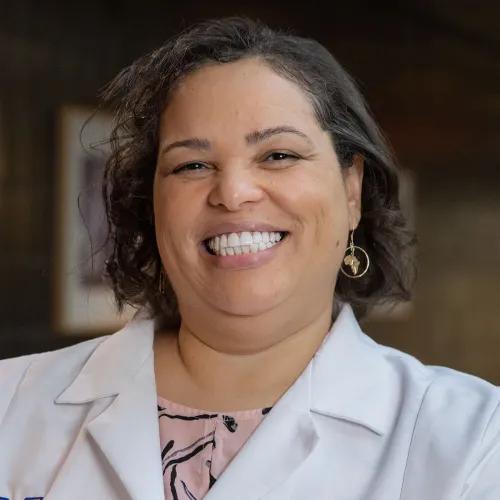
Njira Lugogo, MD
Clinical Professor
Stay Informed
Want top health & research news weekly? Sign up for Health Lab’s newsletters today!
Featured News & Stories
New Findings on a Decade of Medicaid Expansion in Michigan

The Race to Uncover the Hidden Causes of Idiopathic Pulmonary Fibrosis
Serious disparities persist in maternal death rates in the U.S.

Neighborhood Income and Cognitive Health

New sculpture on U-M medical campus creates lasting COVID-19 tribute
