A treatment-resistant, severe type of asthma successfully modeled in mice
The model illuminates underlying biology and immune activity of lung cells involved in neutrophilic asthma
5:00 AM
Author |
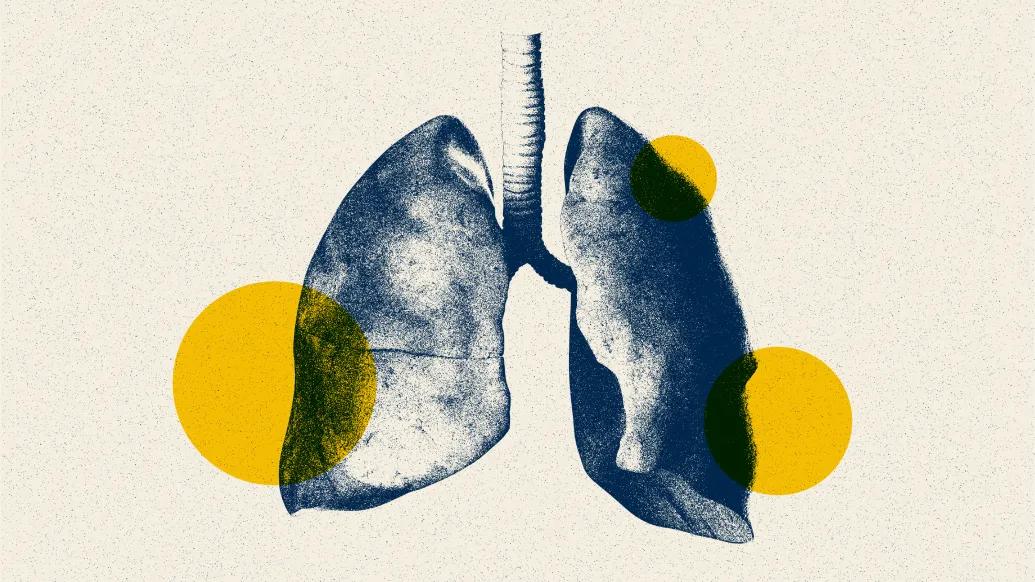
A better understanding of inflammation and lung immunity over the past two decades has led to new, innovative treatments for asthma, including biologic therapies.
This is especially true for a subtype known as eosinophilic asthma—asthma that’s related to the recruitment and overactivation of white blood cells in the lungs called eosinophils.
However, a different type of asthma called neutrophilic asthma has fewer treatment options and doesn’t respond as well to first line asthma therapy.
As a result, people with this type of asthma, which is usually diagnosed in adults, often experience more serious disease and a poorer quality of life.
A team of researchers led by Anukul Shenoy, Ph.D., of the Department of Microbiology and Immunology and the Division of Pulmonary and Critical Care Medicine at U-M and Joseph Mizgerd, Ph.D., of Boston University Chobanian & Avedisian School of Medicine are trying to address a lack of knowledge around neutrophilic asthma and have developed one of the first mouse models for the condition.
By repeatedly, but briefly, exposing mice to an inhaled allergen over time, they were able to mimic the exposure and immune activity within the airways of adult humans.
This type of allergen exposure resulted in an increase in accumulation of different types of T cells called CD4+TRM cells—memory cells that are present in adult lungs and responsible for a rapid response to a previously encountered allergen.
When activated, one subset of CD4+TRM cells lining the airways produces a cytokine IL-17A which then persuades the epithelial cells of the lung to recruit neutrophils, a type of white blood cell that causes inflammation.
While neutrophils are important for protection against pathogens their activation in response to a harmless allergen in asthmatics leads to severe lung damage.
Interestingly, the team also discovered that the epithelial cells try and control this inflammation by using a specialized immune-facing molecule called MHC-II.
They do so by using MHC-II to instruct a different subset of CD4+TRM cells in the airways to produce a cytokine IFN-gamma, which then potently suppressed inflammation in this mouse model of neutrophilic asthma.
Paper cited: “Lung CD4+ resident memory T cells use airway secretory cells to stimulate and regulate onset of allergic airways neutrophilic disease,” Cell Reports. DOI: 10.1016/j.celrep.2025.115294

Health Lab
Explore thousands of health news & research stories by visiting the Health Lab homepage for more.
Media Contact

Public Relations
Department of Communication at Michigan Medicine
In This Story

Anukul Shenoy, PhD
Assistant Professor
Stay Informed
Want top health & research news weekly? Sign up for Health Lab’s newsletters today!
Featured News & Stories
Engineered nanoparticles sensitize gliomas to radiotherapy

Who’s at risk for painful periods?
Identifying avoidant, restrictive food intake disorder in gastroenterology patients
Uncovering cellular stress signal triggered by Salmonella

Psychedelics and anesthetics create mirror image patterns in the brain