
Top 7 tips for choosing Medicare prescription drug coverage for 2027
Taking time to pick your plan matters more than ever this year
9:15 PM
Author |
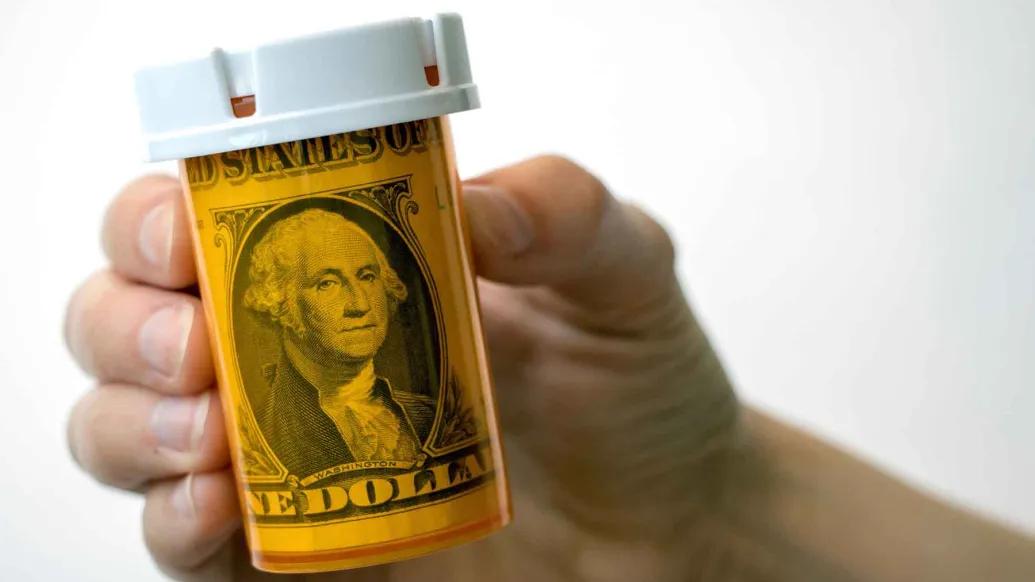
Right now, 69 million Americans have big choices to make about what kind of Medicare coverage they want for 2027. Most of them have a wide array to pick from, though recent data suggest many may not take more than an hour to pick.
But Mark Fendrick, M.D., says this year’s Medicare Open Enrollment is the most important one in the 25-year history of that annual tradition.
“There’s never been a more important time to review all your options, especially when it comes to picking prescription drug coverage,” whether it’s bundled in with a Medicare Advantage plan or offered as a separate Part D plan combined with traditional Medicare coverage, said Fendrick, a longtime University of Michigan health insurance researcher.
Why?
Recent government policy decisions, and business decisions by the insurance companies that partner with the government’s Medicare agency to offer both kinds of plans, have changed the landscape for coverage, especially for prescription drugs.
So, Fendrick said, older adults and people with disabilities need to spend time on the Medicare Plan Finder site to explore their options.
He also encourages every Medicare-eligible person to seek impartial help, such as from the 1-800-MEDICARE hotline or from their state’s SHIP program, before making their decision and submitting their choices before December 7.
Fendrick heads the U-M Center for Value Based Insurance Design and is a primary care physician and Professor in the U-M Medical School’s Division of General Medicine.
Here are his top seven tips for this year’s Open Enrollment when it comes to prescription drug coverage:
1. Don’t just look at the monthly cost of a plan.
Too many people, when they look at the Medicare site, mailers from health insurance companies or ads from brokers, focus on the monthly cost of a Medicare Advantage plan or a Part D prescription plan, Fendrick said. That monthly cost is called a premium.
It’s easy to get excited when you see $0 or some other low premium for a Medicare Advantage Plan, or a low amount for a Part D plan.
But think of that like the super sale price on a single item on the front page of a grocery store ad or a big sign in the store window.
That super-low price might get you to come in and shop, thinking that everything else in the store will be that inexpensive too.
But there are lots of other costs to think about when choosing a plan. After that low-cost item gets you into the store, what will your full cart of groceries cost you?
Special note: If you just received a letter from the plan you had for 2026, saying they won’t offer your same plan for 2027, you need to be an especially savvy shopper at the “grocery store” of Medicare.
Those letters just arrived in a lot of mailboxes, as Medicare Advantage and Part D plans pull out of certain areas, and some Part D plans have closed completely. All Part D plans will soon lose extra subsidy funding from the federal government a year earlier than they were expecting to.
“Please understand that you need to pay attention to price, which includes both your premium and your out-of-pocket costs including co-pays and deductibles, and to the fact that what you pay is linked to the generosity of your benefits,” Fendrick said. “When you decide to give up choice to pay less out of pocket, there are bound to be tradeoffs in what you get for your money.”
2. Look at the drug cost deductible for each plan that’s open to you. And be aware of the cap!
The deductible is the amount you will have to pay for your covered medications out of your own pocket before your plan will begin paying for any prescription costs.
For 2027, the government allows plans to set a deductible as high as $700. That’s up $85 from last year. For many people, spending enough on prescriptions to meet that deductible can take several months, with the costs bunched up at the start of the year or after a hospital stay or an operation.
If you’re someone who doesn’t take a lot of medications, or you do but you will take generic forms whenever they are available, some plans won’t ask you to pay anything out of your pocket for a refill. These $0 copays are really worth looking for, said Fendrick.
If you have prescriptions that don’t have generic options or that cost a lot, there’s also a government program that can help you smooth out your drug costs across the year. That way, you’re not stuck paying cash for your full deductible amount In a short time. See Tip 3 for more on this option.
Another number that has changed for 2027 is the cap on total prescription drug costs that someone with Medicare has to pay out of their own pocket. That number has gone up to $2,400, $300 higher than last year.
Plus, that cap only applies to drugs covered by your plan. So if you choose a plan and the drug you take isn’t one of the ones they cover (for instance, you want a particular brand-name drug and they only cover a generic or a competitor brand), you could blow past that $2,400 cap easily.
Fortunately, you can see all of this in the Plan Finder, or walk through it with a SHIP counselor.
3. Check out Medicare’s free “cost smoothing” plan for prescription costs
Fendrick calls the Medicare Prescription Payment Plan the best-kept secret in all of Medicare, because only 5% of the people who qualify for it actually enroll in it – even though it’s free and open to everyone in Medicare, whether they choose Medicare Advantage or traditional Medicare with Part D prescription coverage.
Basically, it helps people who have higher prescription costs smooth out what they pay for the cost of drugs covered by their plan.
For instance, if someone has a $600 drug cost deductible on their plan and they’re dreading filling their prescriptions in January, February, March and April because they know they’ll have to come up with $150 at the pharmacy cash register each time, the Prescription Payment Plan could help them by arranging it so they pay $50 each month of the year instead.
Or if someone is having surgery in March and will need expensive drugs afterward just for a few months, the plan can help spread out the costs over the rest of the year.
Fendrick’s research has shown repeatedly how high out-of-pocket drug costs can keep people from getting the care can help them keep their health conditions under control. That’s why he’s a big fan of the plan and wishes more people would take the time to opt in.
4. Look carefully at whether a plan will cover the specific drugs you take, in your doses – and if so, what it will cost you
Every Medicare prescription plan has its own list of drugs and doses that it will cover, called a formulary. If a drug isn’t on that list, the plan won’t pay for it at all. But even if it is on the list of different plans you’re considering, you might pay very different amounts depending on which plan you pick.
For instance, one plan might put a drug on a “non-preferred” list or a higher “tier” than another plan, so that you have to pay more of the cost for it every time you get a refill.
Or, one plan might require your doctor or other clinician to get permission – called a prior authorization – before letting them prescribe a drug to you. Or they may require your doctor or other clinician to show that you’ve tried other drugs first, but that they haven’t worked – a practice called step therapy.
Fendrick notes that many plans may have made changes to their 2027 formularies, and their preferred drug lists and tiers, or their prior authorization and step therapy requirements, to try to save money.
“Even if you are thinking of sticking with the same plan, you should double-check on the plan’s website or the Medicare Plan Finder to see what the drugs you currently take, at the dose level you’ve been prescribed, will cost on your current plan or other plans next year, and what hoops you have to jump through,” he said.
If you enter your prescription drug names and doses into the Plan Finder, you can see exactly how each plan will cover it, down to the tier and cost. But you have to scroll down on the page to get to that information.
One big change for 2027 formularies is that Medicare now has a list of 25 drugs that it is negotiating with drug companies with, to get a lower price for all forms and dose levels of those drugs.
This price is what insurance companies will pay, but they should pass those savings on to individuals who take these drugs if the drugs are on their plan’s formulary. The lists of drugs and the prices negotiated for Medicare coverage starting in 2026 and 2027 are here.
5. If you want to try a weight-loss medication, there’s a Medicare option, but it’s separate from Part D.
Federal law barred Medicare from covering weight-loss medications until mid-2026, when a test program called Bridge went into effect. It is scheduled to end at the end of 2027, it only covers certain GLP-1 drugs in certain formulas and doses for certain patients, and it is separate from Part D coverage.
Fendrick is waiting for more word about what will replace Bridge, because the GLP-1 drugs require long-term use in order to help people keep off weight after they have lost it. But for those who meet the criteria, he encourages them to talk with their health care provider about it. Read more about the Bridge program in this U-M Health story.
6. If you have a low income or certain health conditions, you might qualify for special Medicare programs
The Extra Help program, run by the federal Medicare system, is important for all Medicare participants with lower incomes and savings to know about. If you qualify, it can really take the sting out of prescription drug costs.
If you are enrolled in Medicaid, or SSI benefits, or a state Medicare Savings Program, you’ll get into this program automatically.
But other people with low incomes can apply for it too. If you’re accepted, you will not have to pay a monthly premium for drug coverage, and you will not have a deductible amount that you have to meet before coverage kicks in. You’ll have low copays for generic and brand drugs at participating pharmacies. The $2,400 annual cap on total spending for drugs included in your plan’s formulary will still apply.
If your health status means that you would qualify for nursing home care, but you want to remain in your own home and receive care and services at home and in the community, you may qualify for PACE. It is available in some areas of the country and is open to people age 55 and older who qualify for both Medicaid and Medicare, or for Medicare alone. It takes the place of any Medicare program including Part D prescription drug coverage, and if your income is too high for Medicaid you would pay a monthly premium. Learn more about PACE here.
Even if you don’t qualify for the federal Extra Help program or PACE, your state may offer a prescription drug assistance plan – find out here.
And some people may qualify for Medicare Advantage plans called Special Needs Plans, which tailor their benefits including prescription drug coverage and costs to people with certain major health conditions and/or Medicaid-level incomes.
7. Want to pay cash for prescription drugs to save money? There are options - but use caution.
If you want to pay cash for a drug that is not on your plan’s formulary, or is on a high tier or non-preferred drug list, you may have options.
First, ask your usual local pharmacy what their retail (cash) price is, if you don’t use your insurance. It might be lower than what you would owe if you showed your insurance card.
Next, see if the company that makes your medications offers rebates or other ways of helping with cost.
Millions of Americans have ordered prescription medications from pharmacies in Canada or another country by mail, to save money over American drugs.
However, as of January 20, 2027, the laws for such shipments will change so that any size package will be subject to more scrutiny and taxes.
Online pharmacies from the U.S. that focus on low-cost options for people outside of most insurance plans may also be an option.
Just make sure it’s a licensed and reputable site; major news outlets that have done review articles of the best sites are a good place to start. The U.S. Food and Drug Administration has advice about how to make sure you are shopping safely online.

Health Lab
Explore thousands of health news & research stories by visiting the Health Lab homepage for more.
Media Contact

Public Relations
Department of Communication at Michigan Medicine
In This Story

A Mark Fendrick, MD
Professor
Related

Many older adults make Medicare decisions quickly and most don’t change plans, poll finds

7 things every family caregiver should know – but many don’t
Featured News & Stories

Learning Together: Making Space for Growth at Work
Many older adults make Medicare decisions quickly and most don’t change plans, poll finds

What’s the latest on 7-OH and kratom availability and addiction care?

Better prenatal care data could help prevent maternal complications, experts say

Many hospitals still don’t do enough to prevent UTIs from catheters

