Is surgery the best option for ruptured Achilles tendons in young adults?
Achilles tendon ruptures are normally treated with surgical procedures, but there are other options with equal outcomes
11:34 AM
Author |
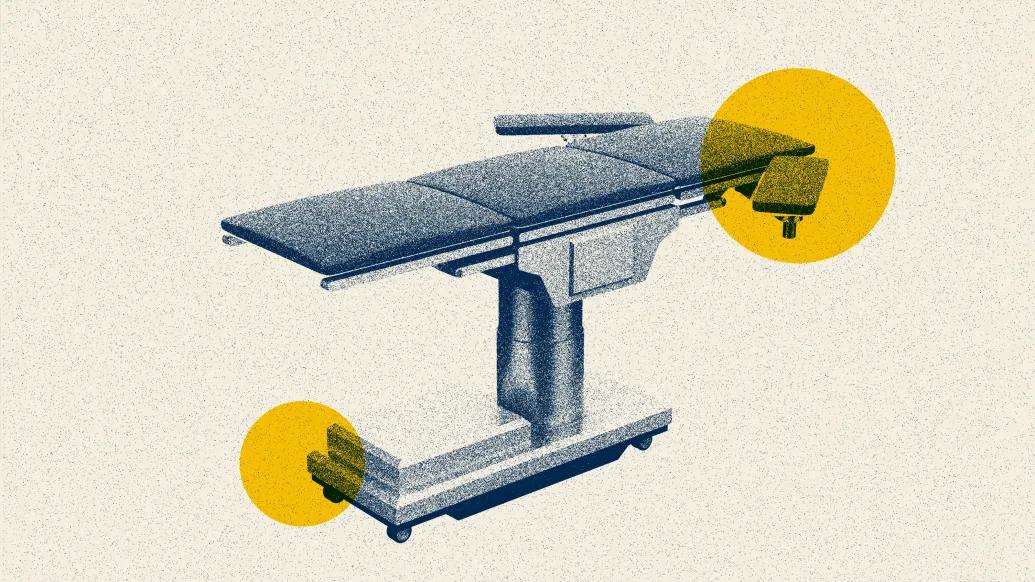
An Achilles tendon rupture typically means surgery for many patients.
A research team led by Laurence Ge, M.D., an orthopaedic surgery resident mentored by Paul Talusan, M.D. at University of Michigan Health looked at the difference in outcomes of those treated with and without surgical procedures for their Achilles tendon ruptures in young adults.
While surgical Achilles tendon repairs reattach the torn tendon to help the torn pieces fuse together again, there is a rehab protocol that can avoid surgery. This protocol involves the patient flexing their foot down to help bring the pieces of the tendon close together during scarring, creating the same effect a surgical procedure would have.
The study looked at patients between the ages of 18 and 30 who are not athletes to assess their outcomes from both types of treatment for ruptured Achilles tendons.
“Patients under 30 years of age will typically receive a surgical repair when their Achilles tendon is ruptured due to being more physically active,” said Ge.
“However, our research showed that there is little difference between surgical repair and rehabbing the ruptured Achilles tendon when it comes to ability to function.”
The findings provide more treatment options for these patients.
“We hope that this will help reassure patients and physicians about the outcomes of non-surgical repairs for ruptured Achilles tendons,” said Ge.
“Regardless, it is always important to discuss with your physician what is best for you when it comes to these types of injuries.”
Additional authors include Dakota Betts, James R Holmes, David M Walton, and Paul G. Taluan of U-M’s Department of Orthopaedic Surgery, and Noah Saunders of the University of Toledo College of Medicine and Life Sciences.
Citation: “Midterm Outcomes of Operatively and Nonoperatively Managed Achilles Tendon Ruptures in Young Adults,” Foot and Ankle Orthopaedics. DOI: 10.1177

Health Lab
Explore thousands of health news & research stories by visiting the Health Lab homepage for more.
Featured News & Stories

Expanding camp adventure for all
A method to prevent falls before they happen

Giving with gratitude: planned gifts support nursing, research, and patient care

A smarter helmet for the smallest patients

To reduce chronic pain, a new digital program could help