
Study: Vaccine Suppresses Peanut Allergies in Mice
U-M researchers aim to develop a new immunotherapy that could alter the immune reactions to food. The result: extended relief from peanut allergies.
4:00 AM
Author |
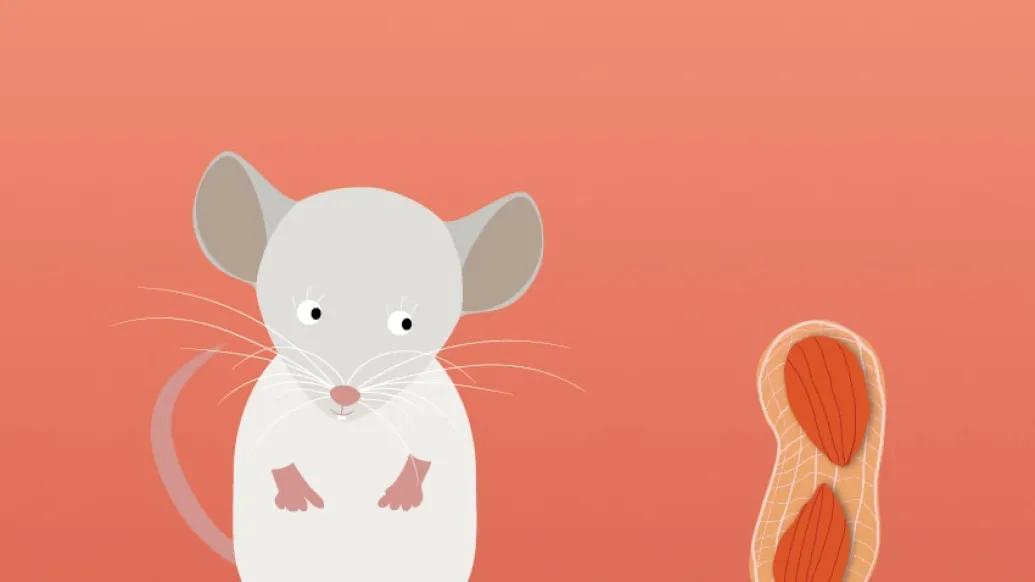
A vaccine may successfully turn off peanut allergy in mice, a new study shows.
MORE FROM THE LAB: Subscribe to our weekly newsletter
Just three monthly doses of a nasal vaccine protected the mice from allergic reactions upon exposure to peanut, according to research from the Mary H. Weiser Food Allergy Center at the University of Michigan.
U-M researchers have spent nearly two decades developing a vaccine agent and have recently translated this work to the development of a vaccine to treat food allergies. In the new study, immunizing peanut allergic mice can redirect how immune cells responded to peanuts in allergic mice.
The new approach activates a different type of immune response that prevents allergic symptoms.
"We're changing the way the immune cells respond upon exposure to allergens," says lead author Jessica O'Konek, Ph.D., a research investigator at the food allergy center. "Importantly, we can do this after allergy is established, which provides for potential therapy of allergies in humans."
"By redirecting the immune responses, our vaccine not only suppresses the response but prevents the activation of cells that would initiate allergic reactions."
The study, funded by grants from Food Allergy Research & Education (FARE) and the Department of Defense, was published in the Journal of Allergy and Clinical Immunology. It was also funded by a gift from the Shaevsky Family Foundation.
New approach to suppressing allergies
The mouse models studied responded to peanut allergies similarly as affected humans, with symptoms that included itchy skin and trouble breathing. The study assessed protection from allergic reactions two weeks after the final dose of vaccine was administered.
SEE ALSO: Successful Clinical Trial for Peanut Allergy Treatment Spreads Hope
Studies to determine duration of protection are ongoing, but researchers are encouraged that this approach will lead to long-lasting suppression of allergies.
The findings are another step toward a potential clinical trial down the road to test the method in humans.
"Right now, the only FDA-approved way to address food allergy is to avoid the food or suppress allergic reactions after they have already started," O'Konek says. "Our goal is to use immunotherapy to change the immune system's response by developing a therapeutic vaccine for food allergies."
Fuel for future research
Next steps include further studies in mice to better understand the mechanisms responsible for the suppression of food allergies and to learn whether protection from peanut allergies can be extended for an even longer period of time.
"Food allergy has exploded in prevalence and incidence, but we still know so little about it because there hasn't been that much research in the field," says senior author James Baker Jr., M.D., director of U-M's food allergy center. He is also the CEO of FARE.
"This research is also teaching us more about how food allergies develop and the science behind what needs to change in the immune system to treat them," Baker says.
This study was specifically funded by the DOD's Modulation of Food Allergy Responses with a Nanoemulsion-based Allergy Vaccine grant and FARE's New Investigators Award.

Health Lab
Explore thousands of health news & research stories by visiting the Health Lab homepage for more.
Media Contact

Public Relations
Department of Communication at Michigan Medicine
Stay Informed
Want top health & research news weekly? Sign up for Health Lab’s newsletters today!
Featured News & Stories

Have an MCAS diagnosis? Well, maybe not
A first-of-its-kind treatment for mastocytosis

Measles: 10 things to know about immunization and prevention

Ragweed Pollen Shows Negative Effect of Quality of Life for Some

Why aren’t more older adults getting flu or COVID-19 shots?
