Study reveals how a popular fentanyl additive affects breathing and heart rate
Supplies of fentanyl mixed with the animal tranquilizer xylazine have been on the rise across the U.S.
9:00 AM
Author |
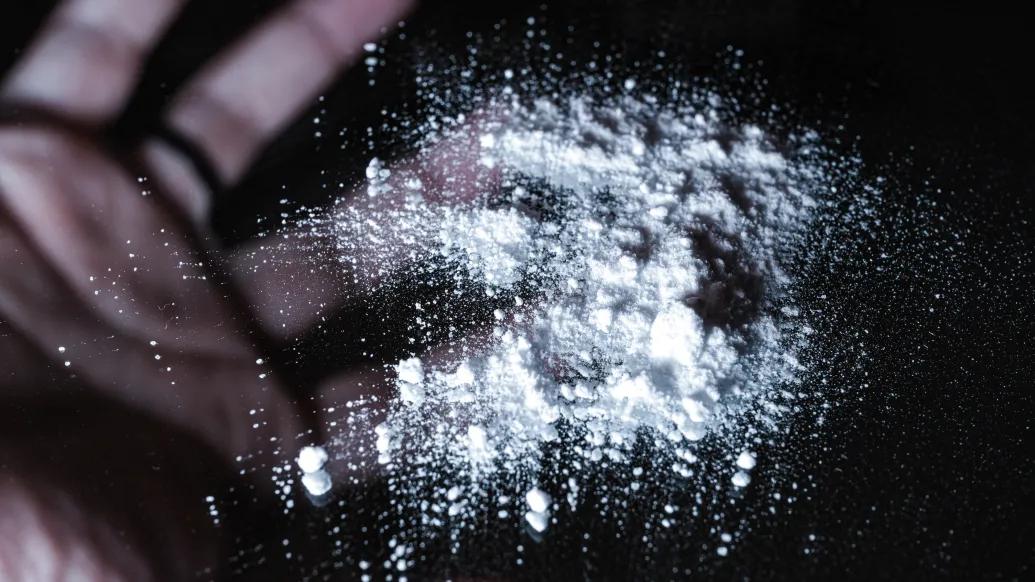
While the grip of the opioid epidemic is loosening, thanks in part to extensive public health efforts and rescue medications like Narcan, deaths from accidental overdose still threaten those who use synthetic opioids like fentanyl. The drug is increasingly mixed with other potent substances, including animal tranquilizers such as xylazine, making it even more dangerous.
States across the country, including Michigan, are seeing a drastic increase in xylazine-involved fatalities, according to a report from the Michigan Department of Health and Human Services.
However, very little is known about how the sedative, which is not approved for human use and causes severe skin ulcers, affects breathing when mixed with fentanyl.
A new U-M study from the laboratories of John Traynor and Erica Levitt in the Edward F. Domino Research Center uncovers how fentanyl and xylazine interact in a mouse model.
“We don’t have any clear data as to whether xylazine increases the risk of overdose, so we needed to test its physiological effects in an animal model,” said Jess Anand, Ph.D., research assistant professor of pharmacology at the U-M Medical School and author on the study.
Working with first author, graduate student Catherine Demery, the team set out to test their hypothesis that xylazine would worsen the often-deadly decrease in breathing rate that is characteristic of fentanyl use.
Fentanyl-induced pauses in inhalation, or apneas, correlated with a drop in blood oxygen levels. But xylazine did not amplify the extent to which fentanyl reduced oxygen levels.
“What we found is the breathing rate depression is not a one plus one amplification. We didn’t see a drastic synergism of these drugs in their respiratory effects, which is good and somewhat surprising,” said Demery.
However, they did find that xylazine reduced heart rate more than fentanyl. A potentially more important driver of increased risk of overdose is this decrease in heart rate caused by xylazine, said Demery.
Thankfully, overdose reversal medications such as Narcan, which work by blocking the opioid receptors in the brain, are typically enough to overcome an overdose caused by fentanyl adulterated with xylazine, they stress.
Their insights, say the authors, may open other avenues of research into polysubstance use involving opioids.
“It’s crucially important to keep research up to pace with what’s going on in real life, otherwise the people facing issues now might not get the help they need,” said Anand.
Additional authors: Sierra C. Moore, Erica S. Levitt, and John Traynor
Funding: This work was supported by the National Institutes of Health grants UG3 DA056884, R21DA051723, R01 DA061320, R01 HL174547, and T32 GM132046.
Paper cited: “Xylazine Exacerbates Fentanyl-Induced Respiratory Depression and Bradycardia,” The Journal of Pharmacology and Experimental Therapeutics. DOI: 10.1016/j.jpet.2025.103616
Sign up for Health Lab newsletters today. Get medical tips from top experts and learn about new scientific discoveries every week.
Sign up for the Health Lab Podcast. Add us wherever you listen to your favorite shows.

Health Lab
Explore thousands of health news & research stories by visiting the Health Lab homepage for more.
Media Contact

Public Relations
Department of Communication at Michigan Medicine
In This Story

Jess Anand
Research Assistant Professor

John R Traynor
Professor
Featured News & Stories
The solution to death from a fentanyl overdose could lie in its chemical structure

Smoking, drinking means higher surgery risks, but health coaching before surgery could help

Opioid use after eye surgery correlates to new, persistent use in previously opioid-naïve patients

Can’t Resist Tempting Food? Scientists Explore Why
Using Marijuana to Treat Glaucoma