Stem cell transplant helps treat scleroderma
After the successful treatment, a patient shares his story to inspire others
5:00 AM
Author |
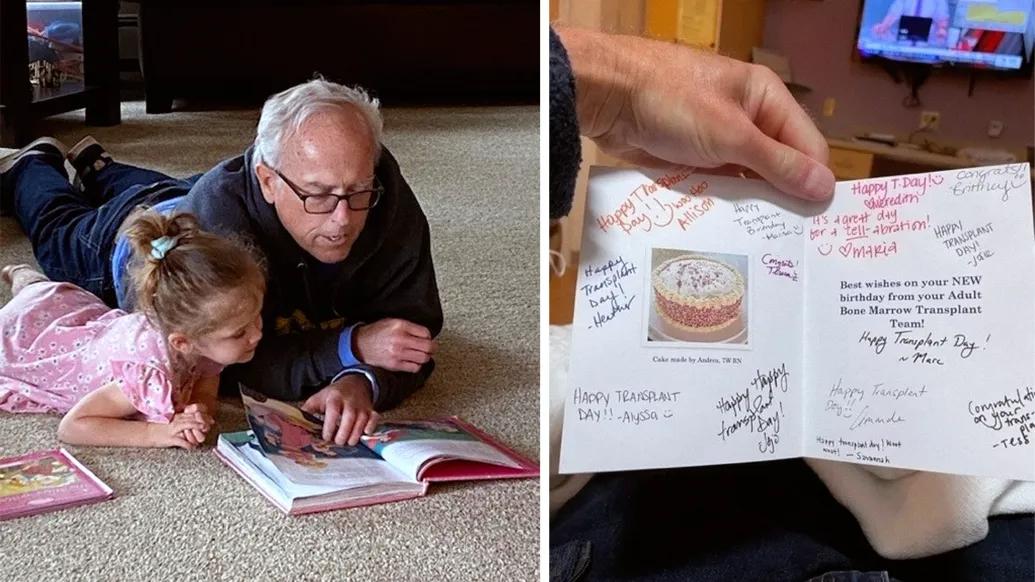
Living with systemic scleroderma (also known as systemic sclerosis) for five years had taken a toll on Glen Copeland’s body, making tasks as simple as walking, eating or breathing a challenge.
But now, a new stem cell treatment has Copeland back to living his life and sharing his experience with other scleroderma patients around the country.
How it began
In 2018, Copeland came to the University of Michigan Health System to receive treatment for his diagnosis of early scleroderma.
At the time, he had heard of stem cell treatments to stop the progression and reverse some of the side effects of the disease, but his symptoms needed to progress before this became an option.
Around October of 2021, though, Copeland and his rheumatologist and director of the University of Michigan Health System’s Scleroderma Program, Dinesh Khanna, MBBS, MSc started noticing an acceleration in the decline in his lung function, despite being on several therapies to treat lung fibrosis. This was in addition to an increase in fatigue, stiffness in his back and difficulty fully opening his hands.
That’s when Copeland and his team decided it was the ideal time to start the stem cell treatment.
A long journey
Scleroderma is an autoimmune disorder characterized by the tightening of cell tissue throughout the body.
Some of the most common areas of the body to be affected are the heart, lungs, kidneys and skin cells. The tightening can reduce the function of certain organs as well as cause stiffness throughout the body.
To be effective, stem cell treatment requires that the patient is in a state where scleroderma is active and progressive enough that new stem cells will help improve bodily function, but the body isn’t so weak that it will reject the treatment all together.
Copeland’s body fit perfectly within that sweet spot, and planning for the treatment started in December of 2021.
The first step of the treatment was to remove some stem cells from his body through a process called apheresis.
These stem cells went through a process that removed the memory of scleroderma from the cells. At the end of treatment, when the stem cells were placed back into his body, the cells had no memory of the autoimmune disease, which resulted in inability for the disease to regenerate.
While the stem cells outside of Copeland’s body were being prepared, treatment on the immune cells left inside the body began. Copeland received an immunosuppressive treatment with chemotherapy, radiation, and serotherapy.
“Each of these treatments ‘wipes clean’ the immune cells inside the body,” said Sarah Anand, M.D., a hematologist at the University of Michigan Health System. “Not only will the immune cells not remember the scleroderma disease, but they also won’t remember any vaccinations or other immunities built up over time.”
The loss of immunizations leaves patients at a much higher risk of getting sick during the process. Copeland had to remain cautious of his surroundings and wear the proper protection, such as masks, when necessary.
“I needed to make sure I was wearing a mask whenever possible,” said Copeland. “This was especially important when I wanted to do something like gardening. I had to protect my body from any microbes that could potentially harm my weakened immune system.”
The final step involved placing Copeland’s stem cells back into his body.
“It is preferred that we use the stem cells from the patient when administering this treatment rather than donor stem cells,” said Khanna. “Stem cells that come from the patient’s body have no chance of being rejected from the body and resulting in effective treatment.”
After immunosuppressive treatment with chemotherapy, radiation, and serotherapy, Copeland’s “cleaned” stem cells were placed back into his body. The treatment resulted in an improvement in his lung fibrosis and in his lung capacity.
He’s now in remission.
Sharing his story
Since the treatment, Copeland has enjoyed spending time gardening and being up north in Michigan. While his immune system regains strength, he’s still required to wear a mask while doing these activities, yet says, even so, he’s noticed an ease with his movements that wasn’t there before.
“If I had to go through the whole process again, I would,” Copeland said. “I feel very fortunate that I had a positive experience and have seen such an improvement in my health. The medical team at Michigan Medicine was fantastic. I can’t say enough about the care I received.”
Before treatment, Copeland took to social media to talk to other scleroderma patients who had also gone through stem cell treatment for scleroderma.
“I was able to talk to someone through a Facebook group about their treatment experience,” he said. “My team did a great job of preparing me for what was to come, but talking to someone else who has been through the experience brings a different type of comfort. I helped me confirm that I was making the right choice and to be ready for what was ahead.”
Now, Copeland shares his experience with other scleroderma patients around the country through Facebook groups and presentations at conferences. He wants others facing the same treatment to know they’re not alone.
“It’s rewarding to know that I could bring that same type of comfort I felt to someone else through sharing my experience,” Copeland says.
His key advice? Work closely with your doctors.
“Your health and treatment are a joint effort between you and your medical team,” he said. “Both parties must work together to make it successful. Be open about any concerns you may have. You don’t need to be a hero and suffer through your symptoms; you owe it to yourself to feel good and be as healthy as possible.”

Health Lab
Explore a variety of health care news & stories by visiting the Health Lab home page for more articles.
Media Contact

Public Relations
Department of Communication at Michigan Medicine
Stay Informed
Want top health & research news weekly? Sign up for Health Lab’s newsletters today!
Featured News & Stories

Psychoactive substances and adverse side effects for patients with multiple sclerosis

Kidney transplant recipient celebrates 10 year anniversary at Transplant Games
What does cannabis 'rescheduling' mean for science and society?
For scleroderma research, patients seen as essential co-creators
Managing cirrhosis pain without drugs