Six ways to prevent your child from playing with fire
And what to do if they’re already misusing candles, matches, lighters and more.
9:18 AM
Author |
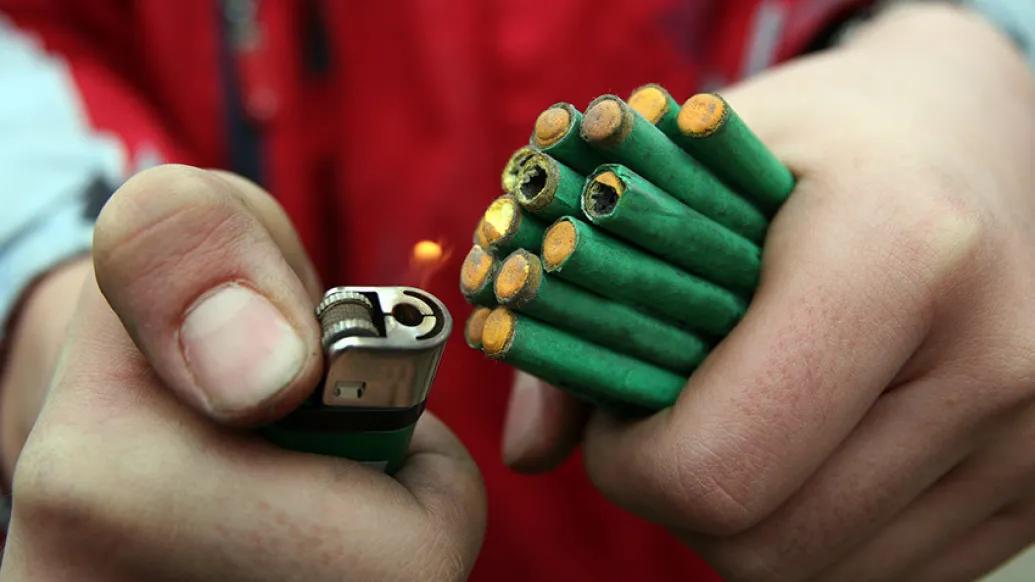
When Sean* was 15 years old, he set his high school on fire.
It wasn't an accident. He was angry that he didn't get good grades, that he didn't feel like he fit in, that he was picked on. But he didn't talk to anyone about his emotions — and eventually they came out in a destructive way.
Sean caused more than $700,000 worth of property damage and was convicted of four felonies. He spent several years in prison. Yet, after signing up for counseling and participating in the University of Michigan Trauma Burn Center's Straight Talk program, which has taught youth about the consequences of misusing fire for more than 20 years, he was able to change his behavior, improve his relationships with his family and even start his own business.
"You're faced with a choice after the fact," Sean said in a recent interview with Michigan Health. "You can either accept that you did it, learn something from it and get better, or you can keep more of a victim mentality. It was really helpful in Straight Talk to see that you don't have to keep that latter mindset — you can move forward and change life, and here's a bunch of people who want to help you do that."
Misusing fire
Sean is one of many kids who has misused fire, whether it's motivated by curiosity or crisis.
The National Fire Protection Association estimates that children playing with fire caused an average of 8,100 fires in American structures — including homes, schools and other buildings — each year between 2014 and 2018. And arson is the criminal act with the largest proportion of juvenile arrests in the United States; on average, 50% have been younger than 18 years old.
The added pressures of the pandemic may have pushed these numbers even higher: The U-M Straight Talk program has seen an increase in referrals for youth fire-setting over the past year and a half.
"This might be related to associated family, community and financial stressors that the pandemic has caused," said Karla Klas, R.N., the managing director for injury and violence prevention and community outreach for the U-M Trauma Burn Center. "We know people have been struggling, and this definitely affects the children, too."
Klas has taken it upon herself to spread awareness of this issue by partnering with the state's Fire Marshal Office and the MI Prevention Statewide Community Risk Reduction Coalition to proclaim August Michigan's first Youth Firesetting Prevention Month — one of the first steps in creating a statewide initiative dedicated to this topic.
SEE ALSO: 7 Need to know safety tips for summer holidays
"Youth fire-setting is a high-risk behavior that greatly impacts the community and school safety," Klas said. "Through research and experience, we know that without appropriate intervention, or, importantly, if only punishment is used, youth who misuse fire are likely to do it again.
Youth fire-setting is a high-risk behavior that greatly impacts the community and school safety. We know that if only punishment is used, youth who misuse fire are likely to do it again.Karla Klas, BSN, RN, CCRP
"The good news is that we can make a difference and keep youth fire-setting from happening through prevention, early identification and supportive education," she said, "and get youth like Sean the help that they need to thrive."
Firesetting prevention in adolescents
All children are at risk for using fire unsafely. Follow these tips, which Klas compiled for the National Fire Prevention Association, to keep dangerous items away from kids and help them understand the risks of fire.
- Keep matches and lighters out of the reach of children, up high, preferably in a locked cabinet.
- Closely supervise children, making sure they are kept away from other fire sources, including lit candles, cigarettes, bonfires and stoves.
- It is natural for young children to be curious and ask questions about fire, play with fire trucks or pretend to cook. Use these opportunities to teach them about fire safety.
- Explain that fire moves very fast and can hurt as soon as it touches them. Tell them that this is why matches and lighters are tools for adults only.
- Teach young children to never touch matches or lighters. They must go tell a grown-up when matches or lighters are found.
- Establish clear rules and consequences about unsupervised and unauthorized uses of fire.
- Be a good example! Always use fire sources — matches, lighters, candles, fireplaces, and campfires — in a safe manner. Never treat them as toys, or children may imitate you.
- Talk with children about what their friends or other children are doing with fire. What are they seeing online in video games, on television, in movies, and on social media? Teach them specific ways to resist the peer pressure to misuse fire.
- Give praise for showing respect and responsible, age-appropriate behavior toward fire.
Early identification of kids misusing fire
If you have a child between the ages of eight and 17 who has played with matches or lighters; used accelerants, fireworks or bottle bombs; or committed arson, you can refer them to the Straight Talk program.
Youth who have observed other kids playing with fire or who have a heightened interest in fire are also eligible. Please contact the U-M Trauma and Burn Center for additional options if your child is younger than eight and has misused fire.
SEE ALSO: Keeping kids safe from gun accidents: 6 strategies for families
Supportive redirection
The Straight Talk program is a free, one-day class every other month. (During the pandemic, the class has moved online, and staff continue to evaluate when it will be safe to return to an in-person format.)
Everyone from firefighters and social workers to arson police and burn survivors join together to teach youth who misuse fire about the medical, social, legal and financial consequences of their actions using interactive techniques that promote a safe environment and prevent injuries. Sean has been a regular speaker as well.
*For privacy, only Sean's first name was used for this story.
Like Podcasts? Add the Michigan Medicine News Break on iTunes, Google Podcasts or anywhere you listen to podcasts.

Health Lab
Explore thousands of health news & research stories by visiting the Health Lab homepage for more.
Media Contact

Public Relations
Department of Communication at Michigan Medicine
Stay Informed
Want top health & research news weekly? Sign up for Health Lab’s newsletters today!
Featured News & Stories

U-M-led consortium to receive up to $52 million in NIH funding to study why viral respiratory infections affect children differently
4 in 5 parents say having a baby is too expensive

E-Bikes are everywhere, but most parents say they don’t know enough about them

C.S. Mott Children’s Hospital named No.1 children’s hospital in Michigan by U.S. News & World Report
Talent show brings joy to kids at children’s hospital