Sepsis can kill even previously healthy people if recognized too late, finds study
More sepsis awareness among the general public and first responders could benefit more people
5:00 AM
Author |
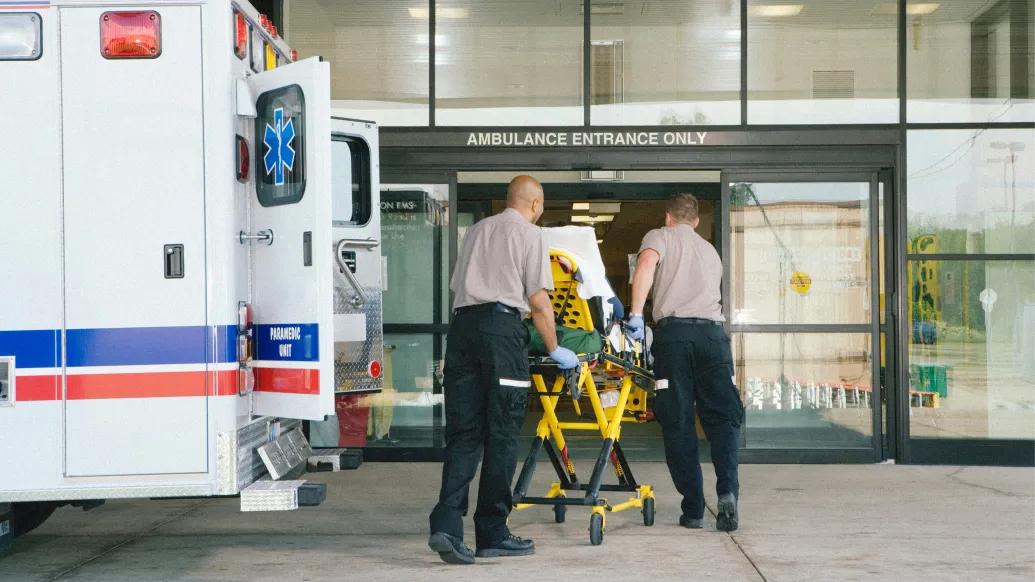
A recent study University of Michigan led study finds that ten percent of patients hospitalized with sepsis were previously healthy—and many of those who ultimately died did so because it was too late to intervene.
The work, led by Rachel Hechtman, M.D., Hallie Prescott, M.D., and their team, focused on healthy patients as a way to tease out the effects of advanced age, comorbidities and other common risk factors on sepsis outcomes.
Using data from 66 hospitals in Michigan from more than 25,000 patients with sepsis, the team identified a subset as previously healthy, lacking major health conditions such as cancer, chronic pulmonary disease and heart failure.
Previously healthy patients tended to have less organ failure upon arrival at the hospital and more COVID-19 related sepsis (the study included data from 11/2020 – 10/2024).
Treatment for these patients differed as well, with less adherence to sepsis management practices, such as blood culture collection and timely delivery of antibiotics.
Those who unfortunately died tended to be older, and had more acute respiratory dysfunction, altered mental status and shock upon admission to the hospital.
During their course of treatment, these patients also received vasopressors and invasive mechanical ventilation more often than survivors, notes the authors.
Most of their deaths were deemed to be unpreventable due to how sick they were when they arrived at the hospital.
Overall, almost 10% of previously healthy patients with sepsis died within 90 days of hospitalization.
The study, notes the team, identifies system level opportunities to reduce the rate of death in patients with sepsis.
“Efforts to increase sepsis awareness among the public and first responders would benefit everyone. Some of these tragic deaths among previously healthy people might have been avoided if their illness had been prevented through vaccination or recognized and treated early before they got sick enough to come to the hospital,” said Hechtman.
Additional authors: Megan E. Heath, Ph.D.; Jennifer K. Horowitz, M.A.; Elizabeth McLaughlin, M.S., RN; Patricia J. Posa, R.N., B.S.N., M.S.A., CCRN; John Blamoun, M.D.; Paul Bozyk, M.D.; Megan Cahill, D.O., M.B.A., FACOEP; Rania Esteitie, M.D., FCCP, ATSF; Kevin Furlong, D.O.; Namita Jayaprakash, MB, BcH BAO, MRCEM; Jessica Jones, PharmD; Maximiliano Tamae-Kakazu, M.D.; Joan Nagelkirk, M.D.; Thomas Pfotenhauer, D.O.; Derek C. Angus, M.D., M.P.H., FRCP; Scott A. Flanders, M.D.; Elizabeth S. Munroe, M.D.
Funding/disclosures: This study was supported by Blue Cross Blue Shield of Michigan and Blue Care Network as part of the Blue Cross Blue Shield of Michigan Value Partnerships program. R. K. H. and H. C. P. were supported by the National Institutes of Health [Grant T32HL007749-31].
Paper cited: “Epidemiologic Characteristics and Management of Sepsis Among Previously Healthy Patients,” CHEST Critical Care. DOI: 10.1016/j.chstcc.2025.100148

Health Lab
Explore thousands of health news & research stories by visiting the Health Lab homepage for more.
Media Contact

Public Relations
Department of Communication at Michigan Medicine
In This Story

Rachel K Hechtman, MD
Clinical Instructor
Stay Informed
Want top health & research news weekly? Sign up for Health Lab’s newsletters today!
Featured News & Stories

Top 7 tips for choosing Medicare prescription drug coverage for 2027
Comprehensive DNA sequencing reveals hidden drivers of cancer
‘Molecular glue’ stabilizes protein that inhibits development of non-small cell lung cancer and uterine cancer

Many older adults make Medicare decisions quickly and most don’t change plans, poll finds
What’s the latest on 7-OH and kratom availability and addiction care?