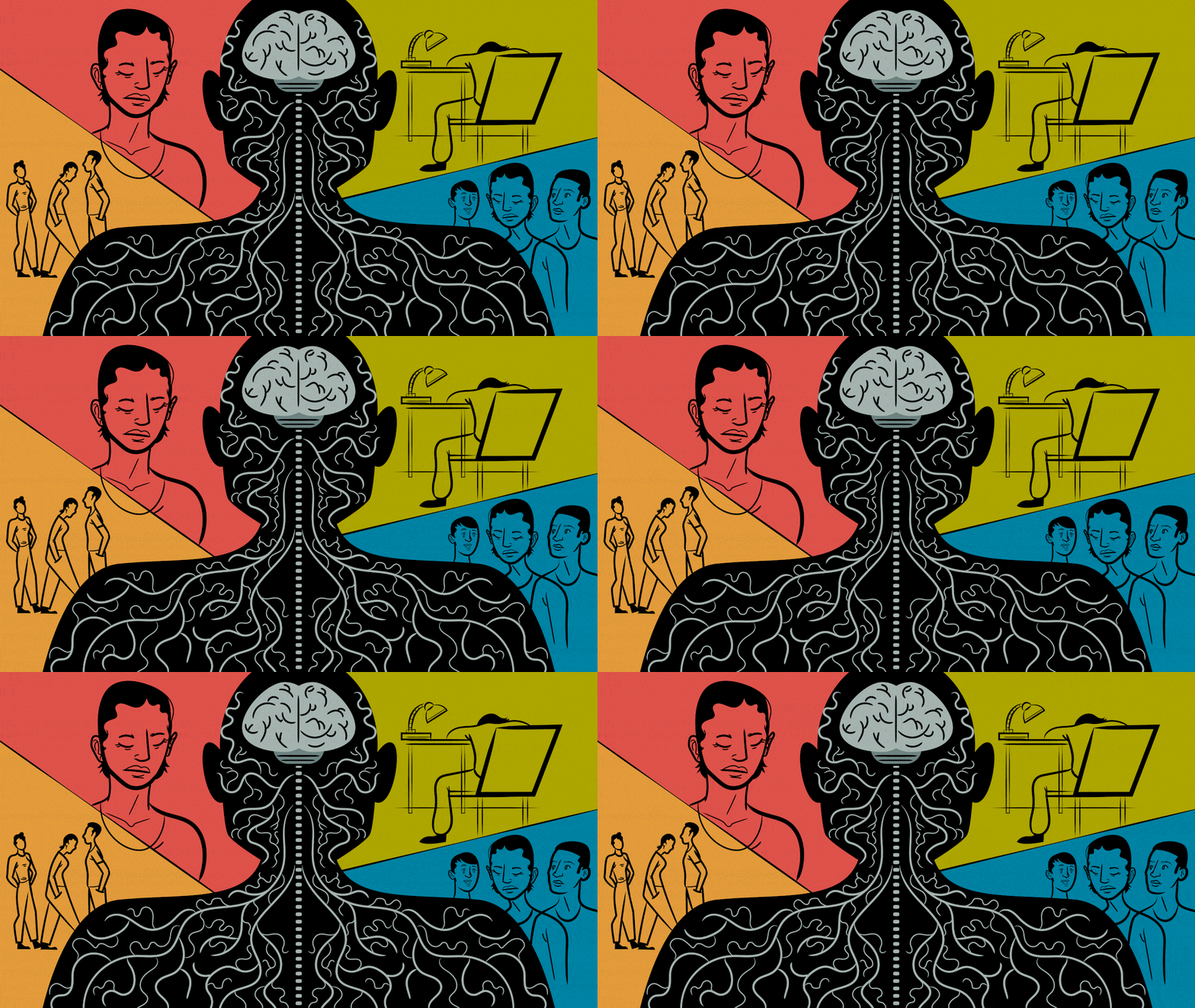
For scleroderma research, patients seen as essential co-creators
Two scleroderma warriors help design research to manage fatigue
5:00 AM
Author |
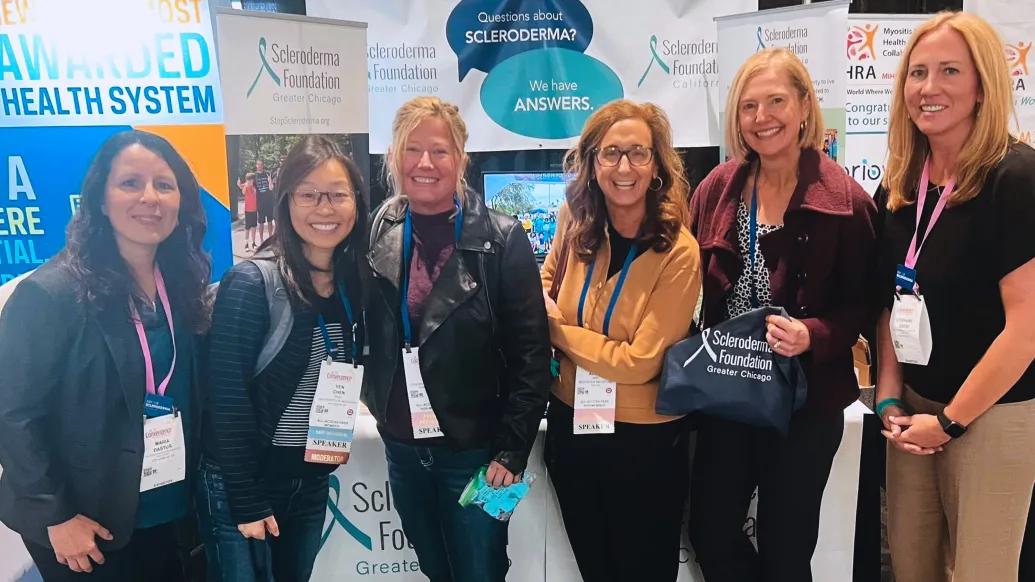
When diagnosed with a chronic illness, community can be one of the most healing treatments to be found.
Scleroderma warriors, Sheri Hicks and Mary Alore know this firsthand.
The pair were both diagnosed with scleroderma over a decade ago, Hicks in 2007 and Alore in 2011, and realized early in their treatment they needed to not only talk with their providers, but peers with scleroderma.
“We were both being treated by the same provider for scleroderma at University of Michigan Health and separately expressed to him during clinical visits that we wanted to find a scleroderma community to talk about our experiences peer to peer,” said Alore.
“With our permission, he put us in contact with each other, and we have been working to create a community of scleroderma warriors in southeast Michigan since.”
Since their meeting in 2012, the pair has been able to create a community of “Chronic Crusaders.”
This community gives those with chronic illnesses an opportunity to discuss their lived experiences with peers, educate each other and form bonds.
The Chronic Crusaders community generated success among people living with chronic illnesses, and one provider at U-M Health started to take notice.
Involving patients in clinical research
In 2018 while presenting research at an event, Susan Murphy, SCD, OTR, a Professor in Physical Medicine and Rehabilitation and Rheumatology at U-M Health, approached Alore and Hicks to discuss a potential research collaboration.
At the time, Murphy was beginning a new phase of research for her peer-led symptom management program, Resilience-building Energy Management to Enhance Wellbeing, more commonly referred to as RENEW.
RENEW uses a mobile app that helps individuals living with chronic illness track symptoms and health behaviors, so they can see what eases their symptoms or what makes them worse.
The program also pairs participants with peer health coaches, people like Alore and Hicks who have scleroderma, who provide support and practical strategies for managing daily challenges.
This specific research project focused on combating fatigue and Murphy needed a few peer health coaches who would be willing to work with patients with scleroderma around the globe for a two-year research study.
“Having Dr. Murphy come to us not only recognizing the community we built but the power that peer to peer interaction has within the chronic illness community was an honor,” said Hicks.
“We were both enthusiastic about the research project and quickly agreed to participate.”
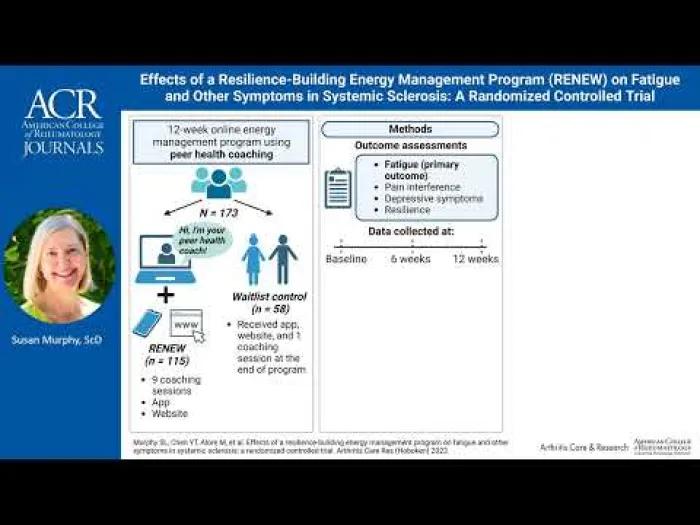
The research consisted of a treatment group that received the 12-week RENEW program and a control group that could receive the RENEW program after 12 weeks of reporting their fatigue and other symptoms.
Participants in the RENEW program met with peer health coaches once a week for the first six weeks and then every other week for the remaining six weeks to track their progress while combating fatigue.
They also used the RENEW app to set and monitor health goals aimed at reducing fatigue.
In the study published in the American College of Rheumatology, participants in the RENEW program reported less fatigue and other related symptoms, including pain and depressed mood.
They also reported greater resilience. However, these improvements were not seen in the control group.
In follow up interviews, nearly all participants said the most important part of RENEW was the peer health coaching.
The outcome confirmed Murphy’s hypothesis, that involving community members willing to be leaders is beneficial for patients when learning the best way to cope with their chronic illness.
It wasn’t only the participants that experienced a positive result, though.
“Hearing what different participants were doing to help combat their fatigue and how it worked for them gave me new ideas on ways to combat fatigue for myself,” said Alore.
“Both of us learned new skills or tricks to combat our fatigue that we had never thought of and applied them to our daily lives. Even better, we were able to go back to the participants we coached and tell them we tried their method and give our feedback.”
Alore and Hicks found that the process of being peer-health coaches motivated them to continue learning, share new strategies, and stay engaged in the scleroderma community.
The research process made it clear to Alore, Hicks and Murphy that involving community members as true partners in clinical research can be crucial to creating well rounded research.
By partnering with community members in research, Murphy has been able to tailor the RENEW program in a way that is easily accessible for the patient.
“In order for a program such as RENEW to be effective for patients, it needs to be able to be easily used by the community,” said Murphy.
“I have received lots of feedback from patients and community members involved in this research that has shaped how the app is used so it is easiest for patients to understand. Some of this feedback has even included how to best use the app with the common hand limitations of scleroderma such as clicking buttons instead of scrolling to what is needed for patients to successfully log their symptoms. This is valuable feedback that can determine how successful a tool such as RENEW is for patients and wouldn’t have been possible without the meaningful involvement of a community that cares deeply about helping their peers.”
Letting scleroderma voices be heard
For Alore and Hicks, being involved in clinical research gave them new insight into what is being done to advance scleroderma treatment.
Both were invited to speak at the 2025 ACR Convergence Patient Perspectives section to share their journey and involvement in research.
“Being involved in a clinical trial not only allows you to give input about how you are being affected by a treatment or resource but allows you to learn how this research is conducted,” said Alore.
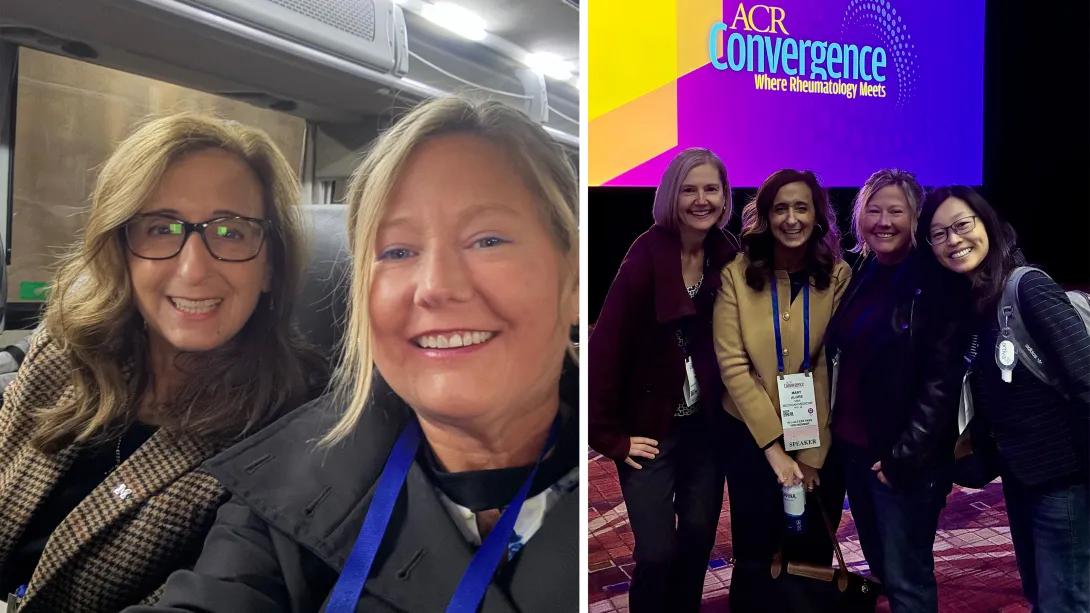
That education piece was priceless, says Alore, as she learned much more about her condition from watching experts break it down to advance treatment.
“Seeing what the researchers were doing, learning the importance of various elements of research and hearing their overall enthusiasm for this project was motivating as a patient,” said Hicks.
“It motivated me to continue to give my feedback, be as honest as possible with my provider and make sure my experience is heard to help better the scleroderma community.”
Moving forward, Murphy plans to continue to involve community participants in her research as much as possible.
“The best part of community participation in research is how much more impactful the research is by working together on a common goal,” said Murphy.
“It has been an extremely rewarding experience and enhanced the quality of the research. I encourage all researchers to partner with their communities where they can.”
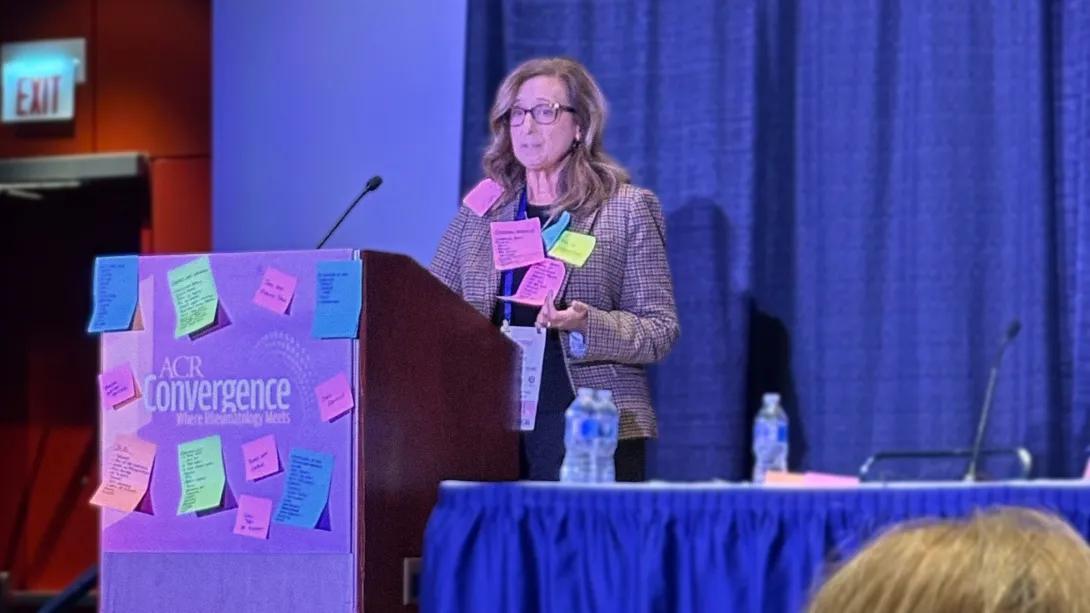
Murphy reinforced this same message in her ARP Distinguished Lecture, It Takes a Village: Co-Creating Health Interventions through Collaborative Research and Community Empowerment, emphasizing that patients are team members and future users of the interventions they help shape, as highlighted by the 2025 ACR Convergence.
Murphy will be continuing to test RENEW in larger trials to compare its effectiveness with other fatigue treatments and expanding to other rheumatic conditions.
Her team continues to partner with people in the community to create high quality programs that will be used by patients.
Alore and Hicks also plan to continue participating in clinical trial research and are both currently involved in clinical trials.
“Having the ability to give feedback on care that could impact you is important and a gift,” said Alore.
“Not only do you receive an educational experience as the patient in the clinical trial, but you can help educate the researchers on what is most important to you when it comes to your care,” said Hicks.
To learn more about how to get involved in clinical trials, visit U-M Health Research.
Additional authors: Yen T. Chen, Adam Pape, Afton L. Hassett, Anna L. Kratz, Daniel Whibley, Alexandra E. Harper, Sulyuan Huang, Gina Jay, Shannen Bolde and Dinesh Khanna from University of Michigan, Ann Arbor, Michigan.
Paper cited: “Effects of a Resilience-Building Energy Management Program on Fatigue and Other Symptoms in Systemic Sclerosis: A Randomized Controlled Trial,” Arthritis Care and Research. DOI: https://doi.org/10.1002/acr.25253
Sign up for Health Lab newsletters today. Get medical tips from top experts and learn about new scientific discoveries every week.
Sign up for the Health Lab Podcast. Add us wherever you listen to your favorite shows.

Health Lab
Explore thousands of health news & research stories by visiting the Health Lab homepage for more.
Media Contact

Public Relations
Department of Communication at Michigan Medicine
In This Story
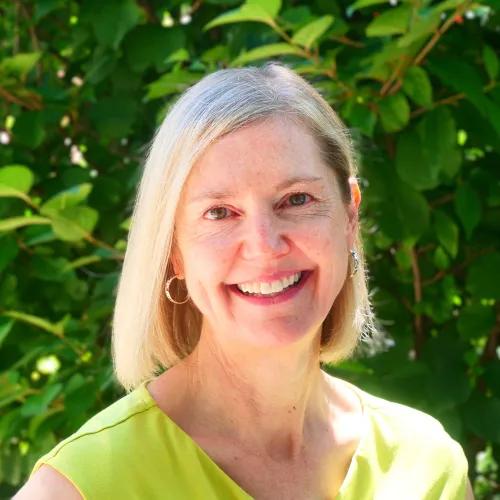
Susan Murphy, ScD, OTR
Professor
Related
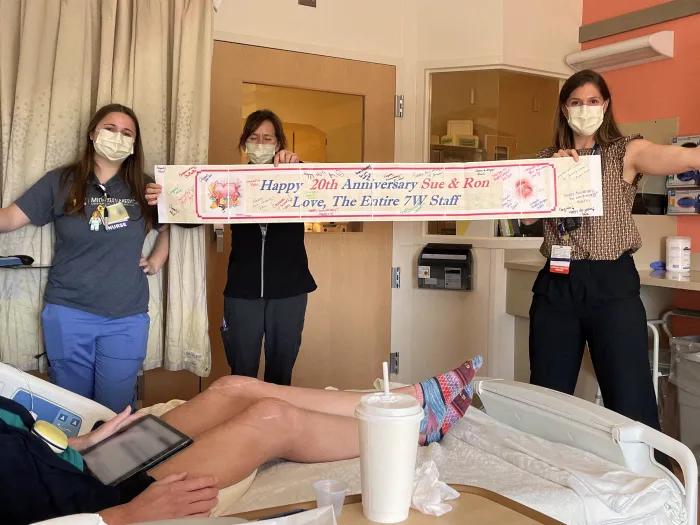
A scleroderma clinical trial brings a better quality of life for one participant
Managing scleroderma symptoms through a team approach
Stay Informed
Want top health & research news weekly? Sign up for Health Lab’s newsletters today!
Featured News & Stories
What’s the latest on 7-OH and kratom availability and addiction care?
A metabolic “switch” that could help reset scar-producing cells in scleroderma
Depression in OBGYN residents needs more attention, study suggests

Emergency room intervention pairs smartphone, telehealth counseling to reduce risky firearm behavior
Better prenatal care data could help prevent maternal complications, experts say