A scleroderma clinical trial brings a better quality of life for one participant
Participation allowed Susan Chrysogelos to feel more comfortable in her skin
5:00 AM
Author |
Susan Chrysogelos noticed pain in her knuckles in early 2022 that caused increasing difficulty in daily tasks.
At first, she figured the pain might be arthritis, but that didn’t explain another sensation she was having: the tightening of her skin, particularly on the backs of her hands and feet.
“The backs of my hands and feet almost looked tan,” recalled Chrysogelos.
“It was like I had been in the sun and got sunburned, but I was inside all winter. Between the painful, tight skin and the dark color, I had a feeling this was more than just arthritis.”
As a scientist by training and having worked for the internal medicine department at University of Michigan Health for more than 20 years, Chrysogelos realized her symptoms resembled those of scleroderma.
Scleroderma, also known as systemic sclerosis, is an autoimmune disorder characterized by the tightening of skin and damage to organ tissue making it difficult to move the body or organs to function.
She quickly made an appointment with her primary care physician and was referred to rheumatology at U-M Health in April 2022 where she received a scleroderma diagnosis that was noted as rapidly progressing.
Finding a better solution
For the next few years, Chrysogelos worked with her rheumatology care team to find solutions to manage her scleroderma and make her life more comfortable.
She tried various immunosuppressant medications and was frequently seen by Dinesh Khanna, M.D., a professor of rheumatology at U-M Health, to evaluate her skin and organ tissue for anything life threatening.
The scleroderma created some slight lung damage for Chrysogelos as well and she started having trouble eating due to tightening in her face.
“By August 2022 my skin score was in the 30s, meaning there was very little elasticity,” she said.
“Within a couple of years, I was barely sleeping because of the feel of the sheets on my skin; I could only wear clothing of certain materials and participating in many daily activities I enjoyed such as baking bread were not an option anymore,” she explained.
“Living in my skin was becoming increasingly uncomfortable.”
After stabilizing briefly in 2023, Chrysogelos’s scleroderma began to worsen again in early 2024.
Reviewing Chrysogelos’s case, Khanna felt that she was the perfect candidate for a new clinical trial at U-M Health: CAR-T clinical trials.
Having been previously used in cancer care, CAR-T is a deep immune reset that removes a person’s own T cells from the body that are then sent to a lab to be genetically modified to express chimeric antigen receptor, also known as CAR.
Once the CAR-T cells are expanded and administered to the patient, the CAR-T cells activate and attack B cells involved in scleroderma.
It’s a form of immunotherapy that activates one’s own immune system to fight cells causing autoimmune disease.
“Susan’s worsening skin disease, lung fibrosis and her body’s lack of response to standard immunomodulatory therapies made her the perfect candidate for the CAR-T trials beginning at U-M Health,” said Khanna.
For Chrysogelos to experience the best results, she needed to go through chemotherapy to assist her body in a full immune reset.
"Cellular therapy, primarily CAR T-cell therapy has been a revolutionary treatment in the field of blood cancers such and leukemia, lymphoma, and myeloma. We have treated hundreds of people with high-risk cancers over the past ten years, even curing cancers that were previously thought to be incurable," said Monalisa Ghosh, M.D., a University of Michigan Health clinical assistant professor of medical oncology and internal medicine who helped bring the CAR-T trial to U-M Health said.
"It is exciting to see this therapy expand to autoimmune diseases. These clinical trials are complicated and require multidisciplinary expertise and collaboration between the Bone Marrow Transplant/Cell Therapy Program and the Division of Rheumatology. This patient’s experience highlights what can happen when we collaborate with our colleagues across multiple specialties to bring novel therapies to our patients."
She had her own T cells taken in July 2024 and then received them as CAR-T cells in September 2024.
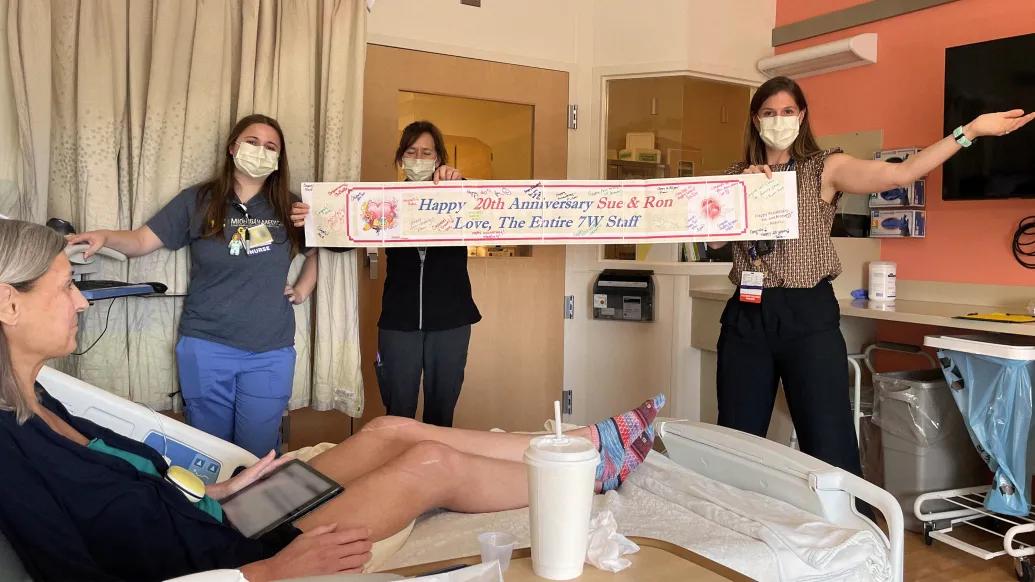
“When I got my cells back, the next day happened to be my husband and I’s 20th wedding anniversary. The staff presented us with a celebratory anniversary banner and a card celebrating my ‘new birthday’, or the day I got my cells back,” said Chrysogelos.
Chrysogelos was the first patient to experience the trial at U-M Health, meaning the guidelines she had for treatment after having her cells back were a bit different than they are now.
She stayed inpatient for seven days before being sent home.

After three days, Chrysogelos had an adverse event that resulted in her being readmitted to the hospital for several more days.
“Because of experiences like mine, patients are now kept for up to 14 days as inpatients after their cells are given back depending on their condition,” she said.
“While this is a long time to be in the hospital, I think it is the better choice as I wasn’t sure I felt ready to go home after the first seven days.”
Once home from her second stay, she needed to be monitored consistently to watch for any neurotoxicity and was thankful to have her husband and neighbors by her side to care for her and keep her company.
She experienced a couple of months of fatigue and some changes in her tastebuds.
Despite the side effects, though, she found that the treatment was worth it for her.
“It was not an easy treatment to go through; I don’t want to make it seem like it was a simple process that should be taken lightly. It’s a lot of hard work, but the pay off in the end is worth it,” said Chrysogelos.
Feeling better in her skin
Before Chrysogelos’s CAR-T treatment, her skin score had reached the 40s, and she was finding it increasingly difficult to move. In November 2024, after the CAR-T cells had been able to work within her body, her skin score dropped to the 30s and she was starting to move better.
With Thanksgiving around the corner, Chrysogelos decided she wanted to try helping with some cooking since she had regained some strength after receiving her cells back.
“I was able to assist in the kitchen and help prepare the meal with much less pain than I had experienced in the last couple of years," she said.
“For so long I hadn’t been able to get my hands to function or couldn’t stand on my feet long enough to bake like I wanted to. Despite some lingering fatigue from the treatment, it was amazing to be able to work on the things I enjoy again no matter how small.”
After about three months, Chrysogelos returned to work.
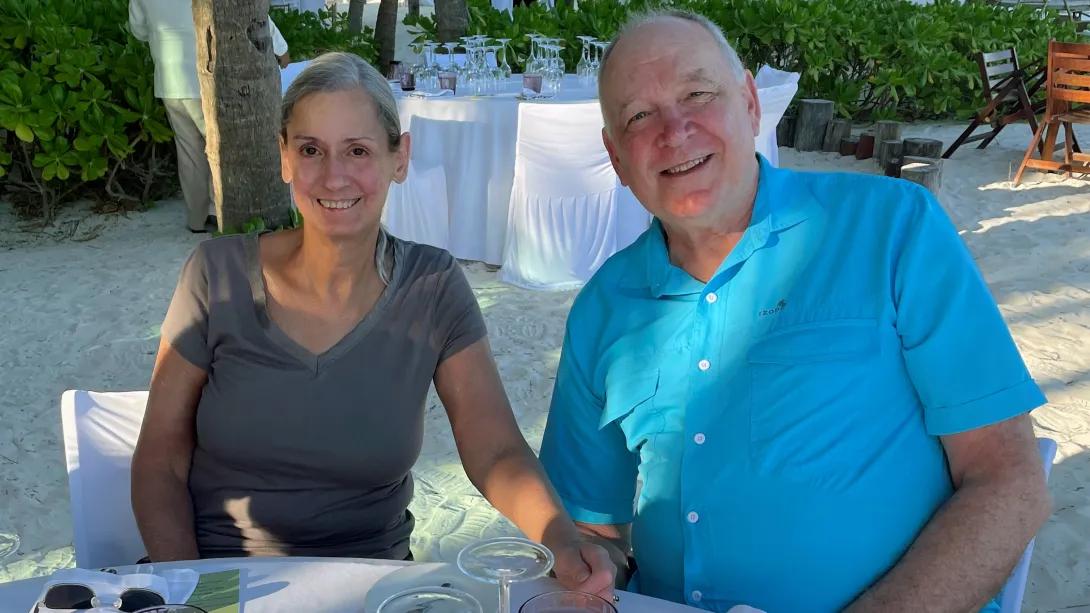
She can feel the fibrosis in her skin breaking down slowly causing an increase in elasticity in her skin. On a recent vacation with her husband, she was able to walk two to three miles a day, something that was a challenge before treatment.
“The most important thing to me is that my skin is not consistently irritating me anymore,” she said.
“No more itching, stinging or burning. I can sleep at night and move better. It’s life changing to not be so aware of every sensation touching my skin all the time.”
Khanna is equally as excited to see Chrysogelos doing well after her CAR-T treatment.
“Seeing her feel better in her own body is exciting and a testament to what this treatment can do,” said Khanna.
“Susan’s case shows that CAR-T is an exciting treatment for those with severe and/or progressive scleroderma who are not responding to standard care therapy.”
While Chrysogelos has found a positive experience in her CAR-T treatment, she wants to encourage others considering the treatment to use all their resources before making the decision.
“It’s not an easy road and it is important to remember that the worst times are only temporary,” said Chrysogelos.
“For me, getting my cells back was an incredible feeling and the treatment was worth it to get me to where I am today. However, this is a very personal decision.”
Learn more about scleroderma and clinical research, including trials at Michigan Medicine, through the University of Michigan Medical School Scleroderma Research Program.
Sign up for Health Lab newsletters today. Get medical tips from top experts and learn about new scientific discoveries every week
Sign up for the Health Lab Podcast. Add us wherever you listen to your favorite shows

Health Lab
Explore thousands of health news & research stories by visiting the Health Lab homepage for more.
Media Contact

Public Relations
Department of Communication at Michigan Medicine
In This Story
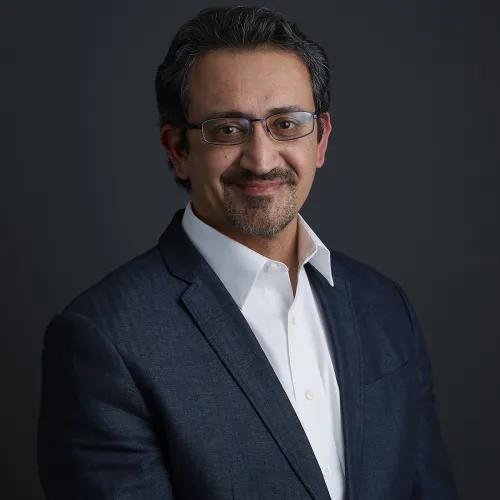
Dinesh Khanna, MD, MSc
Professor
Stay Informed
Want top health & research news weekly? Sign up for Health Lab’s newsletters today!
Featured News & Stories
A metabolic “switch” that could help reset scar-producing cells in scleroderma
Pain, psychological factors and physical function closely linked in people with systemic sclerosis
Michigan Alzheimer's Disease Research Center receives $22M to advance efforts statewide

The Care Ecosystem: Supporting People Living with Dementia and Their Families
Rheumatologist finds contentment and community through family farm