Rise seen in use of antibiotics for conditions they can’t treat – including COVID-19
Five year trend study shows rebound in inappropriate use after an early pandemic dip, and a need to tackle overuse in all patients during viral illness outbreaks
12:45 AM
Author |
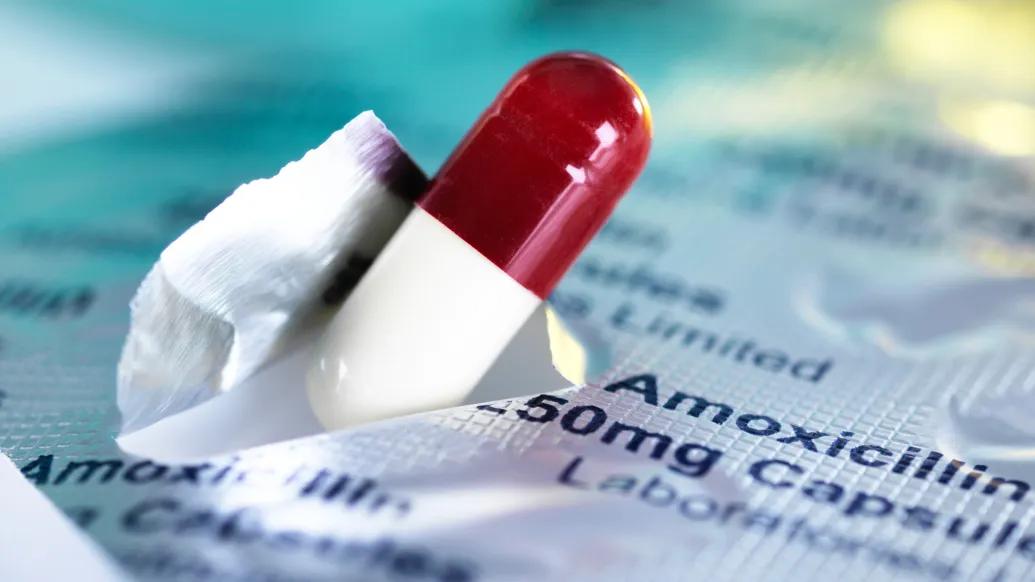
America is going the wrong way when it comes to prescribing antibiotics, with 1 in 4 prescriptions going to patients who have conditions that the drugs won’t touch, a new study finds.
In fact, the percentage of all antibiotic prescriptions given to treat conditions they’re useless against was even higher in December 2021 than it was before the pandemic began, the study shows.
And that means more chances for disease causing bacteria to evolve in ways that could make antibiotics useless for the patients who truly need them.
The percentage of people getting antibiotics for inappropriate reasons actually decreased a bit in the early months of the pandemic, when far fewer people sought medical care for infectious or non-infectious reasons, the new research shows. But it got back on the wrong track soon after.
The study, published in the journal Clinical Infectious Diseases by a team from the University of Michigan, Northwestern University and Boston Medical Center, is based on data from more than 37.5 million children and adults covered by private insurance or Medicare Advantage plans from 2017 to 2021. Patients received antibiotic prescriptions from both in person and telehealth visits.
The team looked back at any new diagnosis given to each patient on the day they received a prescribed antibiotic, or in the three days prior to getting the prescription. If none of these diagnoses justified the use of antibiotics, they classified the prescription as inappropriate.
“Our study shows that the decline in exposure to inappropriate antibiotic prescriptions during the pandemic was only temporary,” says lead author Kao-Ping Chua, M.D., Ph.D., a pediatrician and health care researcher in the Department of Pediatrics at the U-M Medical School.
“Our findings highlight the continued importance of quality improvement initiatives focused on preventing unnecessary antibiotic prescribing and antimicrobial resistance, which kills 48,000 Americans per year.”
Chua is a member of the Susan B. Meister Child Health Evaluation and Research center, and the U-M Institute for Healthcare Policy and Innovation, and has a joint appointment in the U-M School of Public Health.
Our findings highlight the continued importance of quality improvement initiatives focused on preventing unnecessary antibiotic prescribing and antimicrobial resistance."
--Kao-Ping Chua, M.D., Ph.D.
Key findings:
- In all, 60.6 million antibiotic prescriptions were dispensed to patients nationwide in the five years of the study period from January 2017 to December 2021. The share of these prescriptions that went to people with conditions for which antibiotics are inappropriate rose from 25.5% to 27.1% of all antibiotics dispensed during this period.
- The proportion of all patients who got antibiotics for inappropriate reasons was 1.7% in December 2019. It dipped to 0.9% of all patients in April 2020 – largely because fewer people got antibiotics in general – and returned to 1.7% of all patients by December 2021.
- Some groups of people were more likely to receive inappropriate antibiotics. At the end of 2021, 30% of antibiotics for older adults with Medicare Advantage coverage were inappropriate, compared with 26% of antibiotics for adults with private health insurance and 17% of antibiotics for children with private insurance.
- Among the diagnoses listed for people who received antibiotics for inappropriate reasons, “contact with and suspected exposure to COVID-19” was one of the top two most common reasons from March 2020 through December 2021. There is no evidence that taking antibiotics after an exposure can reduce risk of developing COVID-19.
- Of all the inappropriately prescribed antibiotics dispensed in the last half of 2021, 15% were for a COVID-19 infection. And COVID-19 infections accounted for 2% of all antibiotic prescribing – regardless of appropriateness -- from March 2020 through December 2021.
- Telehealth appointments accounted for 9% of all inappropriate antibiotic prescriptions in the latter half of 2021, down somewhat from 2020. There were almost no telehealth-based antibiotic prescriptions before March 2020.
- For 28% to 32% of the antibiotic prescriptions filled by patients in the study period, there was no diagnosis available to judge appropriateness, potentially because the patient received the prescription at an appointment that didn’t get billed to their insurance, or it was a refill of a past prescription. The percentage was especially high in the first months of the pandemic.
45% of all the patients in the study received antibiotics at least once in the five years, and 13% received them four or more times.
SEE ALSO: Nearly a Quarter of Antibiotic Prescriptions May Be Unnecessary
Additional authors: In addition to Chua, the study’s authors are Michael Fischer, M.D., M.S. of the Boston Medical Center, statistician Moshiur Rahman, Ph.D. of CHEAR, and Jeffrey Linder, M.D., M.P.H. of Northwestern University.
Citation: Changes in the Appropriateness of U.S. Outpatient Antibiotic Prescribing after the COVID-19 Outbreak: An Interrupted Time Series Analysis of 2016-2021 Data, Clinical Infectious Diseases, DOI:10.1093/cid/ciae135
Sign up for Health Lab newsletters today. Get medical tips from top experts and learn about new scientific discoveries every week by subscribing to Health Lab’s two newsletters, Health & Wellness and Research & Innovation.
Sign up for the Health Lab Podcast: Add us on Spotify, Apple Podcasts or wherever you get you listen to your favorite shows.

Health Lab
Explore thousands of health news & research stories by visiting the Health Lab homepage for more.
Media Contact

Public Relations
Department of Communication at Michigan Medicine
Related
Antibiotic prescriptions for kids plummet during pandemic
Stay Informed
Want top health & research news weekly? Sign up for Health Lab’s newsletters today!
Featured News & Stories

Better prenatal care data could help prevent maternal complications, experts say
Many hospitals still don’t do enough to prevent UTIs from catheters

15 years of data will help uncover how flu spreads—and how to reduce its impact

Digital alerts support timely treatment decisions of critically ill cardiac patients
What’s changing in Medicaid and what can you do?